The Great Divergence: Urban Core vs. Suburban Sprawl
As of August 2026, the Sacramento real estate market has reached a definitive crossroads. According to recent market observations, a sharp divergence has emerged between the urban core and the outer suburbs. While the exurbs of Lincoln and Rocklin are grappling with increased inventory and rate-sensitive buyers, East Sacramento has solidified its position as the region’s premier high-value hedge.
This trend is driven by a combination of demographic shifts and a chronic lack of new single-family construction in established neighborhoods. Millennials and remote workers, many of whom are transplants from the Bay Area and Los Angeles, are increasingly prioritizing walkability and historic character over the larger, newer footprints found in the suburbs.
Community Features and the 'Fabulous Forties'
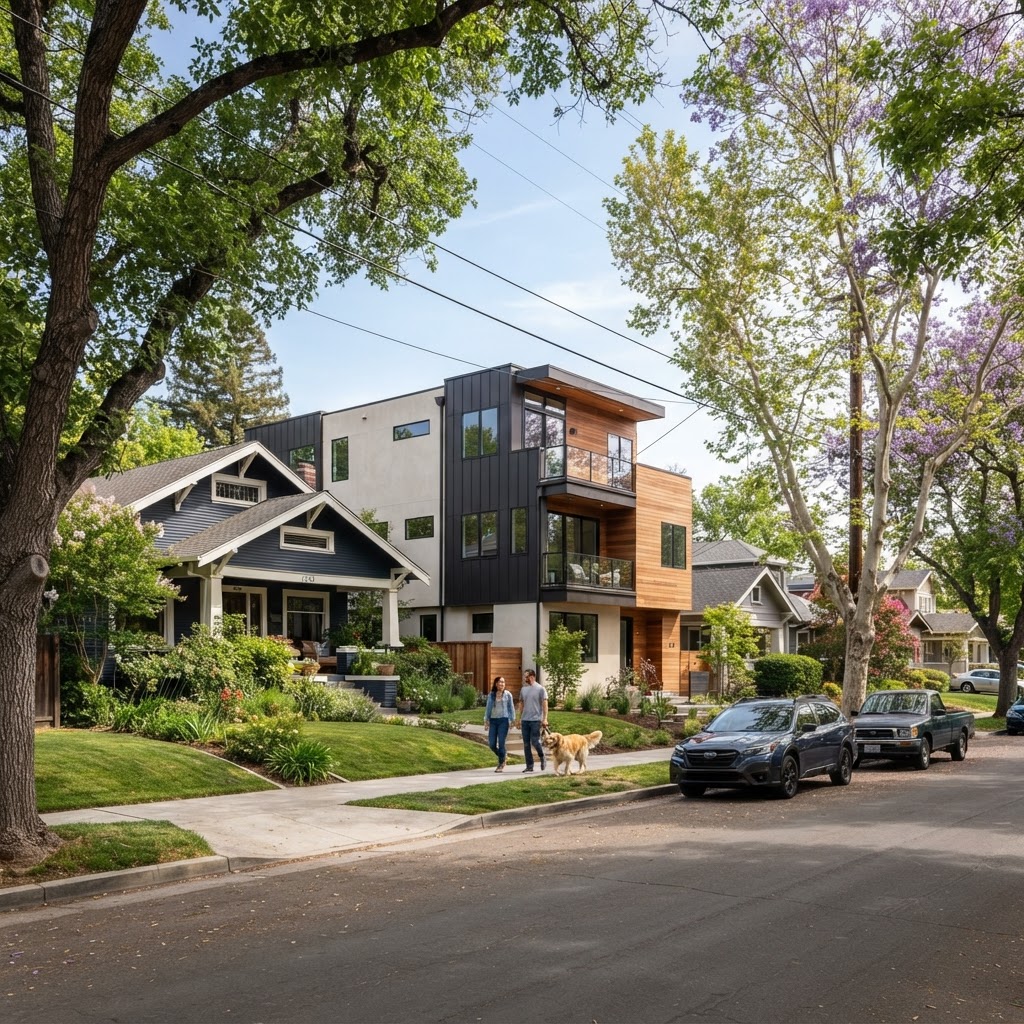
East Sacramento remains defined by its iconic tree-lined streets and the legendary "Fabulous Forties"—a section of the neighborhood known for its grand, historic estates and high holiday spirit. The area serves as a cultural anchor for the city, featuring McKinley Park, which offers residents expansive green spaces, a rose garden, and a library. The neighborhood’s proximity to the American River provides miles of bike trails, connecting the urban center to the broader regional park system.
Amenities and Lifestyle
The appeal of East Sacramento extends into the adjacent Midtown grid, where the Midtown Farmers Market and the R Street Corridor provide a creative culinary and nightlife hotbed. Residents benefit from a "farm-to-fork" lifestyle that is baked into the local economy, with artisanal coffee shops, breweries, and art studios all within walking or biking distance.
Market Data and Economic Indicators
The data for mid-2026 highlights the resilience of this submarket:
- Market Velocity: Homes in the urban core are selling in an average of 41 days, significantly faster than the national average of 55 days.
- Pricing Stability: While some California markets have seen volatility, the median sale price in the Midtown/East Sacramento area has hovered around $660,000, showing a stable long-term trajectory despite broader economic shifts.
- Affordability Constraints: The California Legislative Analyst’s Office reports that only 22% of California households qualify for a mid-tier home mortgage in 2026. In this environment, East Sacramento’s relative affordability compared to the Bay Area continues to attract high-income earners seeking value.
Transportation and Connectivity
East Sacramento is one of the most bike-friendly enclaves in the Central Valley. The Sacramento Bicycle Kitchen and a robust network of dedicated lanes allow for a car-lite lifestyle that is rare in other parts of the region. For commuters, the neighborhood offers quick access to the Business 80 loop and Highway 50, though the local trend is moving toward "urban infill"—developing underutilized land within the city to reduce vehicle miles traveled.
Practical Takeaways
For Buyers
Expect competition. The urban core is experiencing higher sale-to-list ratios than the suburbs. Buyers should focus on properties with "long-term value" features, such as proximity to McKinley Park or updated historic systems, which command a premium in a low-inventory environment.
For Sellers
You hold the leverage. Unlike sellers in Elk Grove or Natomas, who face competition from new construction, East Sacramento sellers benefit from a finite supply of historic homes. Highlighting energy-efficient upgrades in these older structures is currently a major selling point for 2026 buyers.
For Investors
The 2–4 unit multifamily space remains the most viable investment thesis in Sacramento. With strong rental demand from the UC Davis Med Center and state government workforce, small-to-mid-sized investors can find better yields here than in the saturated coastal markets.