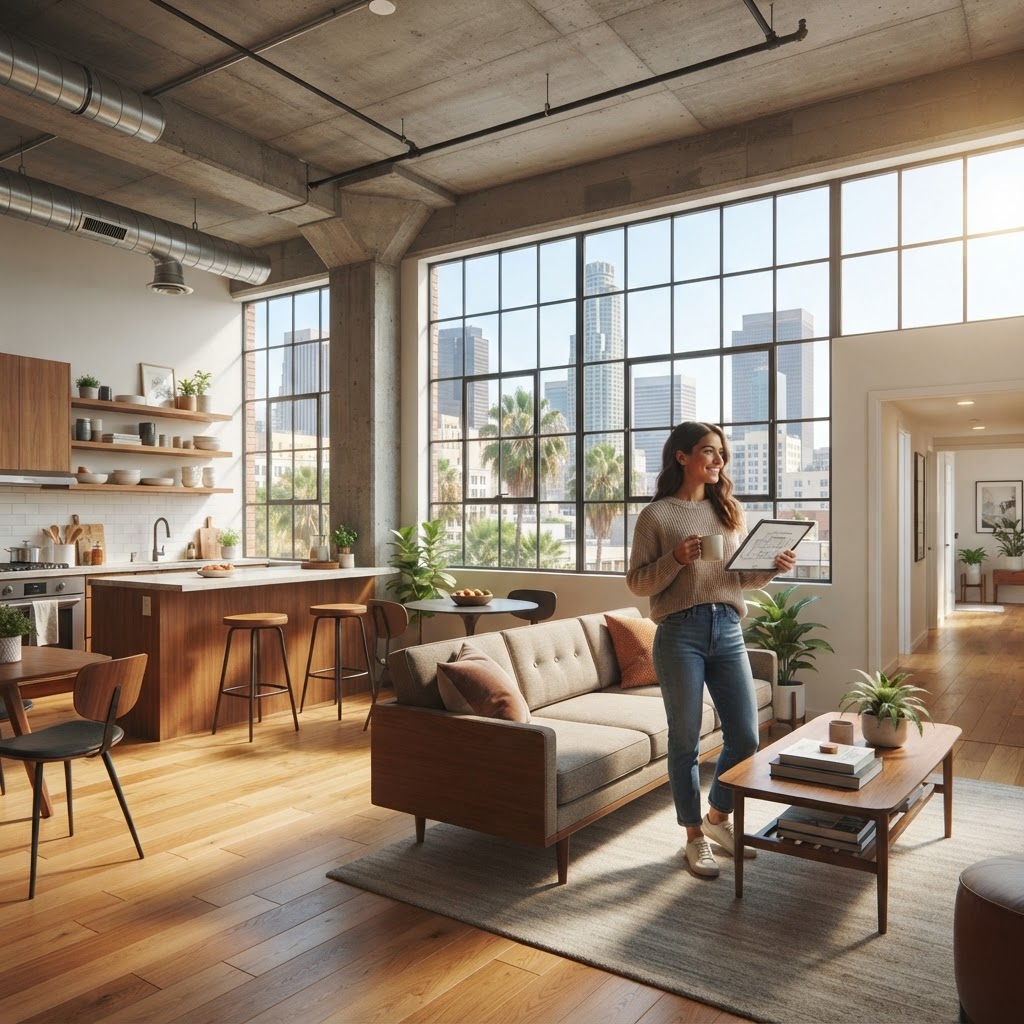
The Great Urban Reconfiguration
As of late August 2026, the California real estate landscape is undergoing a structural transformation that extends beyond traditional residential sales. While the statewide median price for existing single-family homes reached $930,260 earlier this summer—a 3.1% increase over the previous year according to the California Association of Realtors—the most significant movement is occurring in the state’s urban cores. A combination of record-high commercial vacancies and new legislative support has turned 'adaptive reuse' from a niche architectural trend into a primary driver of new housing inventory.
The Vacancy Catalyst
The urgency for this shift is driven by staggering vacancy rates in California’s largest employment hubs. According to data from CBRE, San Francisco ended the most recent quarter with a 32.8% office vacancy rate, while Los Angeles stood at 25% [Multifamily Dive]. These figures represent a historic demand shock that has left millions of square feet of prime real estate underutilized. In response, developers are increasingly pivoting toward conversions. For instance, recent projects like the $120 million conversion of commercial buildings into 286 apartments highlight the scale of capital now flowing into this sector [Morningstar].
Inventory Constraints and Market Stabilization
Despite the influx of conversion projects, the broader residential market remains tight. Redfin reports that statewide inventory was down 5.6% year-over-year in May 2026, with only 108,753 homes for sale [Redfin]. This scarcity has prevented a significant price correction, even as high interest rates persist. However, commercial real estate is showing signs of 'selective momentum,' particularly in tech-heavy submarkets like San Diego’s Sorrento Mesa and Eastgate, where demand for specialized life science and tech space remains resilient despite broader office struggles [Offices.net].
Practical Takeaways for Stakeholders
- For Investors: The 'workforce housing' segment is seeing increased activity through public-private partnerships. Recent deals, such as the joint acquisition of the Golden Sands Apartments by Aspen Real Estate and the Housing Authority of the County of San Bernardino, demonstrate a growing model for acquiring assets at roughly $175,000 per unit to maintain affordability [CoStar].
- For Buyers: Urban centers like San Francisco and Los Angeles may soon see a 'shadow inventory' of converted luxury and mid-tier apartments hitting the market, potentially easing the competition for traditional condos.
- For Developers: The 2026 California Real Estate Law Book now includes updated statutes that streamline the conversion process, making it critical to review new regulations regarding building codes and mixed-use zoning [California DRE].
Looking Ahead
As we move into the final quarter of 2026, the success of these office-to-residential conversions will be a bellwether for the state’s economic recovery. While the residential market remains 'frozen' in terms of turnover, the repurposing of the commercial skyline offers a rare path toward increasing density without the traditional hurdles of greenfield development.


