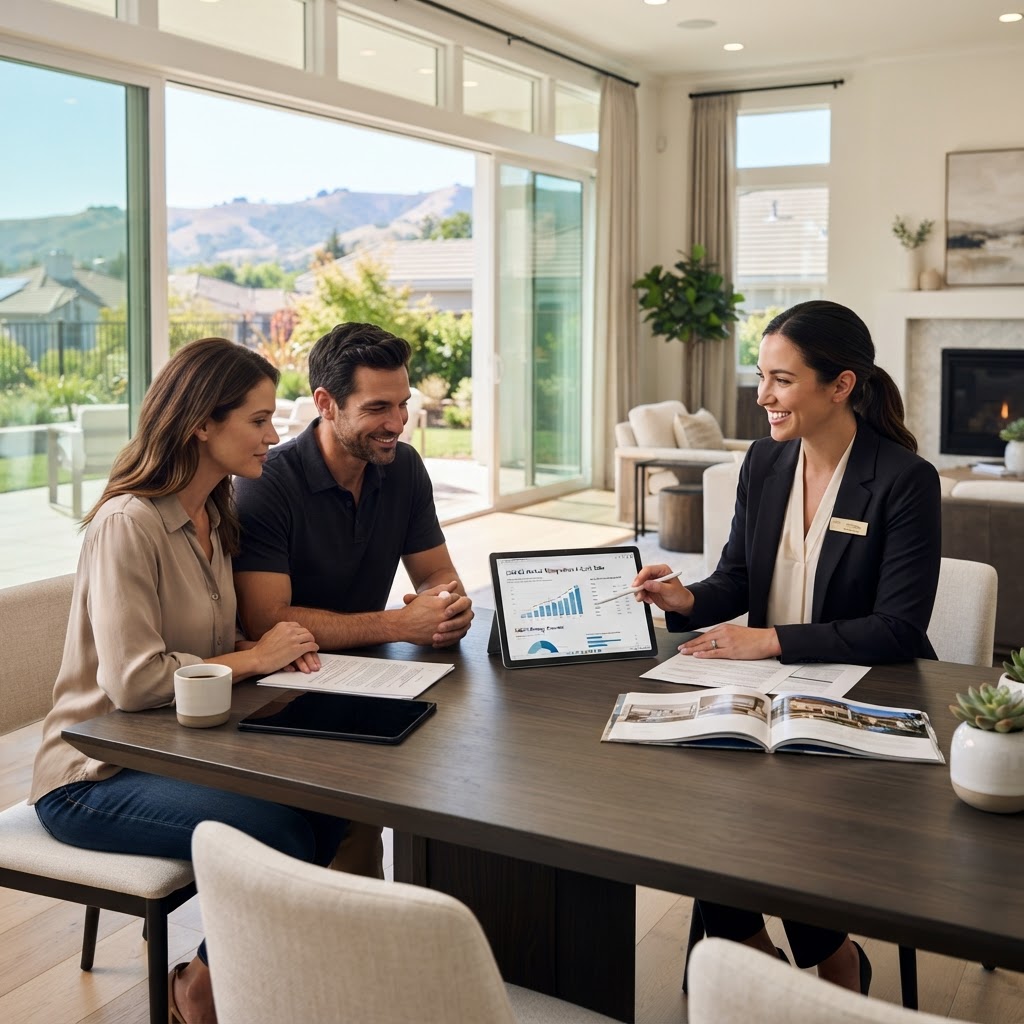
As of late August 2026, the California real estate market presents a unique paradox. While the statewide median home price for a single-family home reached a staggering $904,640 in June 2026, according to the California Association of Realtors, the environment is no longer the seller-dominated frenzy of years past. Recent data indicates that only 26% of major metropolitan areas remain firm seller’s markets, with buyers gaining significant leverage in 41 of the 50 largest U.S. markets, including several California hubs (Churchill Mortgage).
1. The Appraisal Defense: Pricing for the 2026 Reality
In a market where 20% of active listings are seeing price cuts, the most critical strategy is not just setting a price, but defending it. Sellers must prepare an 'Appraisal Package' for both the buyer’s lender and the buyer themselves. With inventory levels in California’s largest metros sitting approximately 4.7% below 2025 levels (firsttuesday Journal), scarcity is your greatest ally, but it must be backed by data.
- Practical Takeaway: Work with your agent—91% of successful sellers now use one (NAR)—to create a dossier of upgrades with specific ROI. Focus on high-impact areas like the kitchen and master bedroom, which 46% and 43% of buyers respectively cite as the most important rooms to see staged (The Zebra).
2. Maximizing Perceived Value Through 'High-ROI' Aesthetics
Preparation in 2026 requires a surgical approach to home improvements. Data shows that professional landscaping can increase a home’s perceived value by 5% to 11% (Opendoor). In California’s climate, this means focusing on drought-tolerant, high-aesthetic curb appeal that suggests low maintenance costs to the buyer.
Furthermore, professional staging is no longer optional for premium valuations. Staged homes in the current market are 40% more likely to convert an online viewer into a physical walkthrough, and 46% of staged homes sell for at least 10% more than non-staged counterparts (The Zebra). In a state where the median price is nearly $1 million, that 10% difference represents nearly $90,000 in equity.
3. Navigating the 'Recording Era' of Showings
A new tactical consideration for California sellers in 2026 is the prevalence of smart home technology. More than 50% of home sellers now use active recording devices during showings, with 45% admitting these recordings influenced their negotiations (Churchill Mortgage). While this provides sellers with insights into buyer objections, it requires strict adherence to California’s privacy laws regarding oral communications.
- Practical Takeaway: If using cameras or audio devices, ensure your agent provides clear signage or disclosure. Use the feedback gathered to address specific 'valuation hurdles' mentioned by buyers in real-time, such as concerns over roof age or neighborhood noise, before they become deal-breakers.
4. The Inventory Advantage Strategy
Despite rising buyer caution, California’s total residential inventory remains constrained. With over 7.5 million properties in the state holding more than 50% equity (Property Focus), many sellers are in a position of strength. The goal is to position your home as a 'turn-key' solution. In 2026, buyers are increasingly wary of 'fixer-uppers' due to high labor costs; therefore, addressing deferred maintenance—such as a roof, which typically sees a 68% cost recovery (Opendoor)—is essential to prevent buyers from demanding deep discounts during the inspection period.