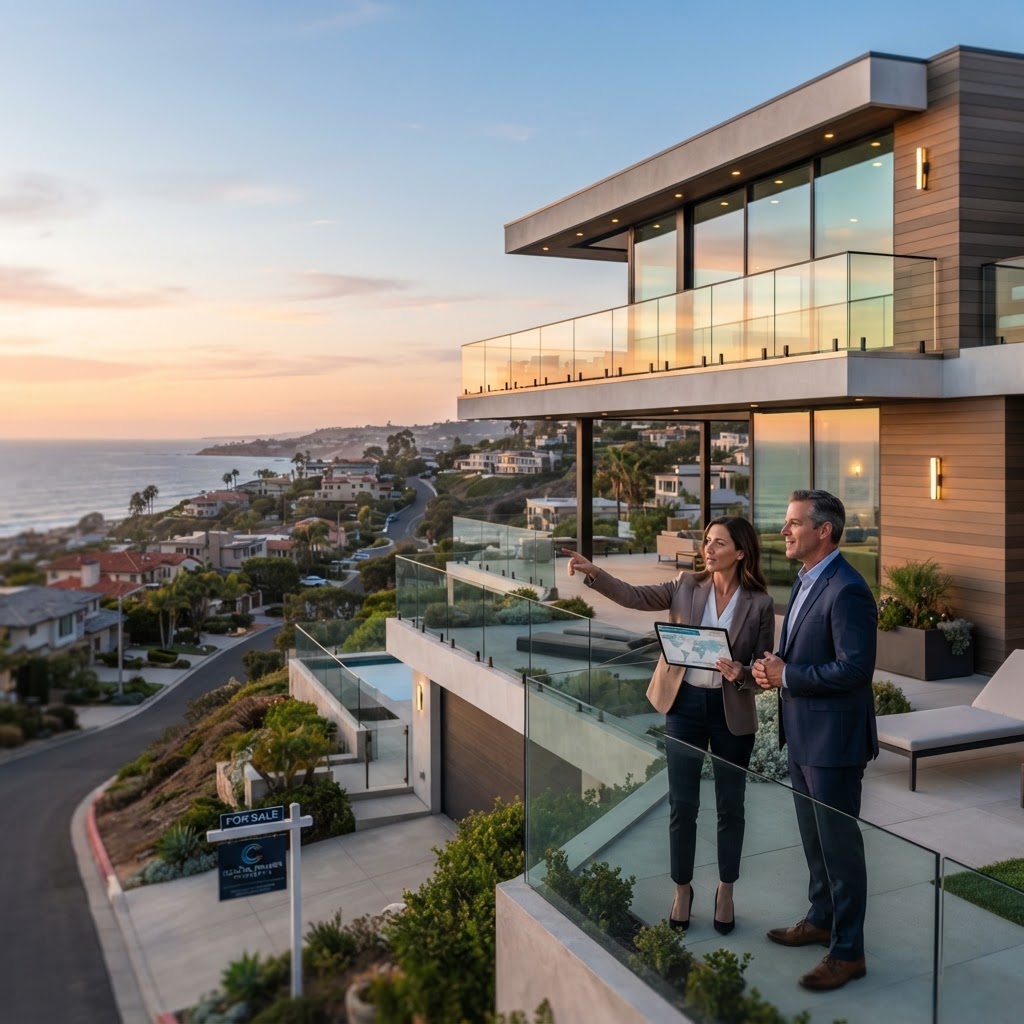
The Statistical Anomaly of August 2026
As of mid-August 2026, the California real estate market is presenting a paradox that is confounding casual observers but providing a roadmap for sophisticated investors. According to recent Realtor.com market data, the statewide median listing price has dipped to $750,000, a 3.23% decrease year-over-year. However, the median sold price has simultaneously climbed to $785,000, representing a 1.95% annual increase. This 'Bid-Ask Divergence' signals a market where buyers are aggressively rejecting overpriced or 'fixer-upper' inventory while competing fiercely for high-quality, move-in-ready assets.
The 'Turn-Key' Factor and Buyer Fatigue
The divergence between listing and sold prices suggests a flight to quality. In a high-interest-rate environment—with July 2026 mortgage rates remaining elevated—buyers have lost the appetite for post-purchase renovations. The 'Quality Premium' is now a dominant market force; homes that require no immediate capital expenditure are selling above their asking prices, while 'as-is' listings languish, dragging down the median listing statistics. This trend is further evidenced by the Property Focus AI™ report, which notes that while 309,493 residential properties sold in the last year, the median AVM (Automated Valuation Model) of $779,000 remains significantly higher than the actual sold median of $710,000 for single-family homes in certain sub-sectors, highlighting a disconnect in valuation expectations.
Yield Compression and the AB 1482 Ceiling
For residential investors, the 2026 landscape is defined by the intersection of inflation and regulation. North Coast Financial analysis points out that California’s statewide rent cap under AB 1482 is currently hitting its 10% maximum (5% base plus regional CPI). While this allows for significant nominal rent growth, it is often failing to keep pace with the rising costs of insurance and maintenance. This has led to a 'Yield Compression' in the multifamily sector, where investors are pivoting away from value-add plays—which are hampered by high construction costs—toward stabilized assets with predictable cash flows. The Legislative Analyst’s Office confirms that the rent-versus-own gap remains at a staggering 62%, ensuring that rental demand remains robust even as ownership becomes more exclusive.
Institutional Stability in a 'Cold' Market
Despite some reports labeling California as a 'cold' market due to lower transaction volumes, institutional confidence remains high. The California Public Employees’ Retirement System (CalPERS) recently committed $3 billion to real estate and infrastructure, signaling a long-term bet on the state's structural resilience. Furthermore, CBRE predicts a 16% increase in commercial real estate investment activity statewide for 2026, reaching $562 billion. This institutional floor prevents a broader price collapse, even as individual sellers of sub-par properties are forced to make concessions.
Practical Takeaways for the 2026 Landscape
- For Sellers: Do not price your home based on 'aspirational' active listings in your neighborhood. Look exclusively at 'sold' data from the last 60 days. To capture the Quality Premium, consider minor cosmetic upgrades (paint, flooring, landscaping) before listing, as 2026 buyers are heavily discounting homes that look 'tired.'
- For Buyers: The best value is currently found in the 'listing gap'—properties that have been on the market for more than 30 days due to poor staging or minor deferred maintenance. While 'turn-key' homes are seeing multiple offers, these 'B-grade' properties are where price negotiations are most successful.
- For Investors: Focus on the 'Infrastructure-Led Appreciation' zones. With institutional capital shifting toward infrastructure, residential assets located near new transit hubs or green energy projects are likely to see higher-than-average appreciation, independent of the broader state trends.