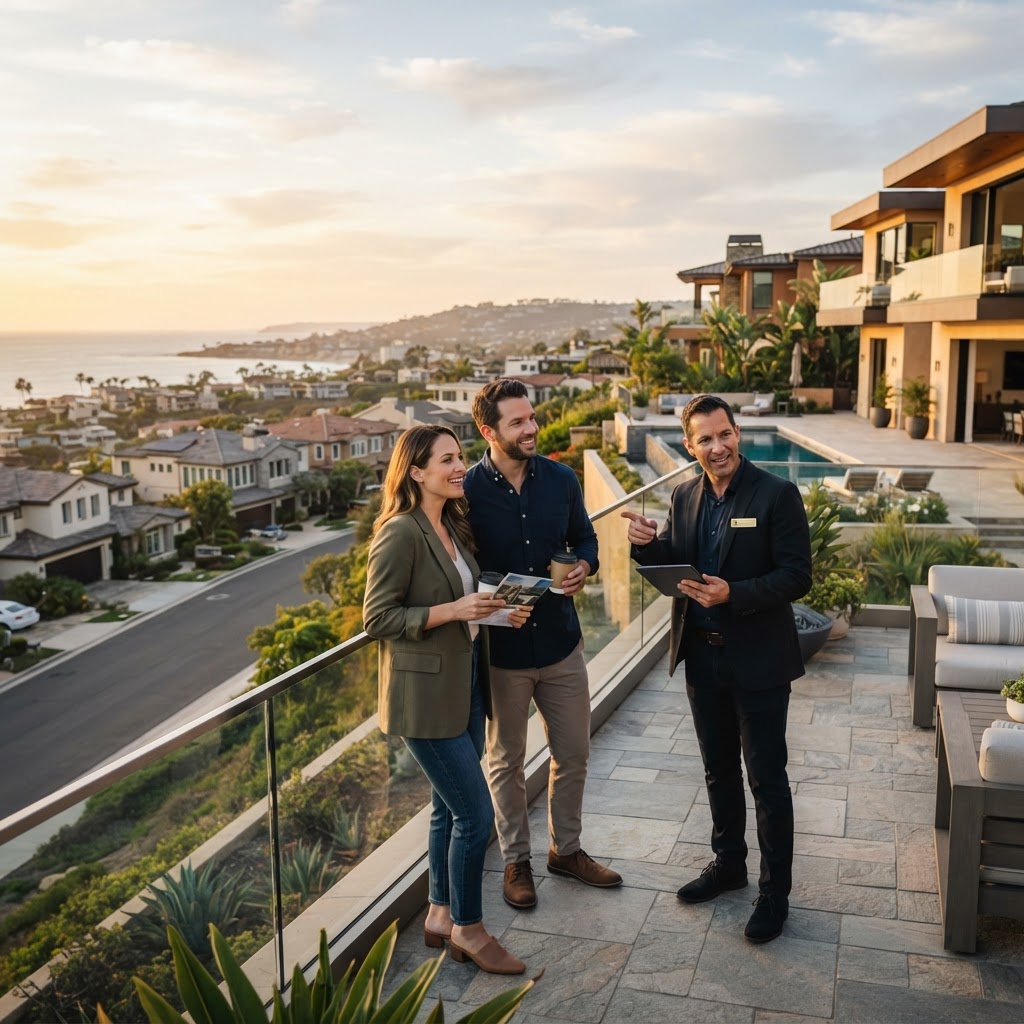
The State of the Golden State Market: August 2026
As of August 12, 2026, the California real estate landscape is defined by a profound 'inventory lock-in.' According to the California Legislative Analyst’s Office, approximately 76% of existing homeowners currently hold mortgage rates below 5%. This has created a supply bottleneck, as the financial cost for these owners to trade up—often resulting in a 13% increase in monthly payments for a similarly priced home—keeps them from listing. For the 2026 buyer, success requires navigating high median prices, which have reached a forecast $905,000, and a significant gap between the cost of renting and owning.
The Rent-vs-Buy Financial Gap
Data from mid-2026 reveals a stark divide in monthly housing costs. The estimated rent for a typical two-bedroom home in California is approximately $2,700, while the monthly mortgage payment for a similar property (including principal, interest, taxes, and insurance) has climbed to roughly $4,600. This 66% premium for ownership means that buyers must view their purchase through a long-term lens. The California Department of Financial Protection and Innovation (DFPI) recommends a minimum five-year ownership horizon to offset these initial costs and potential market fluctuations.
Budgeting for the 'Hidden' 5%
While much focus is placed on the down payment, California buyers in 2026 must account for substantial closing costs. These typically range from 1.5% to 5% of the purchase price. On a median-priced home of $905,000, buyers should prepare for out-of-pocket closing expenses between $13,575 and $45,250. Common components include:
- Loan Origination Fees: Generally 1% of the loan amount.
- Escrow and Title Fees: Varying by county but essential for securing clear ownership.
- Prepaid Items: Including property taxes and homeowners insurance, the latter of which remains a critical hurdle in high-risk zones.
The Rise of Alternative Inventory: Modular and ADUs
With traditional inventory constrained, many buyers are pivoting toward modular homes and Accessory Dwelling Units (ADUs). Modular construction in California has gained traction in 2026 due to its speed and relative affordability compared to site-built homes. Models like the Zion 1200 or Santa Cruz 1780 offer luxury finishes at a lower price-per-square-foot, providing a viable entry point into high-demand coastal and suburban markets. Additionally, buyers are increasingly seeking properties with 'ADU potential' to generate rental income, helping to bridge the $1,900 monthly gap between renting and owning.
Practical Takeaways for 2026 Buyers
- Verify the 'Lock-In' Impact: Work with an agent to identify 'motivated' inventory—such as corporate relocations or estate sales—that is not suppressed by the 5% rate lock-in.
- Prepare for Competition: As of May 2026, 36.3% of California homes still sold above list price. Ensure your pre-approval is current and your offer includes a clear strategy for the 17-day performance standard.
- Analyze the Total Cost of Ownership: Use a 30-year fixed rate (currently averaging near 6.92%) to calculate your 'true' monthly payment, ensuring it does not exceed 35-40% of your gross income.
- Explore Modular Options: If traditional inventory is unavailable in your target zip code, research California-certified modular manufacturers who understand state-specific green mandates and building codes.


