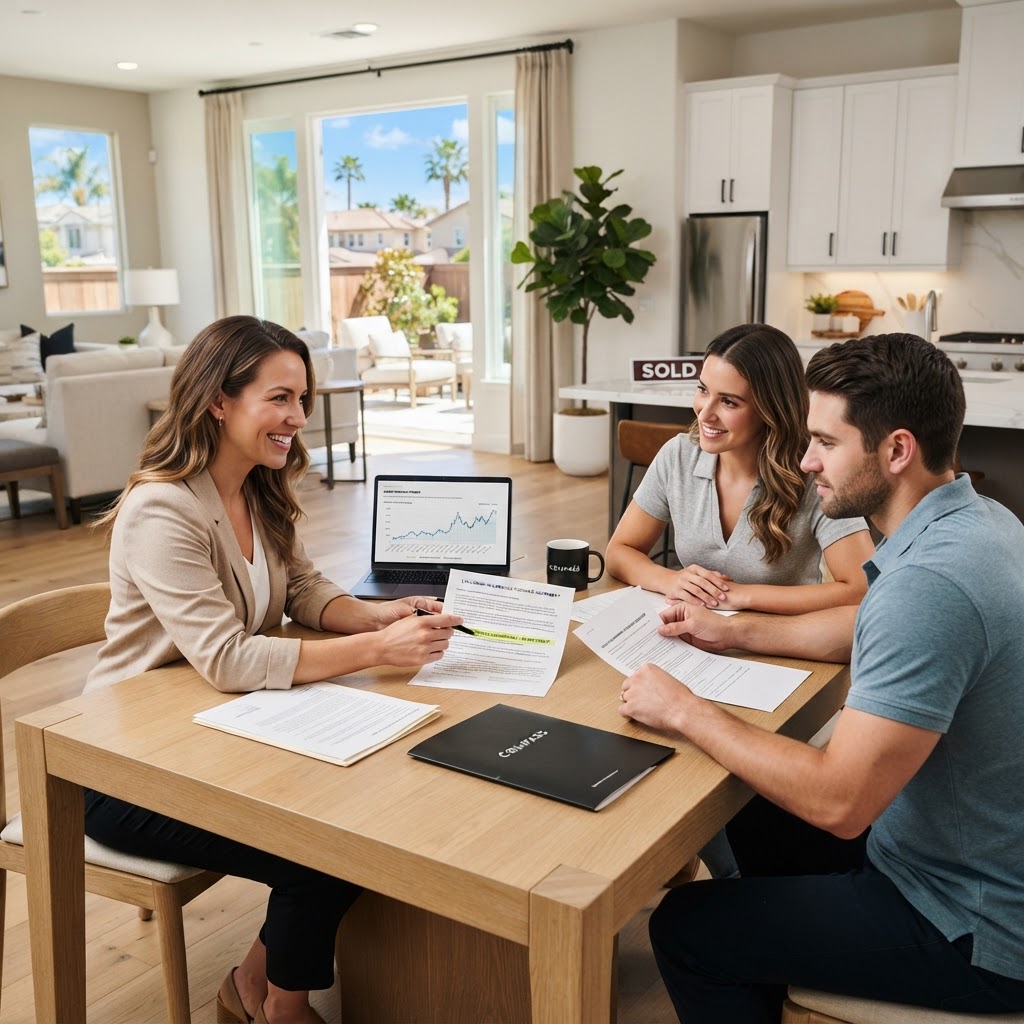
The Authentic Aesthetic: A 2026 Guide to Selling Your California Home
As of August 2026, the California real estate market is undergoing a significant "reality check." Following the sharpest year-over-year price drop since 2017 in May 2026, sellers are finding that success no longer comes from simply listing a property, but from a sophisticated blend of emotional staging and rigorous financial planning. With the statewide median home value hovering around $775,549, according to Zillow, today’s sellers must work harder to capture a buyer pool that is increasingly selective.
Preparation: Embracing the "Warmth" Trend
The sterile, "ultra-modern" look of the early 2020s has officially been replaced. In 2026, California buyers are seeking "Authentic Aesthetics"—spaces that feel intentional, warm, and lived-in. According to Featherington Interiors, the trend has shifted toward natural textures, layered textiles, and soft white walls paired with warm wood tones. This isn't just a stylistic choice; it is a financial one. Data from The Zebra indicates that 31% of buyers increase their offers on staged homes, and effective staging can help a property sell 6% to 10% faster.
Strategic Pricing in the 19-Day Window
Speed is a critical metric in the current market. Recent data shows that California homes are going to pending in an average of just 19 days. However, this window is only accessible to those who price accurately from day one. With Realtor.com reporting a sharp pivot toward realistic pricing, over-leveraging your initial ask can lead to your property stagnating. In a market where 42% of sales are currently closing under list price, a "test the market" pricing strategy can be a costly mistake.
Navigating California’s Unique Financial Hurdles
Selling in the Golden State requires navigating specific fiscal requirements that can catch unprepared sellers off guard. Beyond the standard commissions, California sellers should budget for approximately 2.71% of the sale price in closing costs, according to Clever Real Estate. Key CA-specific factors include:
- FTB Withholding: California law generally requires buyers to withhold 3.33% of the total sale price and remit it to the Franchise Tax Board (FTB) as a prepayment of state income tax, unless an exemption applies.
- Capital Gains: While federal law offers exclusions for primary residences, California taxes capital gains as ordinary income, making it vital to calculate your potential liability early.
- 1031 Exchange Nuances: For investment properties, the 1031 exchange remains a vital tool for deferring taxes, but strict timelines must be met to avoid triggering immediate tax events.
Practical Takeaways for the 2026 Seller
- Prioritize "Warmth" over "Modern": Swap cold, grey palettes for natural wood accents and soft textures to align with 2026 buyer preferences.
- Audit Your Insurability: Before listing, ensure your home meets current fire-hardening standards, as buyer financing is increasingly tied to the ability to secure affordable homeowners insurance.
- Calculate Your Net Early: Work with your agent to create a net sheet that accounts for the 3.33% FTB withholding and local transfer taxes, which vary significantly between Northern and Southern California.
- Target the 19-Day Mark: If you haven't received serious interest within the first three weeks, the market is telling you your price is too high for the current 2026 climate.