The Shift to a Balanced California Landscape
As of August 2026, the California real estate market has transitioned from the frantic pace of previous years into a 'healthy' balanced phase. According to recent data, the state’s median home price has reached approximately $854,000, representing a modest year-over-year growth of just 0.6% (Houzeo, 2026). For sellers, this stability marks a significant shift: the era of buyers waiving all protections to 'win' a home is largely over. Success in today’s market requires a sophisticated approach to transactional contingencies and appraisal management.
Managing the Appraisal Gap in a Flat-Growth Market
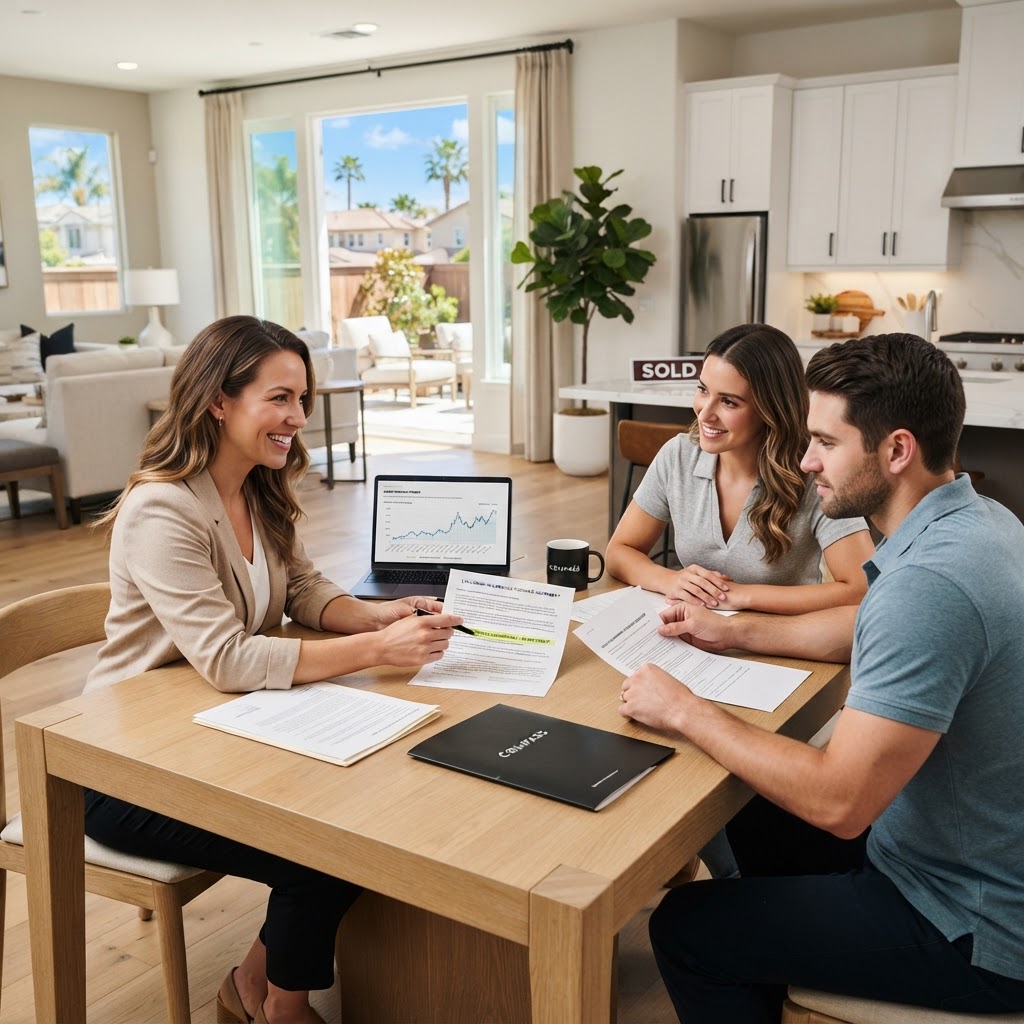
In a market where prices are stabilizing rather than skyrocketing, appraisal gaps have become a primary hurdle to closing. When a buyer’s lender appraises a home for less than the agreed-upon purchase price, the deal can stall. In the 2026 market, savvy sellers are using Appraisal Contingency Caps. Rather than asking a buyer to waive the appraisal entirely—which many are now unwilling to do—sellers are negotiating specific 'gap coverage' amounts (e.g., the buyer agrees to cover up to $20,000 of any shortfall) to ensure the deal remains viable even if the valuation comes in low.
The Return of the Inspection Credit
While 'as-is' sales were the standard in 2021-2024, 2026 buyers are increasingly utilizing their inspection periods to negotiate repairs or credits. Data from Redfin suggests that buyers are becoming 'pickier' as inventory levels rise (Redfin, 2026). To maintain leverage, sellers should consider a Pre-Listing Inspection Strategy. By identifying and addressing major issues—specifically roofs and kitchens, which 79% of agents cite as the highest value-add features—sellers can limit the buyer's ability to demand large price reductions during the escrow period.
Navigating California’s Withholding and Transfer Taxes
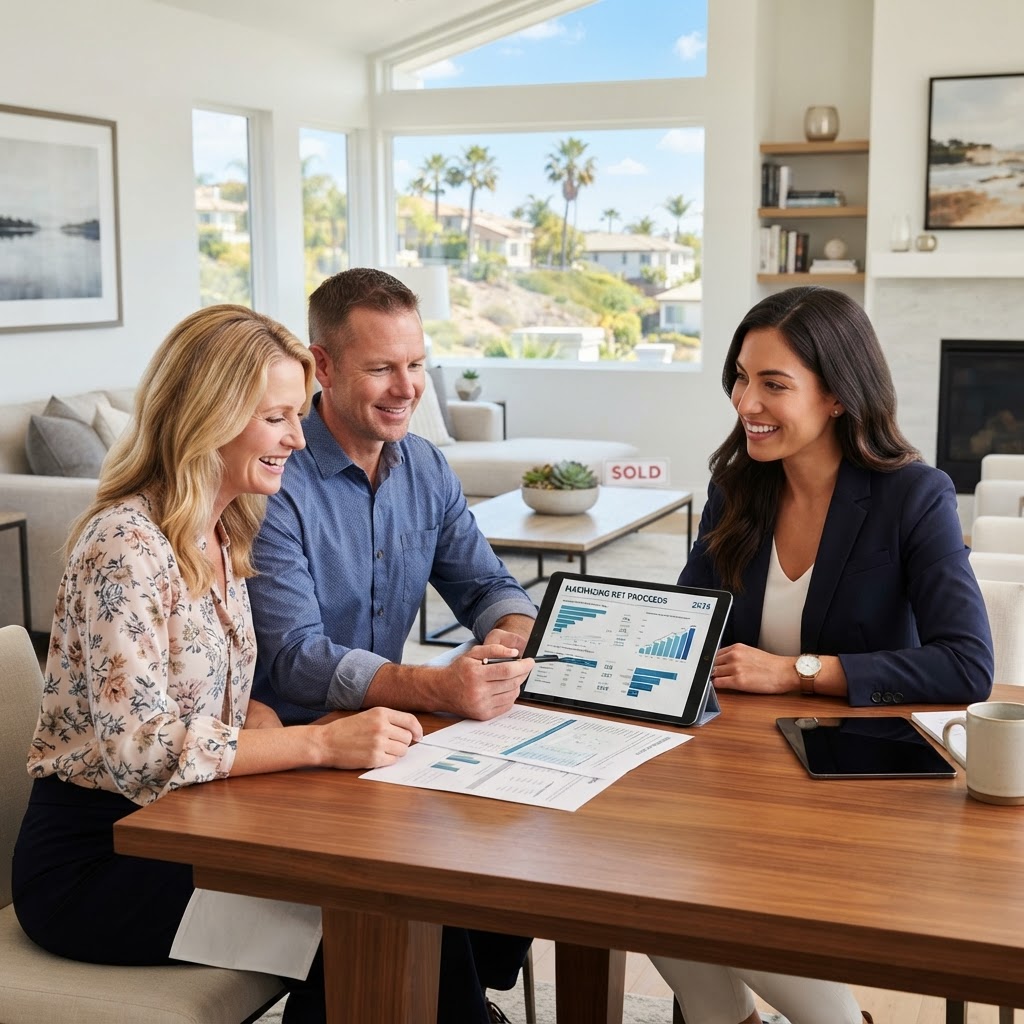
A critical, often overlooked aspect of the California sale is the financial friction at the closing table. Sellers should prepare for total closing costs ranging from 6% to 10% of the final sale price (Redding Homes, 2026). This includes:
- County and City Transfer Taxes: While the base county rate is typically $1.10 per $1,000 of value, cities like San Francisco or Los Angeles may have significantly higher tiered municipal rates (SmartAsset, 2025).
- FTB Withholding (The 'Exit Tax'): Sellers moving out of state must account for the California Franchise Tax Board’s mandatory 3.33% withholding of the total sales price, unless they qualify for an exemption (Taxes for Expats, 2026).
Practical Takeaways for the 2026 Seller
- Price for Momentum: With buyers unwilling to overpay, pricing at or slightly below the $854,000 median (adjusted for local comps) is more effective at generating multiple offers than 'testing' a high price.
- Define Contingency Timelines: Shorten the buyer’s inspection period to 10-12 days (down from the standard 17) to ensure the deal is solid before the home is off the market for too long.
- Verify Financing Early: In a balanced market, the strength of the buyer’s lender is as important as the offer price. Ensure your agent vets the buyer’s pre-approval to avoid mid-escrow financing collapses (Waterstone Mortgage, 2026).