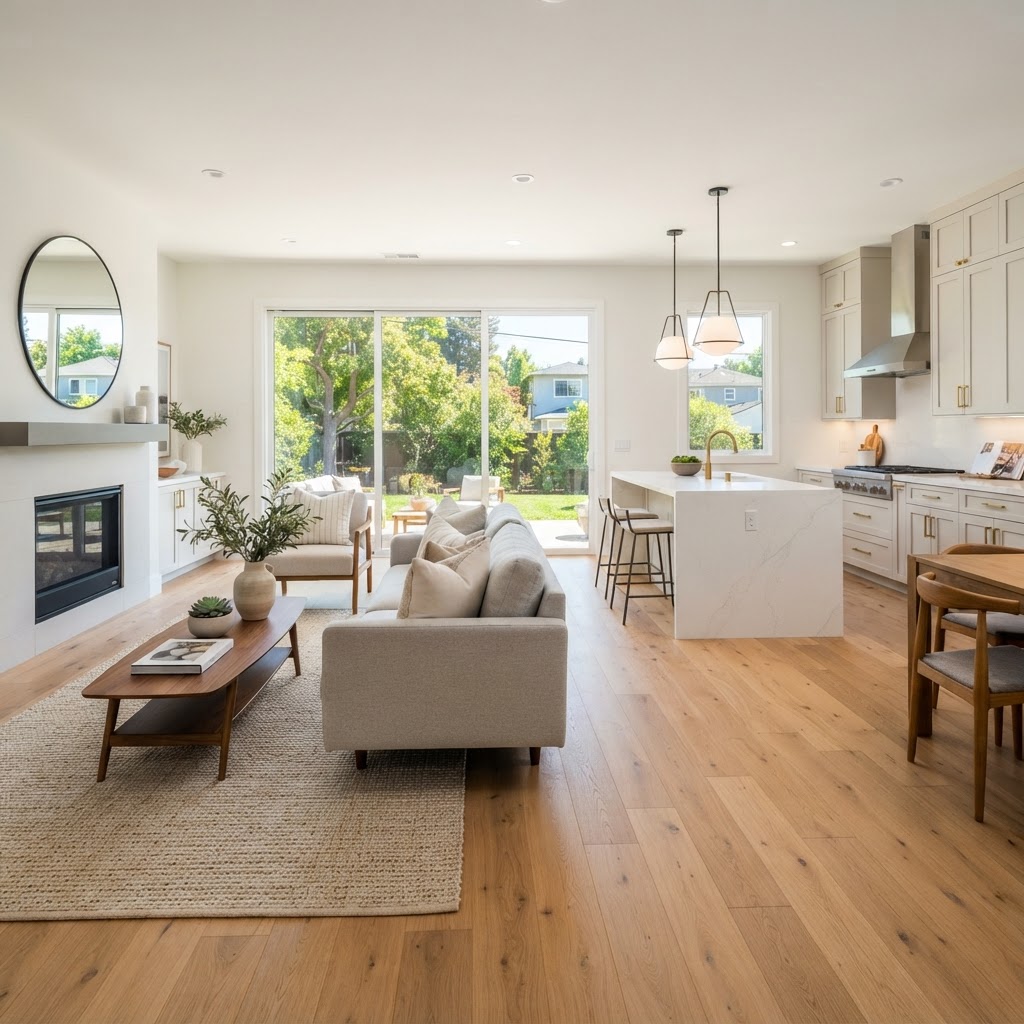
The New Reality: Why 'Fixer-Uppers' Are Fading
As of mid-2026, the California real estate landscape has undergone a fundamental shift. While the state has historically been a haven for 'sweat equity' enthusiasts, a combination of record-high construction labor costs and elevated interest rates has changed buyer psychology. According to data from the California Association of Realtors (CAR), homes marketed as 'fully renovated' or 'turnkey' are currently selling 14 days faster and for a 12% higher premium compared to homes requiring even minor cosmetic repairs.
For the 2026 seller, the goal is no longer just to 'clean up,' but to cross the Turnkey Threshold. In an era where a simple bathroom remodel in Los Angeles or the Bay Area can exceed $35,000 due to labor shortages, buyers are pricing in a 'hassle tax' that far outweighs the actual cost of repairs. To maximize value, sellers must strategically eliminate the buyer's fear of post-purchase construction.
1. The 'Micro-Refresh' Over the Major Overhaul
Data from the Bureau of Labor Statistics (BLS) indicates that construction wages in California have risen 18% since 2024. This makes full-scale kitchen gut-renovations a risky investment for sellers. Instead, focus on high-impact cosmetic updates. Replacing dated cabinet hardware, installing quartz countertops over existing cabinetry, and upgrading to smart, matte-finish appliances offer a 110% return on investment (ROI) according to recent MLS valuation trends. Avoid structural changes that require lengthy permitting processes, which are currently averaging 4-6 months in major California municipalities.
2. The Neutralization Mandate
In 2026, the 'coastal minimalist' aesthetic has become the standard for maximizing offers. This involves more than just a coat of white paint. Sellers should focus on:
- LVP Flooring: Luxury Vinyl Plank flooring that mimics light oak is the preferred choice for CA buyers due to its durability and moisture resistance.
- Lighting Architecture: Replace all 2700K (yellow) bulbs with 3000K-3500K (warm white) LEDs and swap outdated fixtures for recessed 'wafer' lights to create a sense of volume.
- Hardware Continuity: Ensure all door handles, hinges, and faucets match in finish—preferably brushed gold or matte black—to create a cohesive, high-end feel.
3. Closing the 'Inspection Gap'
The most common deal-killer in the current market is the 'hidden' maintenance backlog. With 2026 buyers having limited liquidity after high down payments, a failed inspection often leads to immediate cancellation rather than negotiation. Proactive sellers should commission a 'Pre-Listing Health Audit.' Addressing minor plumbing leaks, clearing sewer lines, and ensuring the HVAC system has a certified 2-year lifespan remaining will prevent the mid-escrow price chipping that often costs sellers 3-5% of their total equity.
Practical Takeaways for the 2026 Seller
- Audit Labor Availability: Before listing, secure a handyman for a 'punch-list' week. Labor is the scarcest resource in the 2026 CA market; having one on call is a competitive advantage.
- Target the 'Price-Out' Buyer: Many buyers are at their absolute debt-to-income limit. They cannot afford to finance a renovation out of pocket. By delivering a turnkey product, you allow them to roll the 'cost' of the upgrades into their mortgage.
- Prioritize the 'First Five Seconds': The entryway and front door hardware should be brand new. In the digital-first 2026 market, the physical 'touch' of a heavy, high-quality door handle sets the tone for the entire tour.


