Capitalizing on the 'Mortgage Subsidizer' Trend
As of mid-2026, California’s real estate landscape has fundamentally shifted. While interest rates have stabilized since the volatility of 2024, the affordability gap remains a primary hurdle for buyers. According to data from the California Association of Realtors (C.A.R.), nearly 22% of home searches in the Golden State now specifically filter for 'Accessory Dwelling Units' (ADUs) or 'Junior ADUs.' Sellers who position these units not merely as extra space, but as financial instruments, are seeing a 12-15% premium over single-structure comparables.
1. The 'Tenant Prospectus' Strategy
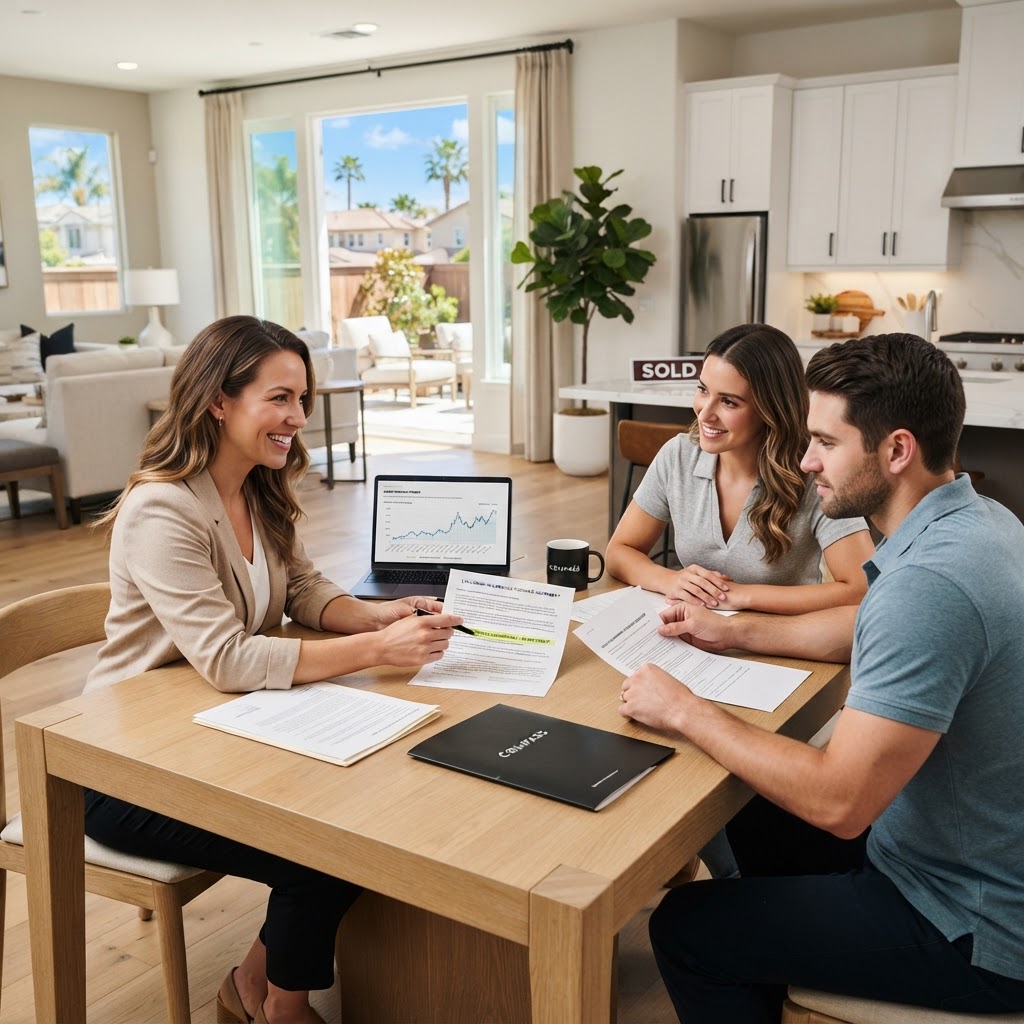
In the 2026 market, a buyer isn't just looking for a guest house; they are looking for a way to offset a $6,000 monthly mortgage. To maximize your home’s value, move beyond a simple mention in the MLS. Prepare a 'Tenant Prospectus' for potential buyers that includes:
- Verified Rental Analysis: Provide a localized report from platforms like Rentometer or Zumper showing current market rates for units of similar square footage.
- Utility Separation Documentation: Clearly state if the ADU is on a sub-meter or if utilities are shared. Homes with independent utility hookups command an average of 4% more in the California market due to the ease of property management.
- The 'Finaled' Permit Packet: With the 2026 crackdown on unpermitted structures, having your 'Certificate of Occupancy' at the front of your disclosure file is non-negotiable for securing top-tier financing.
2. AB 1033 and the 'Condo-Conversion' Potential
A pivotal shift for 2026 sellers is the localized adoption of Assembly Bill 1033, which allows ADUs to be sold separately as condominiums in participating municipalities (such as San Jose and Berkeley). Even if you are selling the entire property as one, highlighting the *future* potential for a buyer to subdivide and sell the ADU can significantly increase your 'Exit Value' narrative. Consult with a land-use attorney to determine if your lot meets the current 2026 requirements for future separate conveyance.
3. Staging for the 'Swiss Army Knife' Buyer
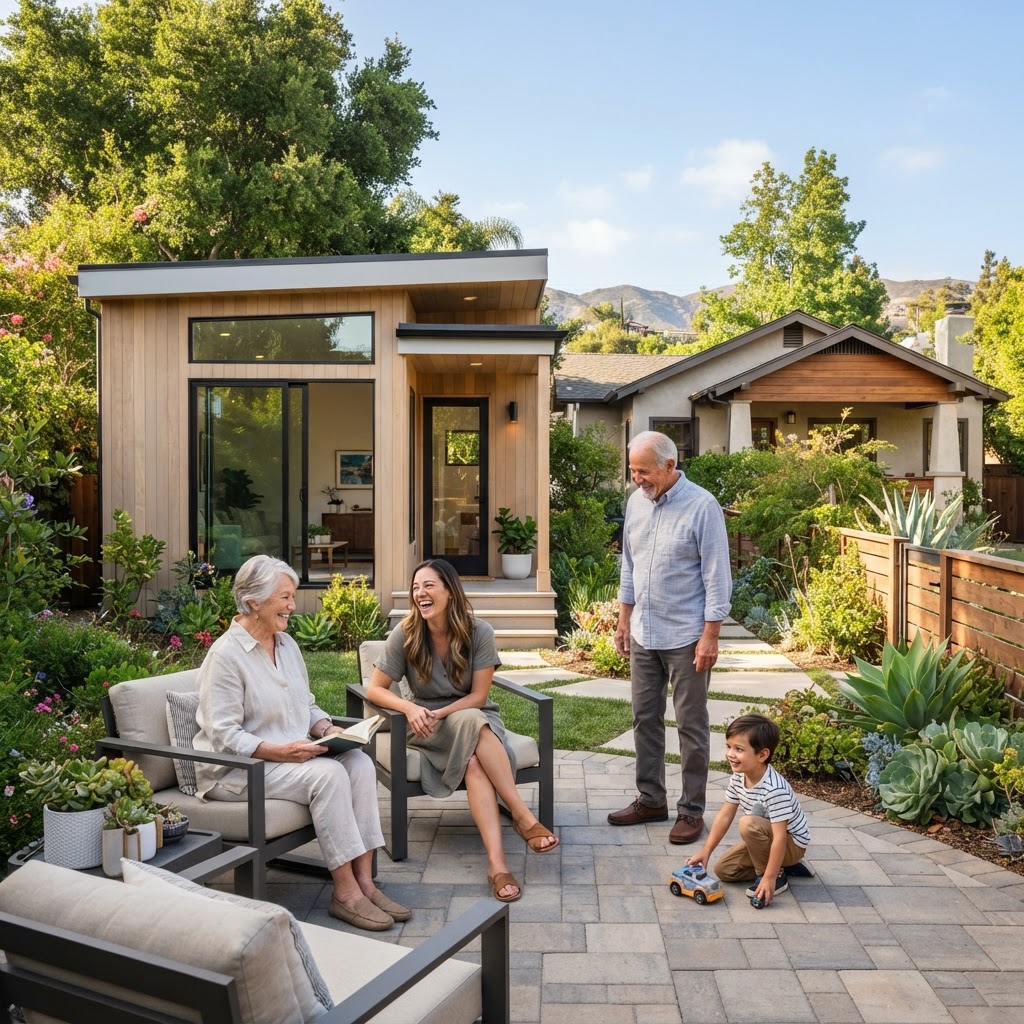
The 2026 buyer is often a multi-generational household. Data from the Pew Research Center indicates that 1 in 5 Californians now live in multi-gen homes. When preparing the ADU for sale, stage it for dual-purpose functionality:
- The Caregiver Configuration: Ensure the ADU features universal design elements (grab bars, zero-step entries) which appeal to the 'Sandwich Generation' buyer moving an aging parent onto the property.
- The Remote-First Buffer: In coastal markets like Silicon Valley or Santa Monica, stage the ADU as a professional-grade executive suite, distinct from the main house to emphasize acoustic privacy.
4. Calculating the ADU Multiplier
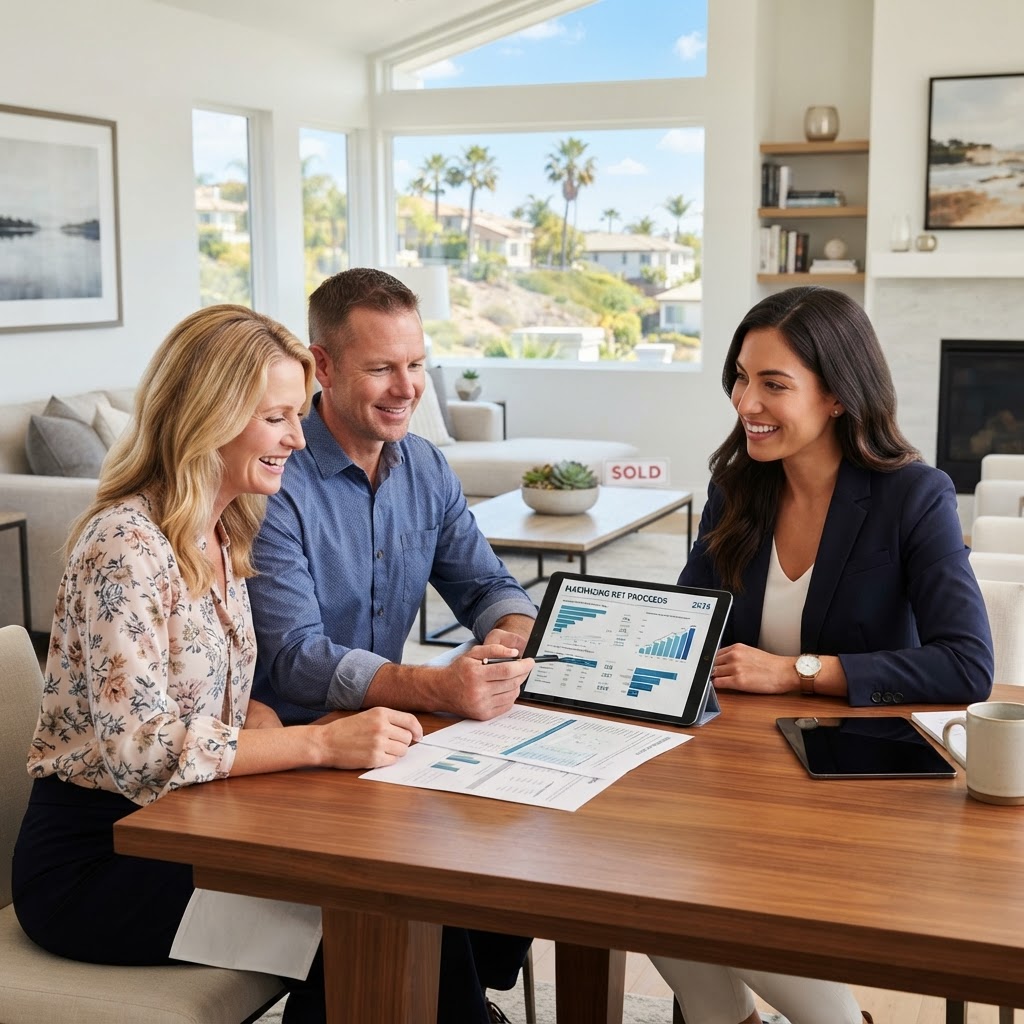
Traditional appraisals often struggle with ADUs, frequently valuing them at 50% of their construction cost. To combat this, your listing agent should provide the appraiser with a 'Cost-to-Build' 2026 update. In the current labor market, building a high-quality ADU in California costs between $450 and $600 per square foot. By presenting these contemporary construction costs alongside the projected rental yield, you provide the appraiser with the necessary data to justify a higher valuation based on the 'Income Approach' rather than just the 'Sales Comparison Approach.'
Practical Seller Takeaways:
- Audit Your Permits: Ensure all work on the ADU is closed out with the local building department at least 30 days before listing.
- Highlight Connectivity: In 2026, an ADU without dedicated high-speed fiber or a mesh-network link to the main house is considered 'incomplete' by tech-sector buyers.
- Landscape for Privacy: Spend $5,000 on strategic screening (clumping bamboo or privacy fencing) between the main house and ADU; the 'privacy premium' can yield a 3x return on investment.