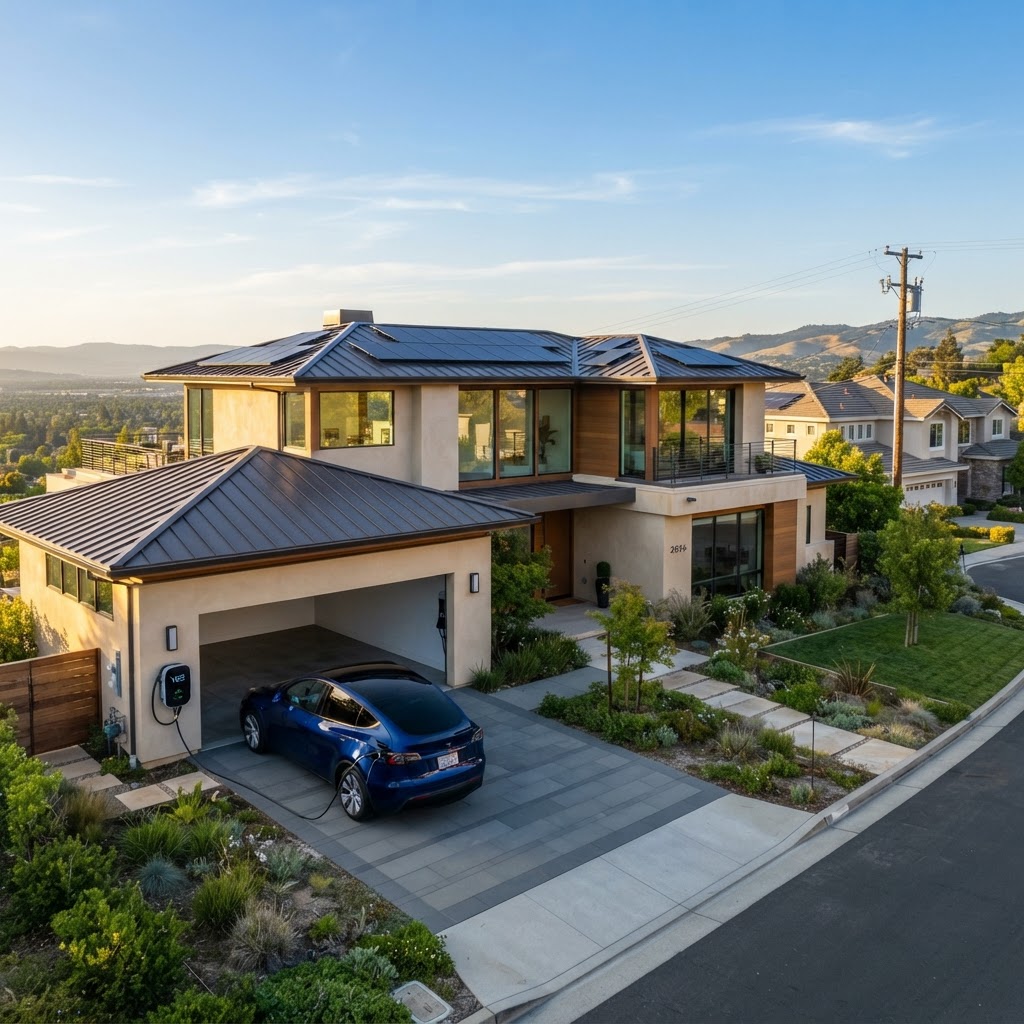
The Evolution of Energy Equity
As of July 16, 2026, the California housing market is no longer just about square footage and location; it is about energy autonomy. Following the full implementation of the California Energy Commission’s (CEC) Grid-Interactive Building Standards earlier this year, a new class of 'Active Grid' homes has emerged. According to the California Association of Realtors (C.A.R.) Q2 2026 report, residential properties equipped with Vehicle-to-Grid (V2G) bidirectional charging capabilities are commanding a 5.2% price premium over non-compatible counterparts. This 'Grid-Tie Premium' reflects a shift in buyer priorities toward long-term utility hedging and home-based revenue generation.
Understanding the V2G Market Movement
The shift is driven by a combination of regulatory pressure and consumer demand for resilience. With the 2026 update to Title 24, Part 6, all new construction and significant renovations must now feature hardware capable of discharging EV battery power back into the home or the municipal grid during peak demand. Data from Southern California Edison (SCE) indicates that homeowners utilizing these systems are offsetting their annual electricity costs by an average of $1,800, effectively turning the home into a micro-utility. This transition is most visible in the Inland Empire and Central Valley, where extreme heat cycles make energy independence a top-tier asset.
Appraisal Shifts and Financial Incentives
The Appraisal Institute has responded to these trends by updating its Green Addendum for 2026, specifically allowing for the valuation of 'Grid-interactive efficient building' (GEB) assets. This has provided lenders with the confidence to approve higher loan-to-value ratios for sustainable builds. In high-density markets like San Jose and San Diego, MLS listings now feature a 'Grid-Ready' badge, which has correlated with an 8-day reduction in median time-on-market compared to standard residential listings. This transparency is helping buyers justify higher acquisition costs through the lens of operational savings.
Practical Takeaways for Market Participants
- For Sellers: Before listing, conduct a V2G compatibility audit. Retrofitting a standard Level 2 charger to a bidirectional system costs approximately $4,500 but can add significantly more to the final sale price in tech-forward hubs.
- For Buyers: Prioritize homes with certified 'Smart-Panel' upgrades. These systems are essential for managing the flow of electricity between the vehicle, house, and grid, and are often eligible for the 2026 Federal Residential Clean Energy Credit.
- For Investors: Focus on older R2-zoned properties where electrical service upgrades to 400-amp service haven't yet been performed; these represent the highest value-add opportunity in the current regulatory climate.


