The New Architecture of the California Sale
As we navigate the third quarter of 2026, the California real estate market has fully integrated the structural changes resulting from the 2024 NAR settlement. For sellers, the traditional pricing model has evolved into a more complex financial negotiation. According to data from the California Association of Realtors (C.A.R.), the average equity position for a California homeowner remains near record highs, but unlocking that liquidity now requires a sophisticated understanding of buyer-agent compensation dynamics and micro-market absorption rates.
1. The Transparency Advantage: Strategic Concession Signaling
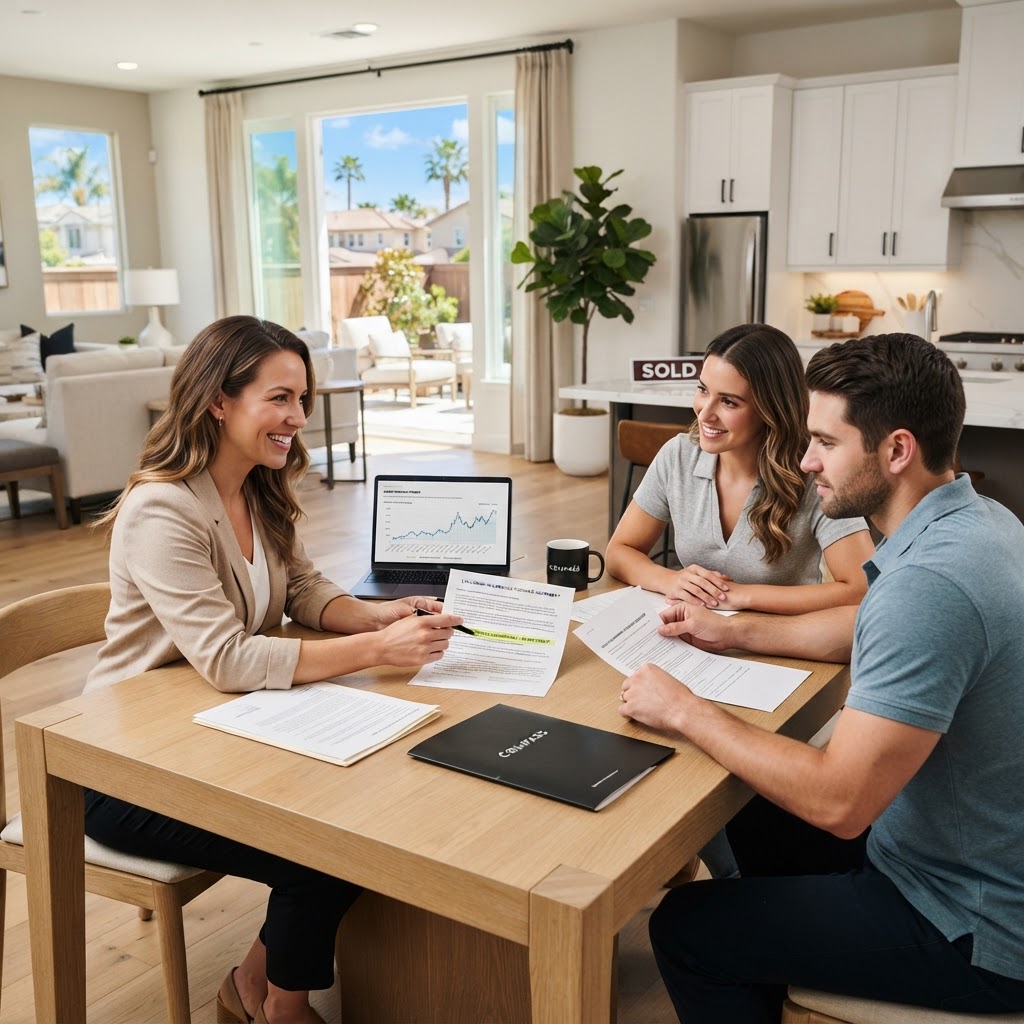
In the 2026 market, professional sellers must view buyer-broker compensation not as a fixed cost, but as a strategic marketing lever. While MLS listings no longer display blanket offers of compensation, savvy sellers are utilizing the 'Seller Concession' field to signal flexibility. Internal MLS data from early 2026 indicates that listings offering a clearly defined 'Buyer Side Credit' of 2% to 2.5% saw a 14% faster close rate than those that remained silent. This transparency reduces friction for buyers who are already grappling with California's stabilized but elevated mortgage environment.
2. Hyper-Local Data: The Three-Block Analysis
Statewide averages are increasingly misleading. While the median price in California holds steady near $915,000, the performance of specific neighborhoods varies wildly. Sellers should demand a 'Market Velocity Report' focusing on two key metrics:
- Absorption Rate: How many months of inventory are in your specific zip code? A rate below 2.5 months justifies a 'premium' pricing strategy.
- List-to-Sale Variance: In tech-heavy corridors like Sunnyvale, homes are frequently closing 4% above list, whereas in parts of the Central Valley, 1.5% below is the standard.
3. Maximizing Value via 'Energy Transparency'
With the 2026 'Green Home' mandates influencing buyer preference, preparation should focus on high-ROI energy disclosures. Rather than a full cosmetic remodel, providing a certified 'Home Energy Score' or highlighting existing EV-ready infrastructure in the garage has become a major selling point. These 'future-proof' features have shown a 108% cost-recoupment rate in coastal California markets this year, as buyers look to mitigate rising utility costs.
4. Practical Takeaways for the 2026 Seller
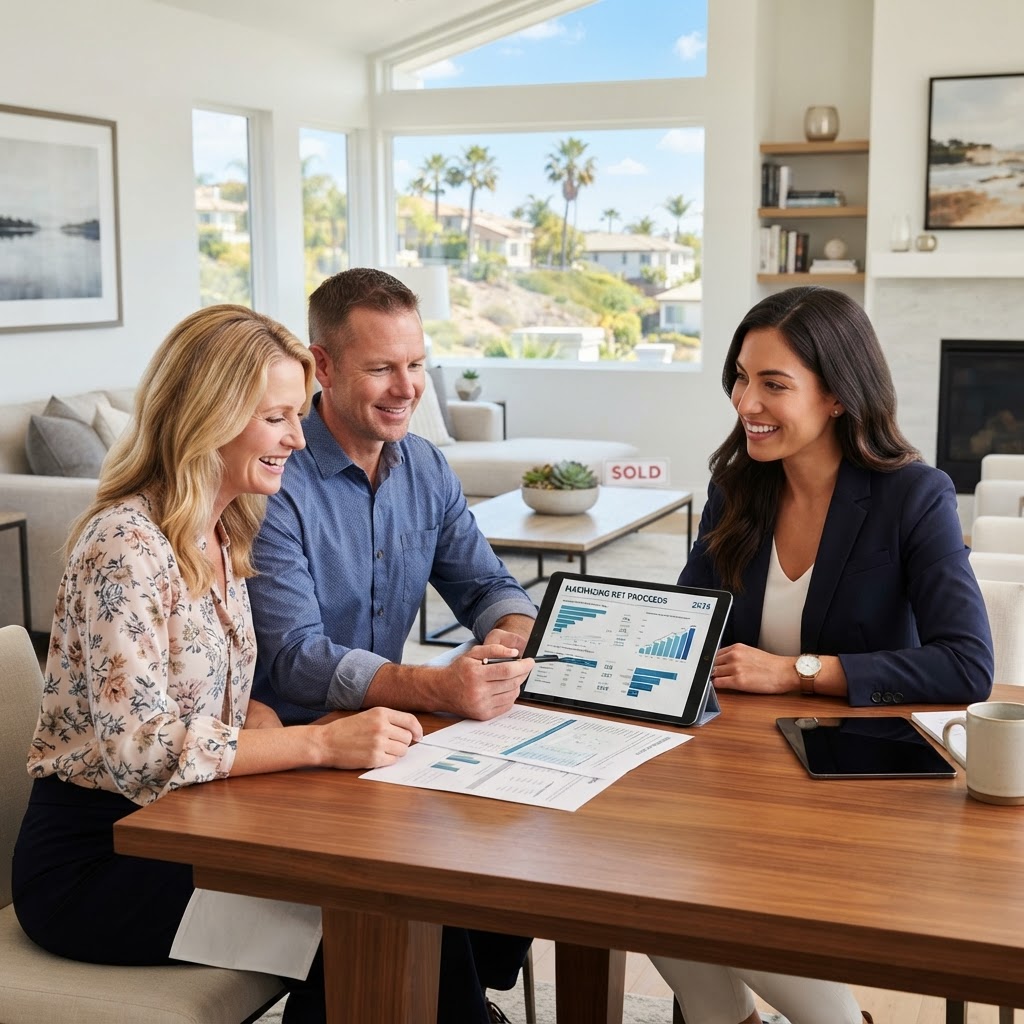
- Request an Interactive Net Sheet: Account for the 1.1% to 1.25% base property tax rate plus any local Mello-Roos to provide buyers with an accurate Total Cost of Ownership (TCO) model.
- Formalize the Compensation Strategy: Explicitly discuss with your listing agent how they will handle inquiries from buyer's agents regarding commission. Clarity here prevents your listing from being overlooked by agents representing budget-conscious buyers.
- The 48-Hour Pre-Listing Audit: Before going live, verify your property’s status on major aggregators to ensure the 'Seller Concession' notes are prominently displayed, as these are now high-priority filters for 2026 buyers.