The Shift from Aesthetics to Resilience
As of July 2026, the California real estate landscape has undergone a fundamental shift. While granite countertops and open floor plans remain attractive, the primary driver of 'premium' valuations has pivoted toward climate resilience. With utility rates from major providers like PG&E and SCE having risen by an average of 18% over the last 24 months, and CAL FIRE’s stricter enforcement of AB 38 defensible space inspections, sellers must adapt their strategy to meet the demands of the 'risk-aware' buyer.
1. Hardening the Home: The New 'Curb Appeal'
In today's market, the 'hardened' home commands a significant price premium. According to recent data from the National Association of Realtors (NAR), homes with verified wildfire-resistant features sell approximately 5% faster in California’s wildland-urban interface (WUI) zones. Sellers should prioritize the following physical upgrades before hitting the market:
- Vents and Eaves: Replace standard attic vents with flame- and ember-resistant specialized vents. This is a relatively low-cost upgrade that provides high-value peace of mind during inspections.
- Class A Roofing: If your roof is nearing the end of its life, replacing it with non-combustible materials is no longer optional for top-tier pricing; it is a prerequisite.
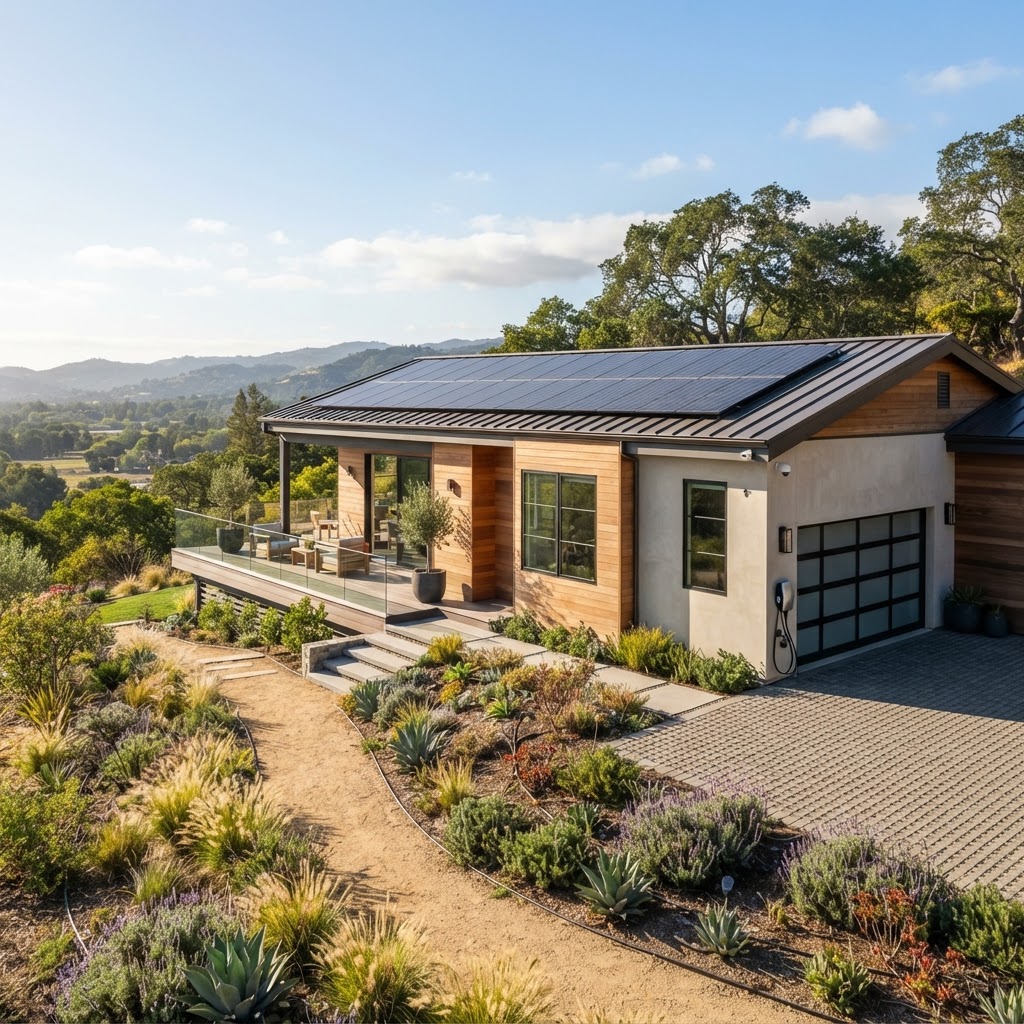
- Defensible Space (Zone 0): California law now emphasizes 'Zone 0'—the first five feet around the structure. Replacing mulch with gravel or river rock and removing woody shrubs from this perimeter is a visual cue to buyers that the home is maintained for modern safety standards.
2. Energy Independence as a Financial Asset
With California’s grid facing increased strain and peak-pricing models becoming more aggressive in 2026, energy autonomy is a major selling point. Data from Lawrence Berkeley National Laboratory indicates that solar-plus-storage systems add an average of $15,000 to $25,000 to a home's resale value in the California market.
Sellers should highlight their home’s 'Energy Score.' If you have invested in NEM 3.0-compliant battery storage, ensure your marketing materials quantify the monthly savings. In 2026, a buyer isn't just looking at a mortgage payment; they are looking at the 'Total Cost of Occupancy,' which includes skyrocketing electricity and cooling costs.
3. The Low-Water Landscape Luxury
The traditional lush green lawn is increasingly viewed as a liability. To maximize value, transition to high-end xeriscaping. Strategic use of native, drought-tolerant plants (such as Manzanita or Ceanothus) paired with efficient drip irrigation systems reduces water overhead. Practical takeaway: A professionally xeriscaped front yard can provide a Return on Investment (ROI) of up to 150% by lowering the buyer’s future maintenance costs and utility bills.
4. Transparency: The Resilience Report
To avoid friction during the escrow process, proactive sellers are now commissioning 'Resilience Reports' alongside standard home inspections. This document should aggregate:
- Current HERS (Home Energy Rating System) scores.
- Documented proof of AB 38 compliance (for applicable zones).
- Records of HVAC servicing, specifically focusing on high-MERV filtration systems, which have become a priority for buyers concerned about seasonal air quality issues.
Strategic Conclusion
In the California market of 2026, the sellers who win are those who prove their home is built to withstand the elements and the rising costs of living. By shifting focus from cosmetic updates to structural and environmental resilience, you not only protect your equity but also appeal to the growing demographic of buyers seeking long-term security in the Golden State.