Mastering the Supply-Side Advantage in the 2026 Market
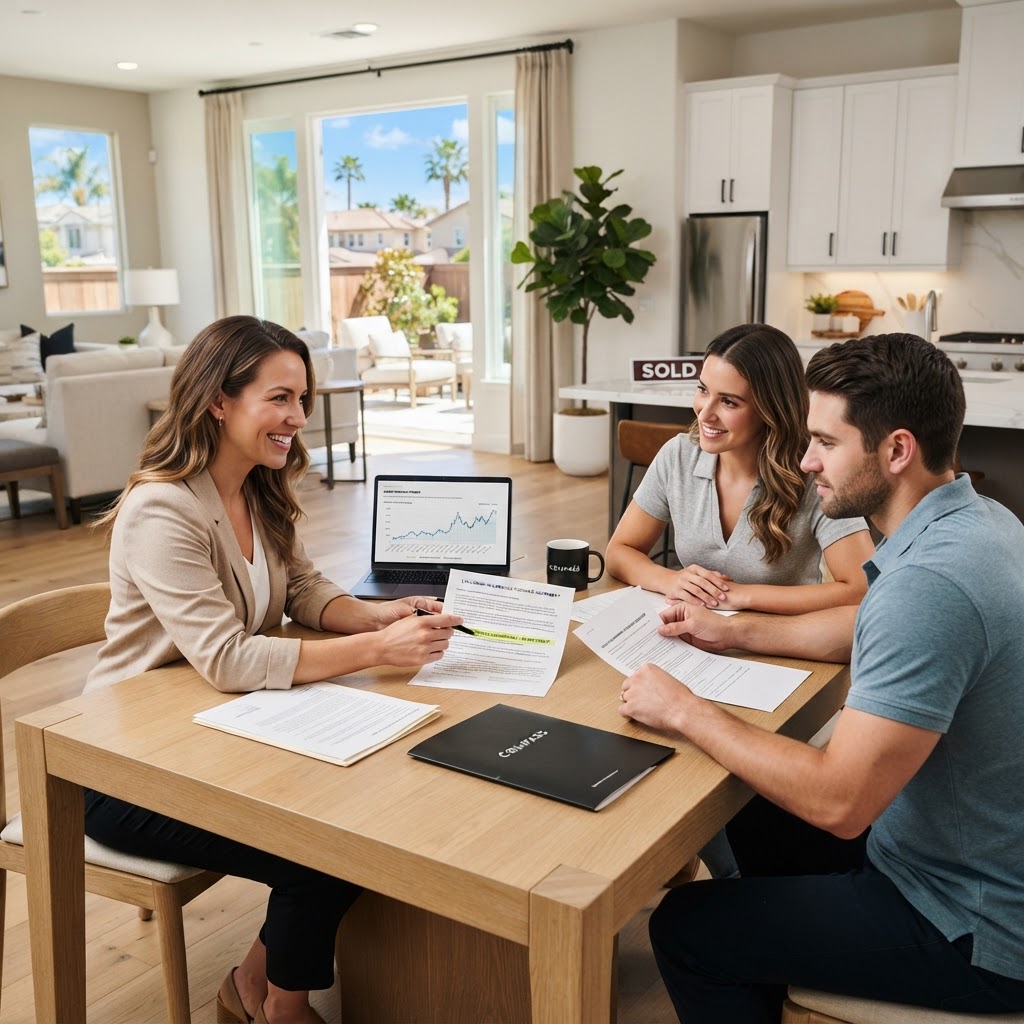
As of June 2026, the California housing market continues to be defined by a persistent supply-demand imbalance. Data from the California Association of Realtors (CAR) indicates that while interest rates have stabilized, active listings remain 18% below the 10-year seasonal average. For sellers, this environment requires a shift in strategy: it is no longer just about the highest offer, but about leveraging scarcity to secure the most favorable contractual terms.
The Seller Leaseback: Solving the 'Where Do I Go?' Dilemma
One of the primary hurdles for California sellers in 2026 is the transition to their next property. With inventory tight, the risk of being 'homeless' between transactions is high. Strategic sellers are now utilizing the Seller License to Remain in Possession (C.A.R. Form SIP). In the current market, 42% of successful California closings include a leaseback provision of 30 to 60 days. This allows the seller to access their equity first, then shop as a non-contingent buyer—a massive advantage in a competitive landscape.
The Appraisal Gap Strategy
Despite high demand, 2026 has seen a rise in 'appraisal conservative' lending. When a bidding war pushes a price above the comparable sales data, the deal often falters at the valuation stage. To mitigate this, sellers should prioritize offers that include an Appraisal Gap Clause. This is a commitment from the buyer to cover a specific dollar amount between the appraised value and the purchase price out of pocket. According to MLS data from the first half of 2026, contracts with appraisal gap coverage are 3.5 times more likely to close on schedule than those without.
Strategic Pre-Inspection: Controlling the Narrative
While traditional advice suggests waiting for the buyer's inspection, the 2026 California seller benefits from a proactive approach. By commissioning a 'pre-listing' general home inspection and a Section 1 termite clearance, you eliminate the buyer’s primary tool for price renegotiation. When you provide these reports upfront, you can request 'as-is' offers with shorter investigation periods (often reduced from the standard 17 days to just 7 or 10 days). This limits the 'second negotiation' that often occurs two weeks into escrow.
Maximizing Net Proceeds Beyond the Sales Price
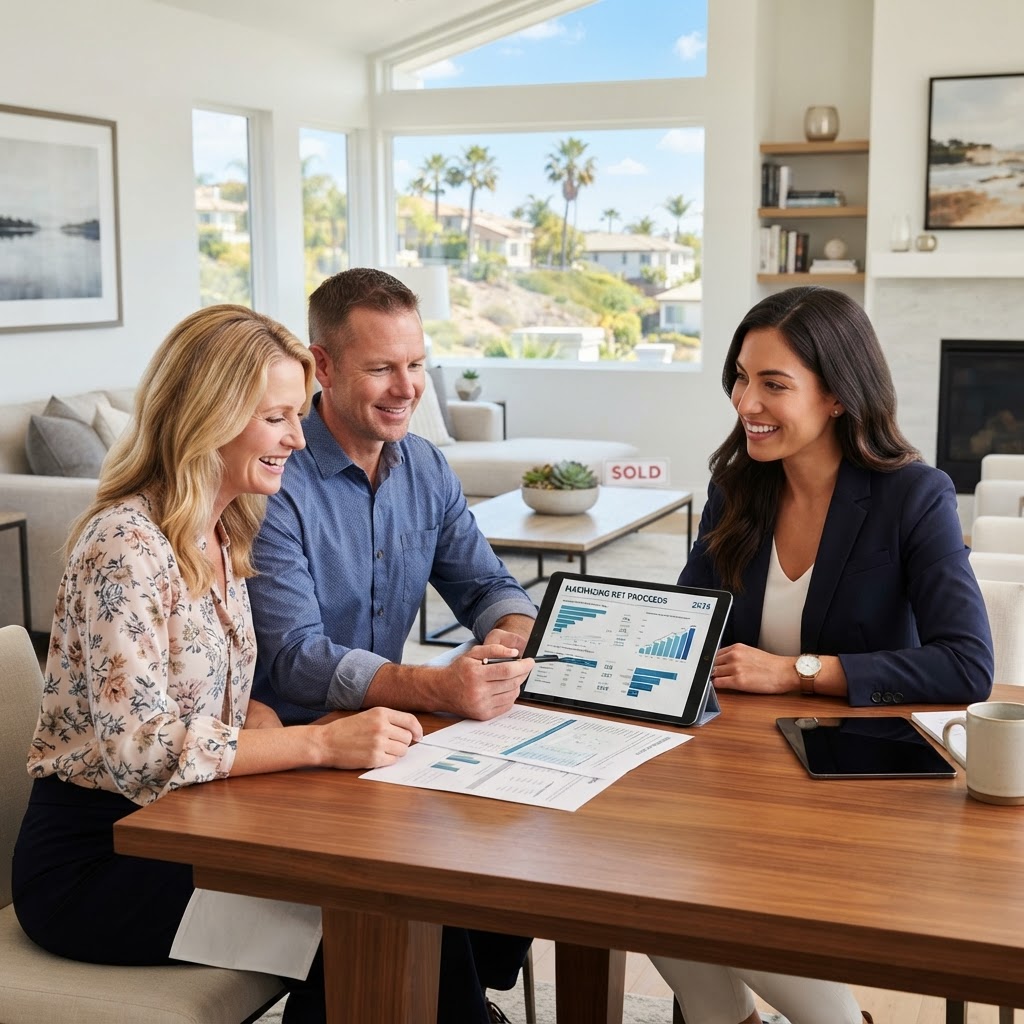
High sales prices often mask the impact of closing costs. In California, who pays for what varies significantly by county (e.g., in Los Angeles, the seller typically pays the transfer tax, whereas in Northern California, it is often split). Sellers should request a Estimated Net Sheet from their escrow officer before accepting an offer. Practical moves to increase this net figure include:
- Terminating Solar Leases: Buyers in 2026 are increasingly wary of assuming 20-year leases. Paying off the solar lien before close can often return 1.5x the cost in increased offer strength.
- Curb Appeal ROI: Recent 2026 consumer surveys show that 'native-scape' or drought-tolerant front yards increase perceived value by up to 5% in regions like the Inland Empire and Central Valley.
Practical Takeaways for the 2026 Seller
- Demand a 'Proof of Funds' Update: Ensure the buyer's pre-approval is dated within the last 14 days to account for any micro-shifts in June 2026 lending rates.
- Set a 'Best and Final' Deadline: Utilize the scarcity of mid-summer inventory by setting a firm deadline for offers, creating a controlled competitive environment.
- Verify the Cross-Qualification: If a buyer is using a non-preferred lender, require them to be cross-qualified by a trusted local lender to verify the strength of their file.
By focusing on contract certainty and post-closing flexibility, California sellers can navigate the 2026 inventory crunch not just with a high sales price, but with a seamless transition to their next chapter.