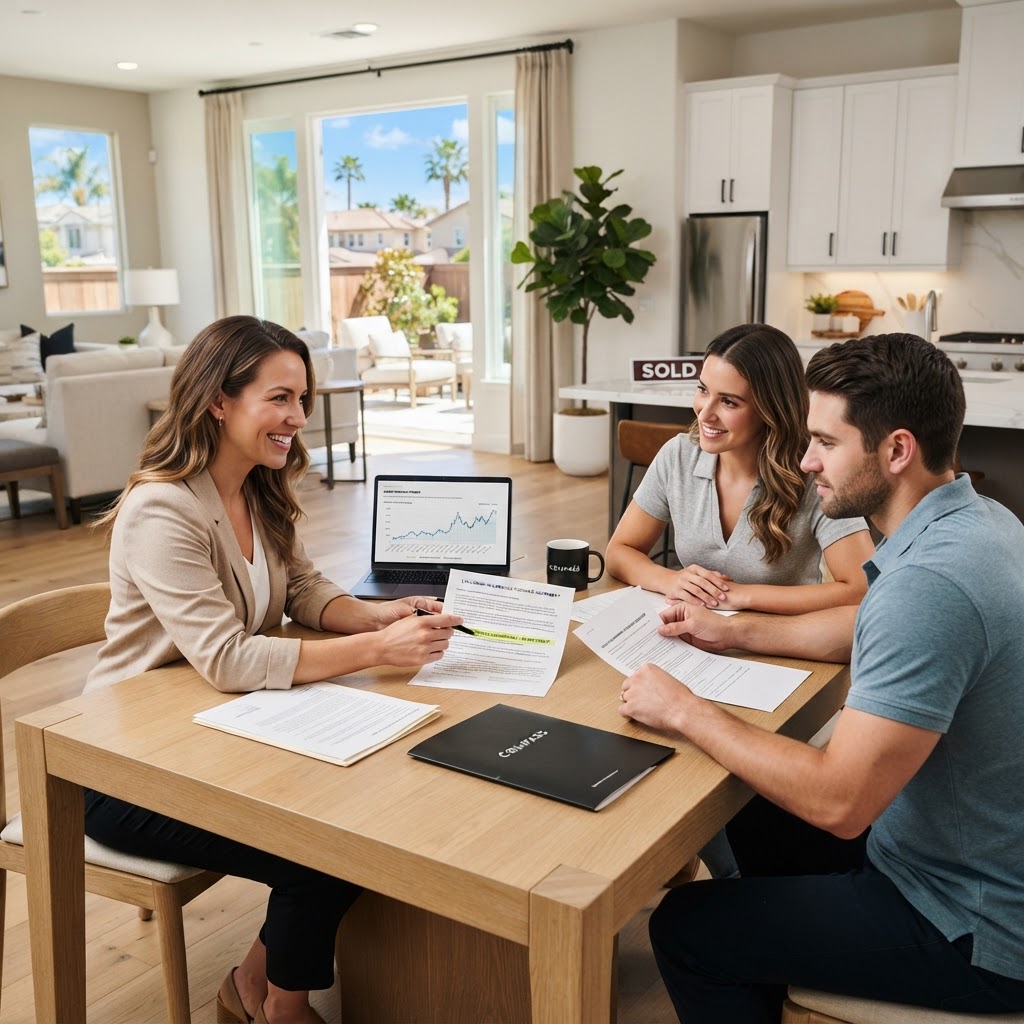
The Shift from Disclosure to Compliance
In the 2026 California real estate market, transparency through disclosures is no longer the final hurdle. As municipalities look to upgrade infrastructure and meet environmental targets, 'Point-of-Sale' (POS) mandates have become the primary friction point in residential transactions. Data from the California Association of Realtors (C.A.R.) suggests that nearly 18% of urban escrows in 2025 required extensions specifically to address local code compliance issues that were discovered mid-transaction. For sellers, waiting for the buyer’s inspection to uncover these requirements is a high-risk strategy that invites aggressive price renegotiations.
Identifying Your Local 'Deal-Killers'
California’s regulatory environment is a patchwork of city and county ordinances. Sellers must distinguish between statewide requirements and hyper-local mandates. While every CA home must meet Health and Safety Code standards for smoke detectors, carbon monoxide alarms, and water heater bracing, local ordinances often go much further:
- The Sewer Lateral Mandate: In many jurisdictions, including the EBMUD service area and parts of the Central Coast, sellers must provide a Compliance Certificate proving the private sewer lateral is leak-free before the title can transfer.
- San Francisco’s 3R Report: Sellers in SF must provide a Report of Residential Record (3R) to verify the legal use and permit history, preventing buyers from backing out due to unpermitted 'bonus' rooms.
- Los Angeles 9A Report: The Residential Property Report (9A) identifies everything from seismic shut-off valve requirements to illegal garage conversions.
- Seismic Retrofitting: Cities like Berkeley and Santa Monica have specific 'Soft-Story' or gas shut-off valve requirements that must be certified upon sale.
The Pre-Listing Audit: A Tactical Advantage
To maximize home value and maintain leverage, the 'Pre-Listing Audit' has become a standard best practice in 2026. This involves hiring a specialized compliance consultant or a highly experienced local inspector to perform a municipal sweep 30 days before hitting the market. By identifying that a sidewalk repair is required under a city's 'Safe Sidewalk' ordinance early, a seller can choose their own contractor at a competitive rate, rather than paying a premium for an emergency repair during a 17-day contingency period.
Practical Takeaways for 2026 Sellers
To ensure a frictionless closing and protect your net proceeds, follow this compliance roadmap:
- Order the Municipal Report Early: In cities requiring a 9A, 3R, or similar report, order it at least three weeks before the list date. These city departments are often backlogged.
- Leverage the 'Certificate of Occupancy': If you have completed recent permitted work, ensure the final sign-off is recorded. Unclosed permits are the number one cause of title delays in the current market.
- The $3,000 Compliance Buffer: Allocate a small percentage of your prep budget specifically for 'invisible' fixes—low-flow plumbing fixtures, weatherstripping, and seismic valves—which offer no aesthetic value but are legally required for transfer.
- Verify ADU Legalization: With California’s expanded ADU laws, ensure any accessory unit is coded correctly in the local assessor's database to avoid 'use-code' discrepancies during the buyer's appraisal.
By treating municipal compliance as a front-end preparation task rather than a back-end closing requirement, California sellers can maintain the upper hand in negotiations and guarantee a swift close in an increasingly complex regulatory landscape.