The Shift from Aesthetics to Atmosphere
As we navigate the California real estate market in the summer of 2026, a distinct shift has occurred in buyer psychology. While 'modern refreshes' and 'precision pricing' remain foundational, the highest-performing listings now leverage the Wellness Premium. According to data from the Global Wellness Institute and recent 2026 MLS trends, properties that feature integrated health and ecological systems are seeing 12-15% more engagement and a 4% higher closing price compared to standard luxury renovations.
1. The Air Quality Mandate
In a state where wildfire seasons have become an annual consideration, indoor air quality (IAQ) is no longer a niche upgrade; it is a primary selling point. Sellers should focus on 'Active Air Defense' as a marketing pillar. This includes upgrading HVAC systems to MERV 16 filtration and installing localized HEPA systems in primary suites. In 2026, savvy sellers are providing certified IAQ reports during open houses to demonstrate a home’s resiliency against particulates and allergens.
2. Biophilic Design and the Seamless Transition
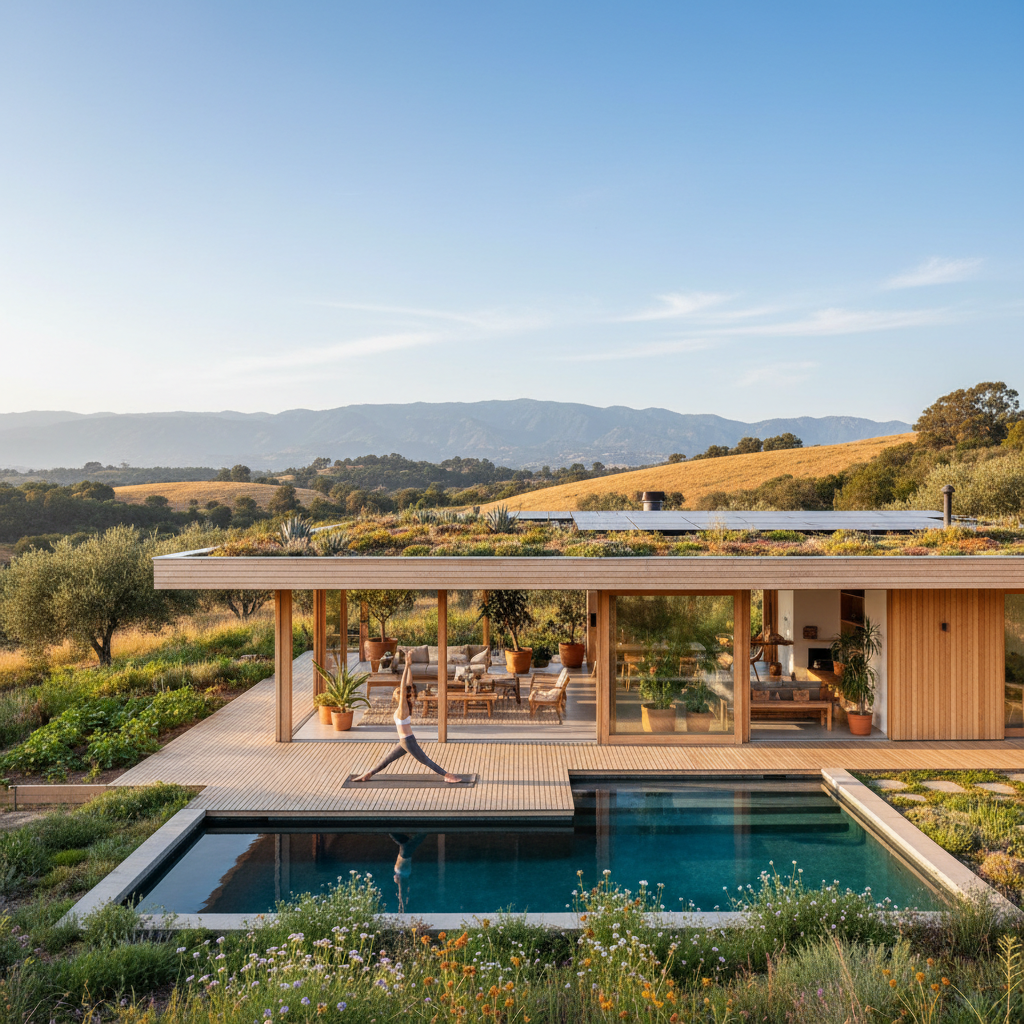
The 'California Room' has evolved. Modern buyers are looking for biophilic design—the practice of connecting occupants more closely to nature. This involves more than just a folding glass door; it requires strategic landscaping that draws the eye outward and utilizes native, drought-resistant flora that thrives in California’s specific microclimates. Data from the California Association of Realtors (CAR) indicates that homes with 'thermal comfort zones'—outdoor areas specifically designed with passive cooling and natural shading—sell 20% faster in inland regions like the Central Valley and Inland Empire.
3. Smart Water Management and Xeriscaping 2.0
With water costs rising 8% annually across major California municipalities, water-wise luxury is a significant value-add. Moving beyond basic gravel, sellers should implement 'Smart Hydration' systems. These IoT-enabled irrigation controllers use local weather data to minimize waste. High-end synthetic turf or native 'super-bloomers' offer the lush look buyers crave without the maintenance or ecological footprint. Practical takeaway: Highlight the projected annual utility savings in your marketing collateral.
4. Acoustic Privacy in the Hybrid Era
With 42% of California’s workforce still operating in hybrid or remote capacities as of 2026, the 'wellness' of a home also includes acoustic health. Sound-dampening insulation in home offices and the use of 'soft' architectural finishes (like acoustic slatted wood panels) are high-ROI upgrades. Sellers who can demonstrate a 'Quiet Zone' rating or showcase rooms with decibel-tested privacy are capturing the attention of professional couples who prioritize focus as much as floor plans.
Practical Seller Takeaways
- Audit Your Systems: Before listing, have a professional HVAC technician certify your air filtration system. Place a small, aesthetic air quality monitor on the kitchen island during showings to provide real-time data.
- Landscaping as Infrastructure: Invest in native California species like Manzanita or Ceanothus. They require 70% less water than non-native alternatives and offer year-round visual appeal.
- The 'Health' Brochure: Create a specific one-sheet for your disclosure package that lists all non-toxic materials used in the home, such as Low-VOC paints and formaldehyde-free cabinetry.
- Lighting for Circadian Rhythm: Swap out standard bulbs for smart lighting that adjusts color temperature throughout the day. Marketing a home’s 'Circadian Lighting System' appeals to the high-performance lifestyle of California buyers.