The Shift to Gentle Density in the 2026 Market
As we reach the midpoint of 2026, the California real estate landscape has undergone a structural transformation. While the high-interest-rate shocks of previous years have subsided into a 'new normal' mortgage environment hovering around 5.8%, the primary challenge remains inventory. However, a new sector has emerged for the savvy home buyer: the 'Missing Middle.' Projections from the California Association of Realtors (CAR) June 2026 forecast indicate that while traditional single-family home inventory remains tight, permits for small-lot subdivisions and SB 9 lot-splits have increased by 22% year-over-year.
Understanding the SB 9 and Small-Lot Opportunity
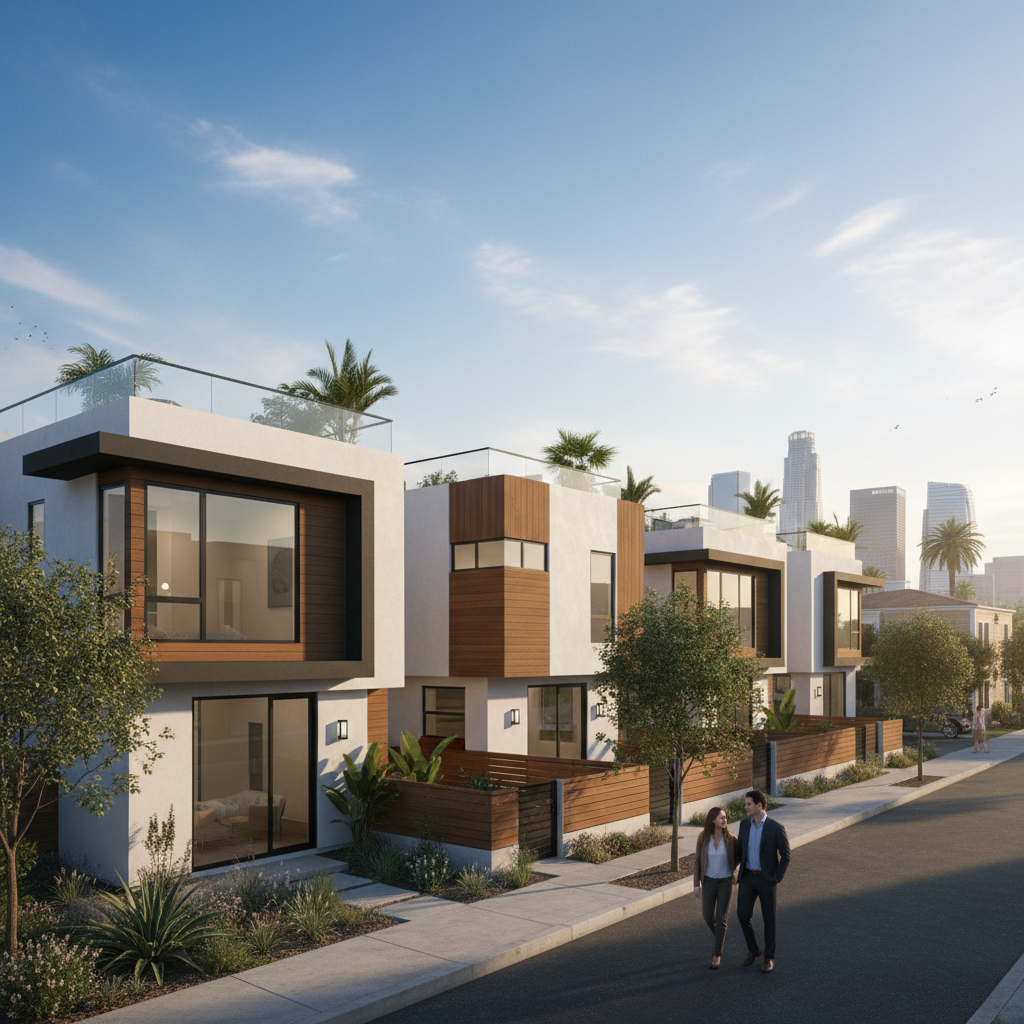
For decades, California buyers were forced to choose between high-rise condos or sprawling suburban estates. In 2026, the 'Infill Expansion' provides a third way. Under the matured framework of Senate Bill 9 (SB 9), many residential lots have been split, creating high-quality, detached primary residences on smaller footprints. These homes offer the autonomy of a single-family residence at a price point often 15-20% below the neighborhood median for traditional large-lot homes.
Navigating the 2026 Appraisal and Financing Gap
One of the most practical hurdles in the current market is the appraisal gap for non-traditional lots. Data from the 2026 MLS regional reports show that appraisers are still adjusting to the valuation of split-lot homes. Buyers should be prepared for 'Value Variance'—where the contract price may exceed the initial appraisal because there are fewer direct 'comps' for these new configurations.
- Practical Tip: Work with a lender who has a 'Unit Lot' or 'Urban Infill' specialty department. Traditional underwriters may struggle with the shared-wall or zero-lot-line easements common in these 2026 developments.
- Verification: Ensure the 'Final Map' for the subdivision has been recorded with the county. In 2026, many buyers have faced escrow delays due to pending administrative approvals on newly split lots.
The 2026 Infrastructure Check: Power and Easements
In today's market, the physical constraints of infill housing require a specialized due diligence process. Unlike the broad audits covered in previous reports, the 2026 buyer must focus on 'utility autonomy.' When a lot is split, the second or third home often shares a main sewer or water line connection. According to the California Department of Housing and Community Development (HCD), nearly 15% of infill disputes in 2025 arose from poorly defined maintenance agreements for shared infrastructure.
Actionable Takeaways for 2026 Home Buyers
- Target the 'RHNA' Zones: Look for municipalities that recently updated their Housing Element. Cities like San Diego and Sacramento have streamlined the 'missing middle' process, leading to a surge of newly completed inventory in June 2026.
- Review the Cross-Lot Easements: If you are buying a back-house or a split-lot home, have your attorney or agent verify the 'ingress/egress' rights. Ensure you have permanent, non-revocable access to the street and utility mains.
- Negotiate 'Builder Warranties': Since many of these homes are new construction on repurposed lots, ensure the developer provides a comprehensive 1-2-10 warranty (one year for labor/materials, two for systems, ten for structural).
Conclusion
The 2026 California buyer cannot afford to wait for a return to the 2019 market. Success in the current climate requires pivoting toward the state's density mandates. By focusing on small-lot subdivisions and SB 9 units, buyers can secure a detached home in premium coastal and urban markets that would otherwise be priced out of reach.