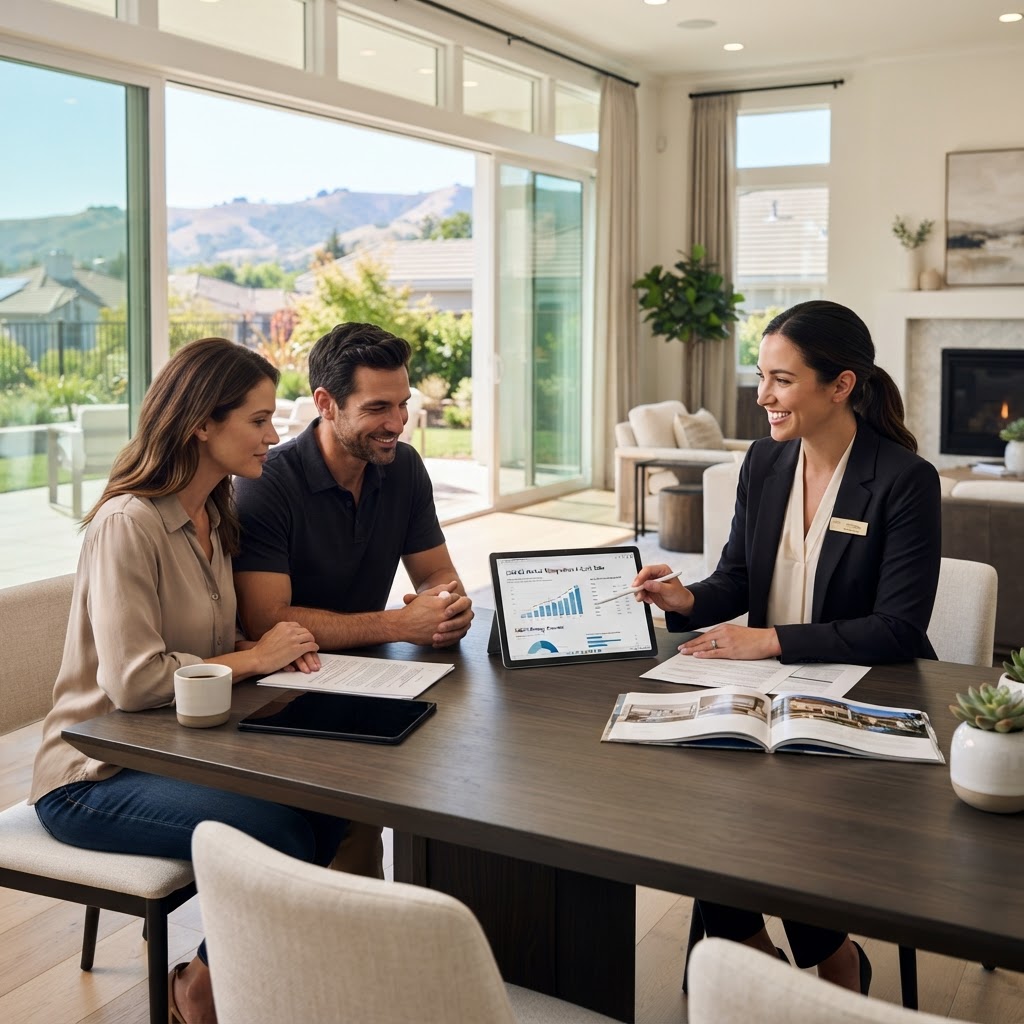
The 2026 Shift: Speed as the Ultimate Value Driver
In the California real estate market of mid-2026, the traditional 'wait and see' approach has been replaced by a demand for operational velocity. With inventory levels beginning to stabilize after the volatility of the mid-2020s, the California Association of Realtors (C.A.R.) reports that homes entering escrow within the first 12 days of listing command a 4.2% premium over those that linger past the 21-day mark. For a median-priced home in markets like San Jose or Orange County, this 'velocity premium' can equate to over $50,000 in net proceeds.
Phase 1: The 14-Day Launch Synchrony
Success in the current market requires more than just a 'Coming Soon' sign. Sellers must synchronize their physical preparation with digital deployment. According to recent MLS data, listings that utilize 3D spatial mapping and AI-driven virtual tours receive 60% more engagement from out-of-state buyers—a critical demographic as remote-work migration patterns stabilize in 2026.
- The Mid-Week Debut: Statistical analysis shows that listings going live on Wednesday afternoons capture the peak search volume of the 'Thursday Planning' window, leading to higher weekend open-house attendance.
- Digital Twin Readiness: Ensure your 2026 listing includes a 'Digital Twin' (a high-fidelity 3D model). This allows serious buyers to conduct measurements for furniture and renovations before their first physical visit, reducing the time spent in the 'contemplation phase.'
Phase 2: Leveraging the 2026 'Buyer Quality' Filter
With mortgage rates hovering in a more predictable yet elevated range compared to the early 2020s, the quality of the offer is often more important than the top-line number. In California, the prevalence of 'all-cash' offers has evolved into 'verified-liquidity' offers. Sellers should demand a 'Proof of Funds' that includes a 48-hour refresh timestamp to ensure the buyer's capital hasn't been sidelined by market shifts.
Phase 3: Tactical Concessions and Closing Credits
Rather than price drops, 2026's most successful sellers are using 'Interest Rate Buy-downs' as a strategic lever. By offering a 2-1 buydown credit, a seller can often maintain a higher headline sale price (protecting neighborhood comps) while making the monthly payment more manageable for the buyer than a $50,000 price reduction would.
| Strategy | Average Cost to Seller | Estimated ROI (2026) |
|---|---|---|
| Interest Rate Buydown (2-1) | 2-3% of Sale Price | 3.5x in Price Retention |
| Pre-Certified Home Warranty | $600 - $900 | Reduces Post-Inspection Friction |
| AI-Staging (Hybrid) | $500 - $1,500 | 15% Increase in Online Leads |
The California Localism Factor
Despite global trends, California selling remains hyper-local. In the Bay Area, the focus is on 'Turn-key Tech Integration,' whereas in the Inland Empire, the 'Energy Independence' of a home (Solar + Storage) has become a primary valuation metric. Sellers should audit their home’s 'Energy Intelligence'—homes with integrated smart-grid capabilities are currently selling 12% faster than those without.
Practical Takeaways for 2026 Sellers
- Audit the 'Digital Curb Appeal': Your first showing happens on a smartphone screen. If your listing doesn't load a 4K walkthrough in under two seconds, you've lost 30% of your pool.
- Front-Load the Logistics: Have your Natural Hazard Disclosure (NHD) and preliminary title report ready the day you hit the market. In 2026, 'Day 1 Certainty' is what drives non-contingent offers.
- Target the 'Migration Corridors': Work with agents who use geo-fenced marketing to target buyers in high-outflow zip codes (e.g., targeting tech workers in San Francisco for listings in Sacramento or San Diego).
By focusing on operational speed and digital transparency, California sellers can navigate the complexities of the 2026 market not just to find a buyer, but to find the right buyer who values the certainty and efficiency of a well-orchestrated sale.