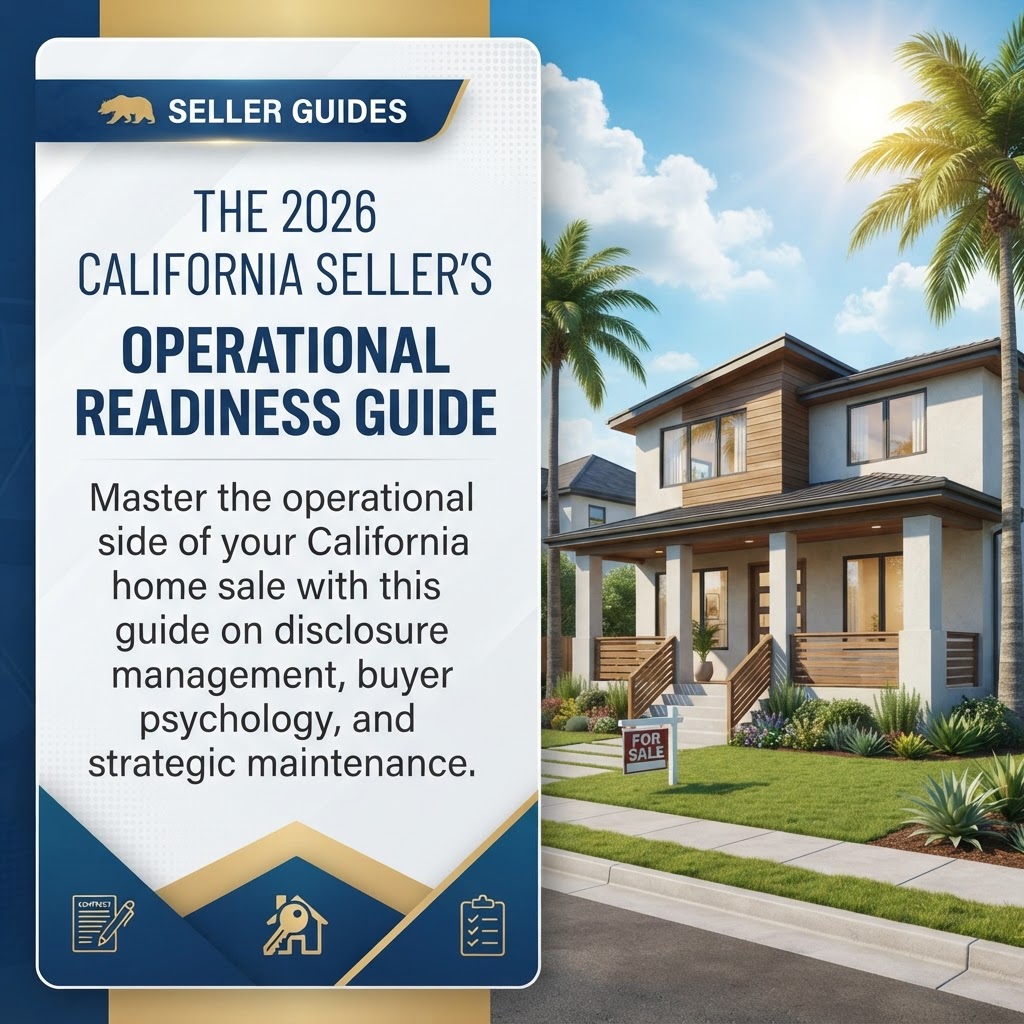
Navigating the 2026 California Compliance Landscape
In the California real estate market of June 2026, the gap between 'Pending' and 'Closed' has widened. With the California Association of Realtors (C.A.R.) reporting that approximately 22% of contracts statewide faced delays or cancellations in the first quarter of the year due to inspection hurdles or insurance contingencies, the traditional 'list first, ask questions later' approach is obsolete. To maximize home value and ensure a seamless transition, sellers must adopt a Pre-Escrow Audit strategy.
The Disclosure Power Play: TDS and SPQ
California law requires sellers to provide the Transfer Disclosure Statement (TDS) and the Seller Property Questionnaire (SPQ). Historically, these were often completed after an offer was accepted. In 2026, the most successful sellers are providing these documents as part of the initial marketing package. By disclosing the age of the roof, past water intrusion, or any known structural issues upfront, you eliminate the 're-negotiation window' that buyers often use to claw back credits during the inspection period.
The Natural Hazard Disclosure (NHD) and Insurance Verification
With California's evolving climate risks, the Natural Hazard Disclosure (NHD) report is no longer a formality—it is a deal-maker or breaker. Before listing, sellers should secure an updated NHD report to identify if the property sits in a High or Very High Fire Hazard Severity Zone (VHFHSZ). Given the 2026 insurance climate, providing a 'Buyer’s Insurance Packet' that includes current premium quotes or a preliminary eligibility letter from the California FAIR Plan can significantly increase buyer confidence and justify a premium price.
The Pre-Listing Inspection Advantage
While buyers typically pay for their own inspections, a seller-funded general home inspection and wood-destroying organism (termite) report are essential tools in 2026. According to recent MLS data, homes sold in major California metros (Los Angeles, San Diego, and the Bay Area) that provided pre-listing inspections closed an average of 12 days faster than those that did not. This transparency prevents 'buyer’s remorse' and allows the seller to address minor repairs (Section 1 termite items, etc.) on their own timeline and budget rather than under the duress of a 17-day contingency period.
Strategic Market Positioning
In a market characterized by high transparency and digital-first searching, your strategy should focus on 'reducing friction.' Practical steps for maximizing value include:
- Title Clearance: Order a Preliminary Title Report immediately to identify any old liens or solar panel UCC filings that could complicate the transfer of ownership.
- Energy Compliance: Ensure all local ordinances, such as the City of Los Angeles' REO (Residential Energy Conservation Ordinance), are met before the first showing.
- The Digital Document Vault: Use a secure platform to house all disclosures, inspection reports, and HOA documents, providing the link only to verified buyers to create a sense of exclusivity and organization.
Actionable Takeaways for the 2026 Seller
To secure the best possible terms in today's market, follow this proactive checklist:
- Days 1-7: Order the NHD report and a Preliminary Title Report.
- Days 8-14: Complete the TDS and SPQ with your agent; perform a 'pre-inspection' and clear any minor red-flag items.
- Days 15-21: Consult with an insurance broker to confirm the property's current 'insurability score' to share with prospective buyers.
- Launch: Present a 'Full Disclosure Package' alongside your high-resolution marketing materials to attract high-intent, low-risk offers.
By shifting the due diligence process to the pre-listing phase, California sellers can protect their equity and ensure that when a 'Sold' sign goes up, it stays up.