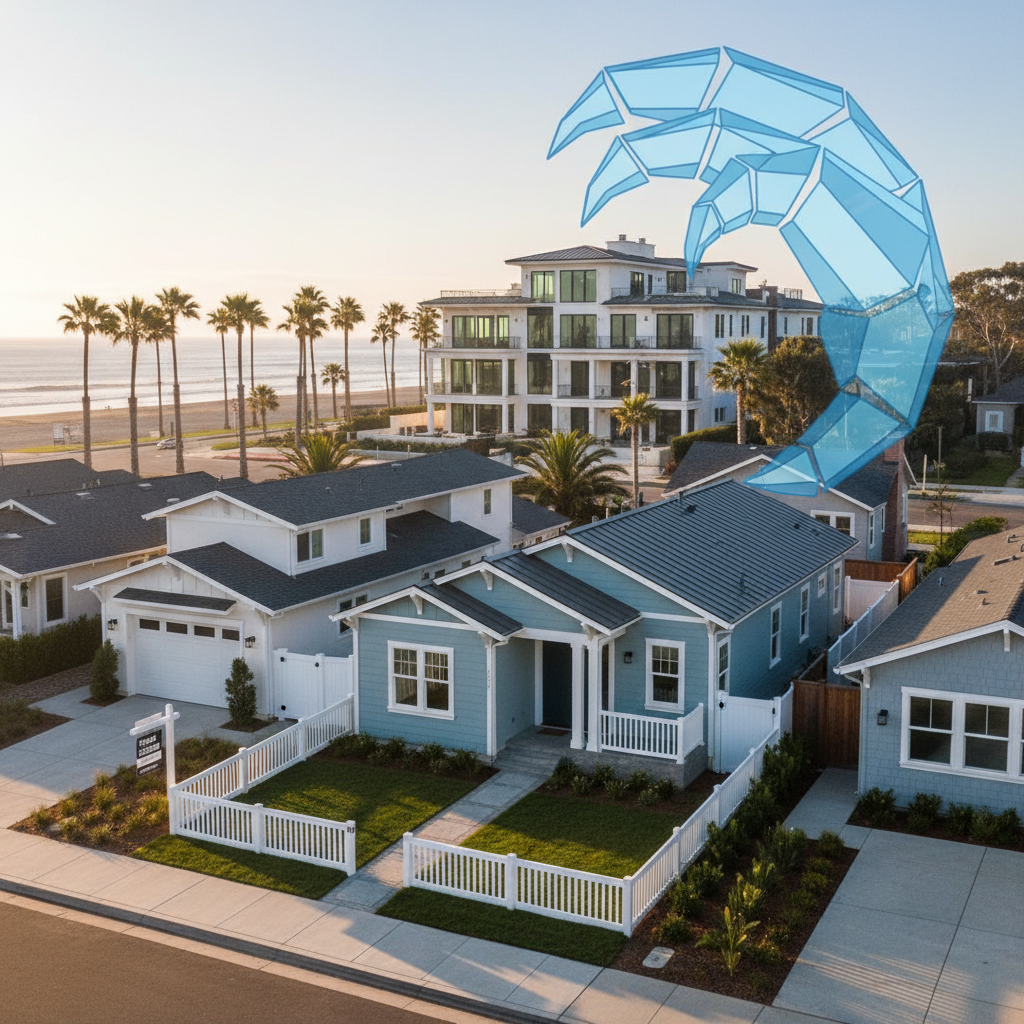
June 11, 2026 — A year after the implementation of the California Coastal Zone Housing Act (SB 1044), the real estate landscape in the state’s most coveted zip codes is undergoing a fundamental transformation. For the first time in a decade, the “investor-to-resident” ratio in cities like Santa Barbara, Malibu, and Laguna Beach has flipped in favor of long-term occupants. Data from the California Association of Realtors (CAR) released this week shows a 14.2% year-over-year increase in active listings across coastal counties, a surge directly attributed to the sunsetting of non-primary short-term rental (STR) licenses.
The Shift from Guest to Homeowner
The 2025 legislation required all short-term rentals to be registered in a statewide database and, more importantly, capped the number of days a non-owner-occupied unit could be rented in “high-density coastal zones” to just 30 days per year. The impact was immediate. According to MLS data, nearly 18,000 properties that functioned as full-time vacation rentals in early 2025 have hit the market as traditional sales in the last twelve months.
“What we are seeing is a massive liquidation of the 'micro-hotel' portfolio,” says Elena Rodriguez, a senior analyst at the California Housing Institute. “Investors who bought at 5% or 6% interest rates in 2023 and 2024 relied on high-nightly-rate yields. With the new caps, the math no longer pencils out, forcing a wave of 'turnkey' inventory into the hands of first-time and move-up buyers.”
Market Data: Inventory and Pricing
The influx of supply has cooled the frantic price appreciation that characterized the 2022-2024 period. In Monterey County, the median price for a two-bedroom cottage has softened by 5.8% since last June, even as the broader California market remains up by 2.1%. Key data points from the June 2026 report include:
- Days on Market (DOM): Coastal DOM has risen from 14 days to 42 days, giving buyers more room for inspections and contingencies.
- Inventory Concentration: 62% of the new coastal listings are condos or small single-family homes under 1,500 square feet — the traditional 'starter home' category.
- Price-to-Rent Ratio: In San Diego, the ratio has stabilized as STR-conversions increase the supply of long-term rentals, lowering local median rents by 4% and making homeownership more competitive against leasing.
The Investor Exit Strategy
Institutional and small-scale investors are not simply exiting the market; they are pivoting. The CAR report notes a significant uptick in “1033 Exchanges” (following the backyard condo law) where investors sell their coastal STRs to fund the construction of multi-unit ADUs in inland hubs like Riverside and Fresno. This migration of capital is helping to balance the state's inventory, moving speculative money away from sensitive coastal stock and into high-density residential development.
Practical Takeaways for Market Participants
- For Buyers: Look for “Fully Furnished” listings. Many former STR owners are selling properties with high-end furniture included to facilitate a quick exit. This can save a buyer upwards of $30,000 in move-in costs.
- For Sellers: If you are selling in a coastal zone, highlight the “Residential Character” of the neighborhood. With fewer transient guests, the value proposition has shifted back to community and quietude.
- For Investors: Focus on “Mid-Term” rentals (30+ days). The new regulations exempt stays longer than a month, making the corporate housing and “digital nomad” niche the new high-yield target in California.
As the “Coastal Clawback” continues, the 2026 summer season marks a pivotal moment for California. The state is effectively testing whether aggressive regulation of the sharing economy can successfully restore the dream of coastal homeownership for its permanent workforce.


