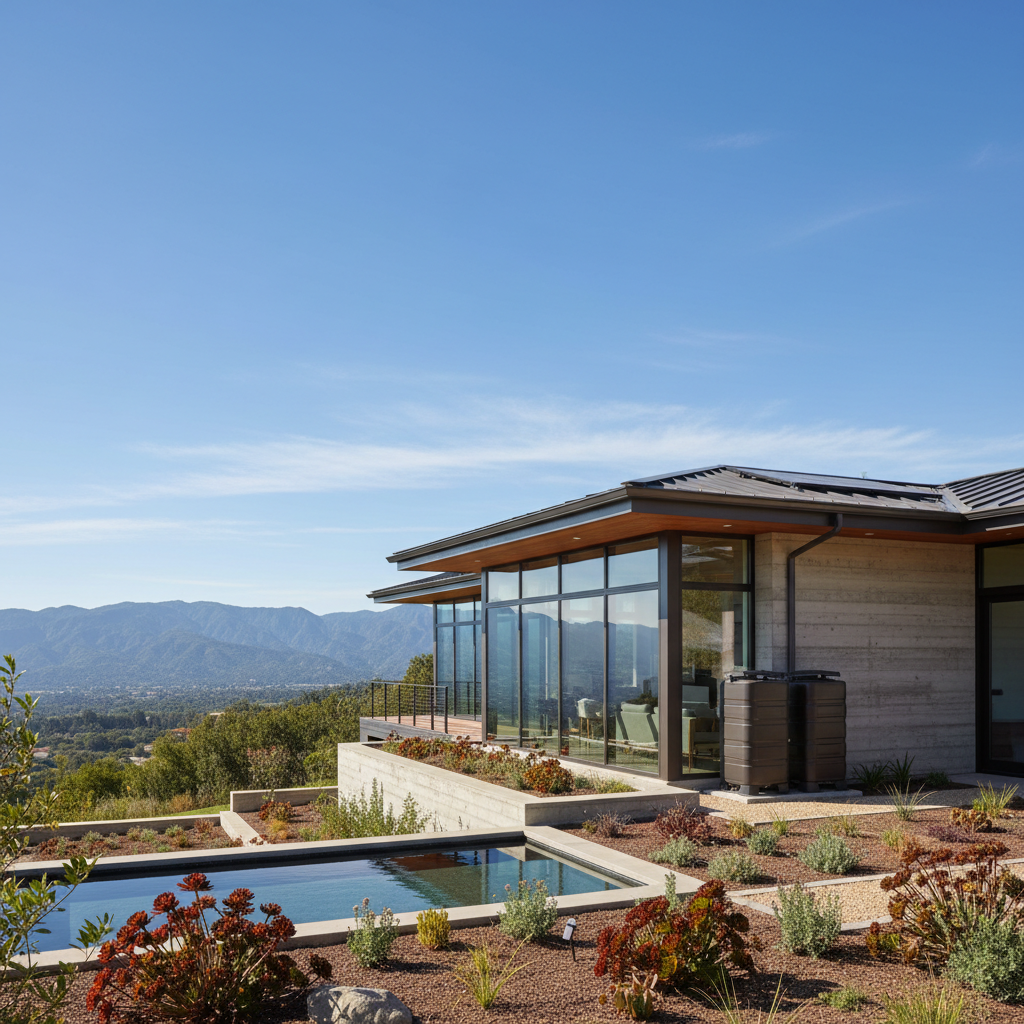
The 2026 Shift: From Aesthetics to Resilience
As of June 2026, the California real estate market has undergone a fundamental transformation. While staging and curb appeal remain important, the primary driver of high-value transactions is now 'Climate Resilience.' According to the California Association of Realtors (CAR) 2026 Mid-Year Forecast, homes with documented wildfire hardening and verified insurability are selling 14% faster and at a 7.5% premium compared to non-certified peers. Sellers must now position their property not just as a dream home, but as a secure, insurable asset.
1. The Pre-Listing 'Insurability Packet'
In the 2026 market, the biggest hurdle to closing is often the buyer's ability to secure an affordable HO-3 policy. Savvy sellers are now taking a proactive approach by preparing an 'Insurability Packet' before the first showing. This should include a current quote from the California FAIR Plan as a baseline, alongside any available private carrier quotes. Data from the California Department of Insurance shows that properties with pre-vetted insurance options see 30% fewer escrow cancellations. Practical takeaway: Hire an independent insurance broker to run a Comprehensive Loss Underwriting Exchange (CLUE) report on your property to identify and resolve any 'red flag' claims history before going to market.
2. Hardening the Asset: The IBHS Standard
Buyers in 2026 are looking for the Insurance Institute for Business & Home Safety (IBHS) 'Wildfire Prepared Home' designation. To maximize value, sellers should focus on two key areas: 1/8-inch non-combustible mesh screening on all vents and the creation of a 'Zone 0' (0-5 feet from the home) using non-combustible materials like gravel or stone. These upgrades, while costing relatively little compared to a full remodel, are yielding a 200% return on investment by unlocking lower insurance tiers and broader buyer pools in high-fire-threat districts.
3. The Decarbonization Value-Add
California's 2026 building standards and local reach codes have made electrification a major selling point. Properties featuring integrated battery storage (e.g., Tesla Powerwall 3 or equivalent) and heat pump water heaters are fetching premium prices from 'eco-conscious' and 'grid-independent' buyers. Census data from early 2026 indicates that 64% of California buyers prioritize energy-efficient infrastructure to offset rising utility costs. Sellers should highlight these features in the MLS with specific metrics on average monthly energy savings.
4. Strategic Marketing: The 'Protected Listing' Status
Move beyond traditional descriptions. In 2026, marketing copy should lead with resilience. Use terms like 'Seismically Retrofitted,' 'Zone 0 Compliant,' and 'Smart-Grid Ready.' When hosting open houses, provide a 'Resilience Ledger'—a simple one-sheet detailing the age of the roof, the type of ember-resistant venting installed, and the property’s current fire-wise community status. This transparency builds immediate trust and positions the home as a low-risk investment in an increasingly volatile climate landscape.
Actionable Takeaways for 2026 Sellers:
- Audit Your Insurance: Secure a 'letter of intent to insure' from at least one carrier to streamline the buyer’s mortgage process.
- Invest in Zone 0: Prioritize ember-resistant landscaping over cosmetic interior upgrades if the budget is limited.
- Quantify Savings: Provide 12 months of utility bills to demonstrate the ROI of solar or electrification upgrades.
- Obtain Certification: If applicable, secure an official IBHS or local Fire Safe Council certification to validate your hardening efforts.


