The Evolution of the California First Impression
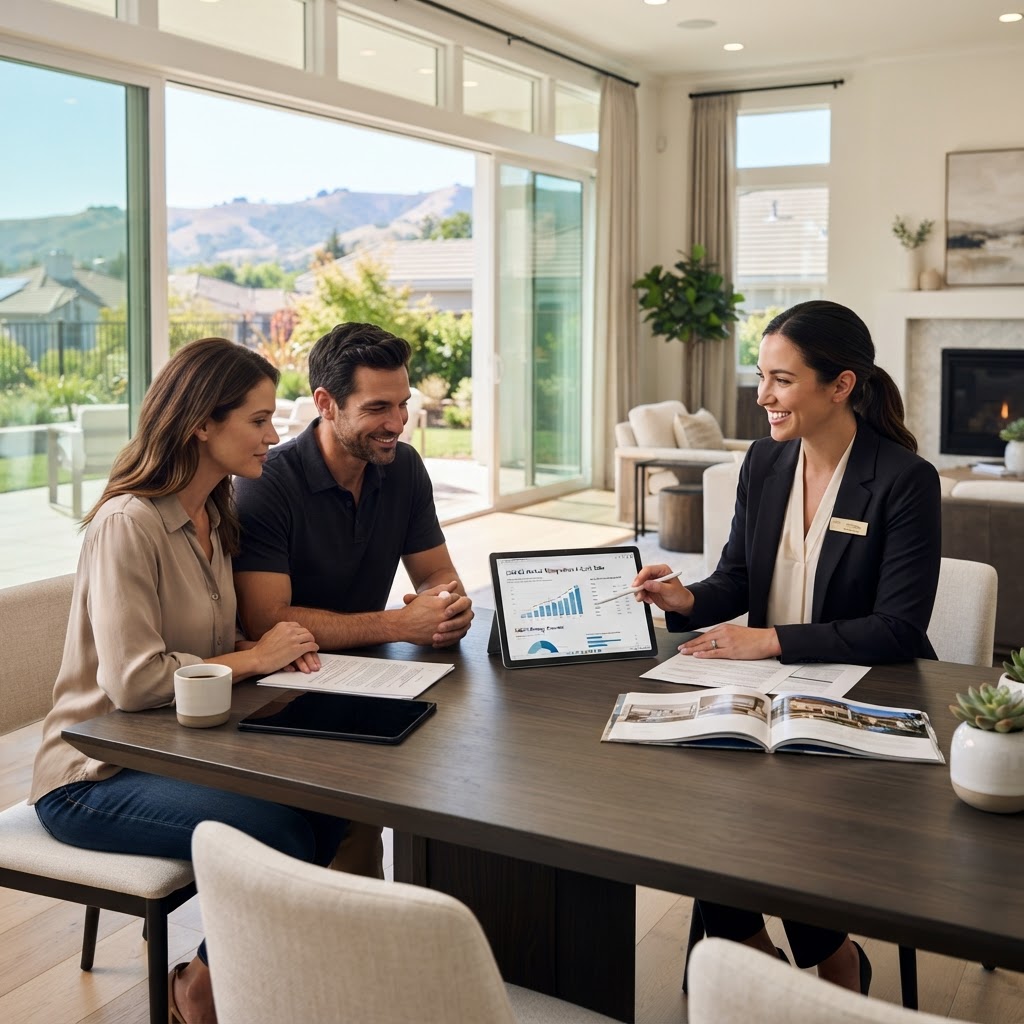
As of June 2026, the California real estate landscape has shifted from a volume-based market to a quality-centric one. With inventory levels stabilizing according to the California Association of Realtors (C.A.R.), the differentiating factor for sellers is no longer just location, but the 'Aesthetic Engineering' of the home. Today’s buyers, increasingly comprised of tech-native millennials and Gen Z professionals, are looking for turnkey environments that prioritize wellness and digital integration. Data from recent MLS transactions suggests that homes optimized for 'Smart-Wellness' fetch a 5.8% premium over non-optimized peers in major metros like Los Angeles, San Diego, and the Bay Area.
The Smart-Wellness Integration: The New Gold Standard
In 2026, basic smart home features like thermostats and doorbells are considered baseline requirements. To maximize value, California sellers must pivot toward integrated wellness systems. This includes medical-grade air filtration (HEPA-13), circadian rhythm lighting systems, and whole-home water purification. A 2025 CBRE study on residential trends highlighted that 72% of luxury buyers in the West Coast market listed 'indoor environmental quality' as a top-three priority. Sellers who can provide documented proof of these systems effectively move their property into a higher valuation tier, often bypassing the traditional price-per-square-foot ceiling of their neighborhood.
The Digital Twin: High-Fidelity Marketing Strategies
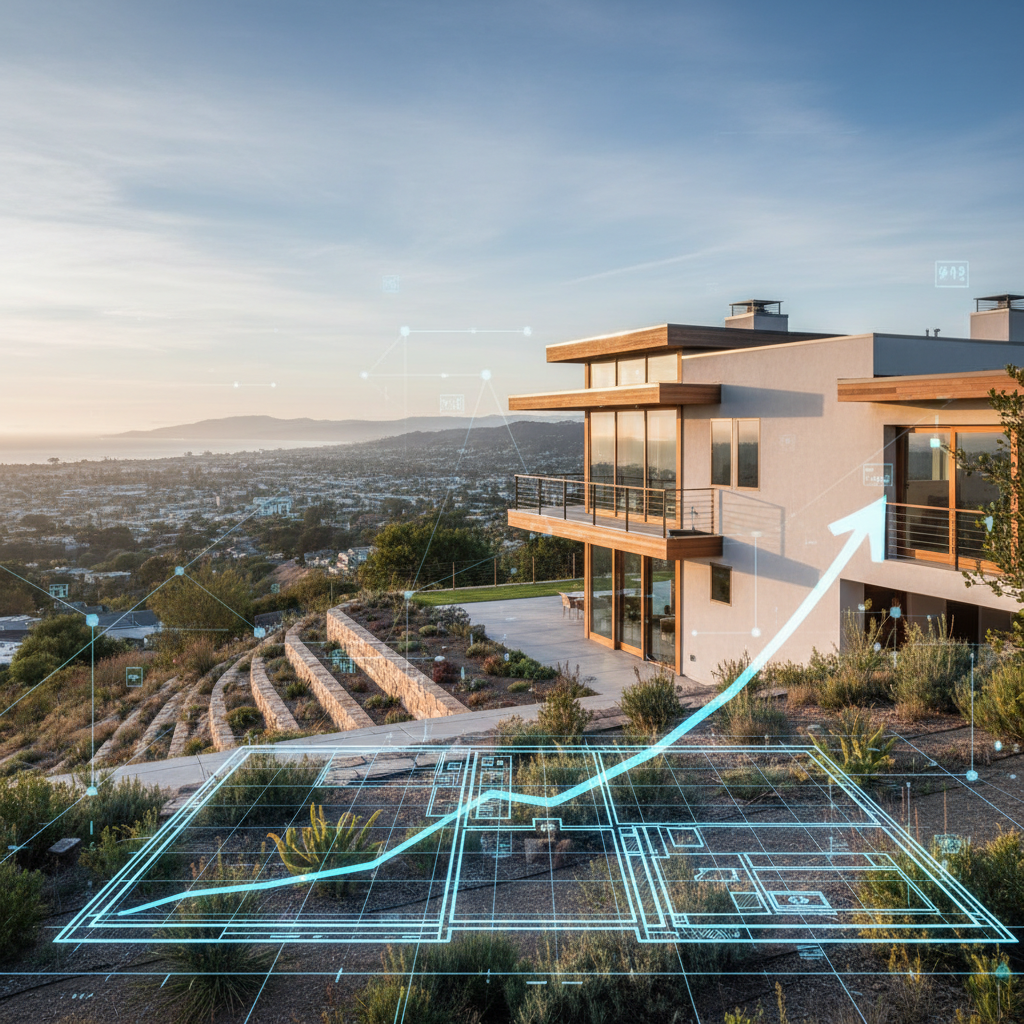
The traditional 2D photo gallery is obsolete in the 2026 California market. Practical preparation now involves creating a 'Digital Twin' of the property—a high-fidelity, interactive 3D model that allows remote buyers to simulate different lighting conditions and furniture layouts. This is particularly vital for the increasing number of international and out-of-state buyers targeting the California tech corridors. By leveraging AI-driven virtual staging that adapts to a buyer's specific stylistic preferences (e.g., Japandi, Industrial, or California Modern), sellers can create an emotional connection before the first physical walkthrough. NAR data indicates that listings featuring interactive digital twins see 40% more engagement and a 12% higher conversion rate from view to offer.
Biophilic Staging: Maximizing the Indoor-Outdoor Flow
California’s climate remains its greatest asset, but the 2026 approach to maximizing this value is 'Biophilic Design.' This goes beyond drought-tolerant landscaping to include living walls, seamless floor-to-ceiling transitions, and 'framed views' that treat the exterior as living art. When preparing a home, sellers should prioritize clearing sightlines to the outdoors. Practical data shows that properties emphasizing biophilic elements sell up to 15% faster in high-density areas. This strategy effectively 'expands' the perceived square footage of the home without the cost of a physical addition.
Tactical Takeaways for the 2026 Seller
- Audit Your Air and Water: Install and certify high-end filtration systems to appeal to the wellness-conscious buyer segment.
- Invest in a Digital Twin: Replace standard photography with a fully interactive 3D model to capture the attention of remote, high-net-worth investors.
- Curate Biophilic Elements: Use interior plants and natural textures to bridge the gap between indoor living and the California landscape, which statistically increases emotional offer values.
- Price with Precision AI: Work with brokers using predictive analytics to set a 'Dynamic Starting Price' that accounts for real-time demand shifts in your specific zip code.