The Maturity of the Portable Tax Basis
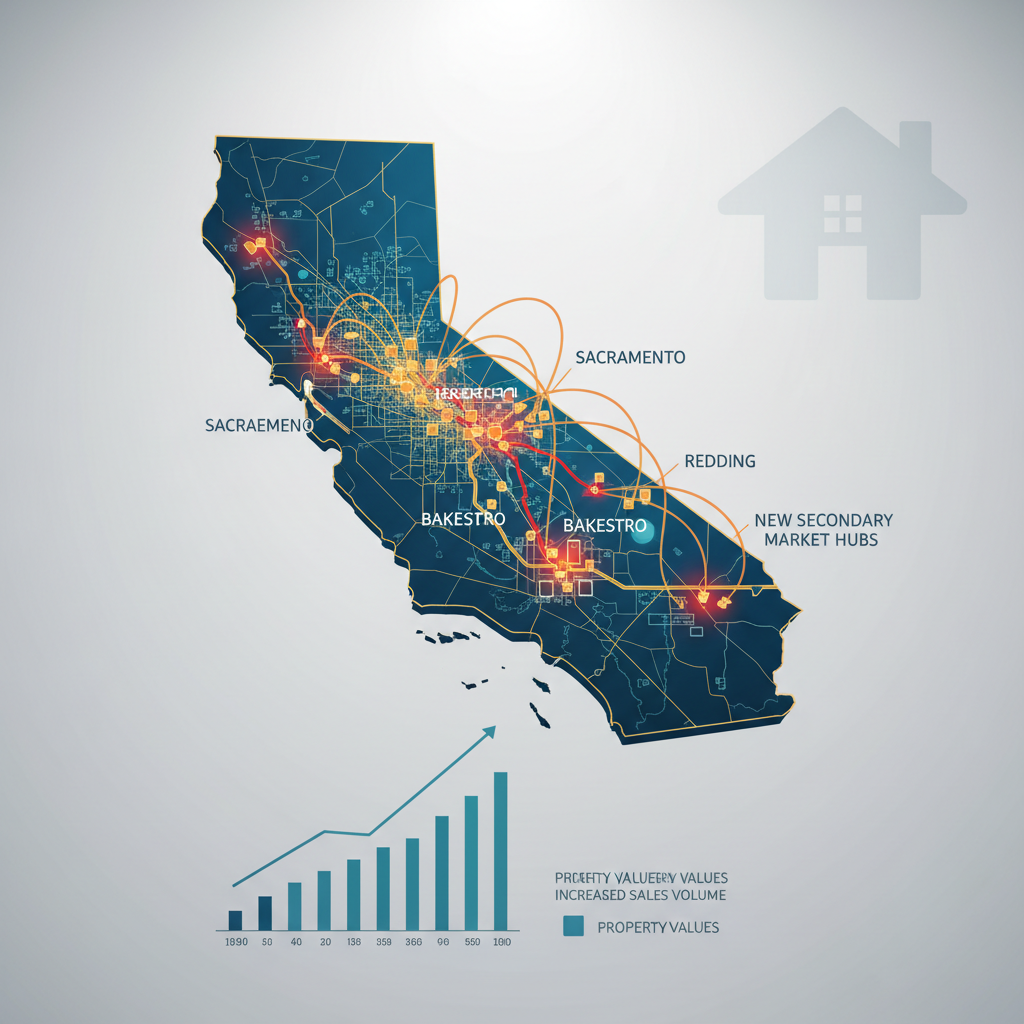
In mid-2026, the California real estate landscape is witnessing a structural shift that was set in motion years ago but has only now reached a critical mass: the Prop 19 Liquidity Effect. While the legislation allowing homeowners over 55 to transfer their tax basis anywhere in the state passed in 2020, it took half a decade of market cycles and the 2025-2026 'Inventory Thaw' for its full impact to manifest. According to recent data from the California Association of Realtors (CAR), inter-county tax basis transfers have surged by 18% year-over-year, signaling a strategic migration of equity from high-value coastal enclaves to the state’s interior corridors.
The 'Equity Dump' and the Rise of Receiver Cities
Unlike previous migrations driven by economic necessity, the 2026 trend is driven by tax efficiency. Long-time homeowners in San Francisco, West LA, and San Diego are leveraging their 'locked-in' 1990s-era property tax bases to purchase premium assets in secondary markets. This has created a surge in demand for 'Receiver Cities'—specifically the Inland Empire, the Sacramento suburbs, and the northern Central Valley. Census Bureau migration flow data indicates that for every homeowner leaving the Bay Area, nearly 40% are now staying within California but moving to lower-density, high-amenity inland hubs where their portable tax basis allows them to outbid local buyers for top-tier inventory.
Economic Analysis: The Narrowing Yield Spread
For investors, this migration is causing a notable compression in cap rates within secondary markets. CBRE's Q2 2026 report highlights that the yield spread between 'Tier 1' coastal multi-family assets and 'Tier 2' inland assets has narrowed to its tightest margin in a decade. As coastal equity floods into markets like Riverside, Roseville, and Fresno, property values in these regions are decoupled from local wage growth, instead tracking the wealth appreciation of the coastal hubs. This 'Wealth Export' is creating a new 'Middle Market' alpha, where the most significant gains are found in suburban assets that cater to affluent, tax-mobile retirees and semi-retired professionals.
Strategic Takeaways for 2026 Stakeholders
- For Investors: Focus on 'High-Amenity Suburbanism.' The Prop 19 mover is not looking for entry-level housing; they are looking for luxury finishes and low-maintenance lifestyle communities in historically more affordable zip codes. Target the 'Silver Suburbs' of the Inland Empire and Placer County.
- For Sellers in Secondary Markets: Position listings to appeal to out-of-area buyers. Marketing should emphasize 'Coastal Luxury Standards' at inland price points, as your primary buyer pool now includes equity-rich migrants from the coast.
- For Coastal Buyers: The exit of tax-portable seniors is finally providing the 'churn' necessary for coastal inventory. Monitor neighborhoods with high concentrations of long-tenured owners, as the Prop 19 trend is creating more entry-level opportunities in previously stagnant coastal pockets.
The 2026 market is no longer defined by where people *must* live for work, but where they *can* live while maintaining their legacy tax advantages. This portability is the new engine of California’s internal migration, turning secondary markets into the state's most dynamic growth engines.