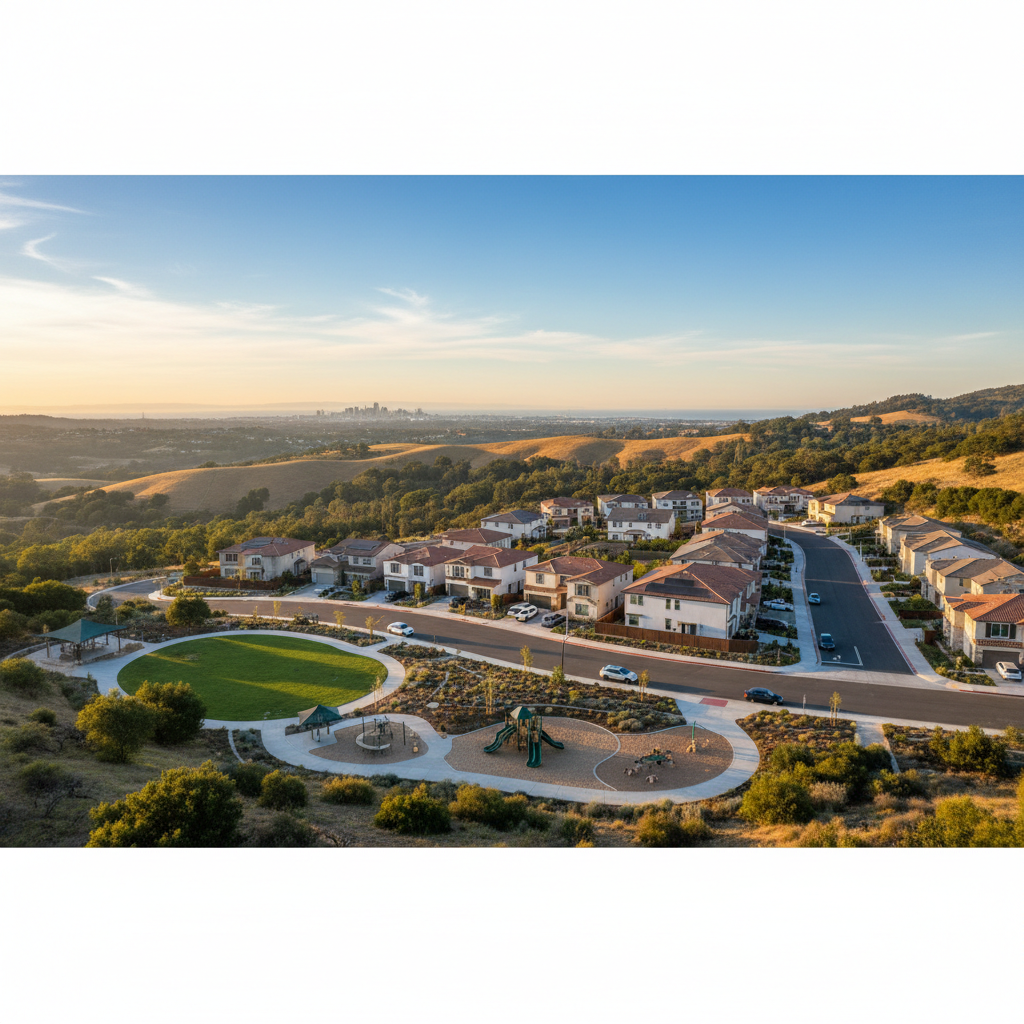
The Insurance Drought Ends: A New Era for the WUI Market
For the first time in five years, the 'For Sale' signs in California’s Wildland-Urban Interface (WUI) are no longer met with immediate financing rejection. As of June 5, 2026, the California Department of Insurance (CDI) reports that eight of the top ten national carriers have officially resumed writing new homeowners policies in high-risk ZIP codes, a direct result of the fully implemented 2026 Sustainable Insurance Strategy.
According to data from the California Association of Realtors (CAR), pending home sales in fire-prone regions like the Sierra Foothills, Ojai, and the Santa Cruz Mountains have jumped 14.2% year-over-year. The bottleneck that paralyzed these markets—a lack of affordable, private-market insurance—has finally begun to loosen, allowing buyers to move beyond the expensive and limited coverage of the FAIR Plan.
Data Points: The Shift in Risk Pricing
The stabilization follows the state’s transition to a 'Forward-Looking Catastrophe Model,' which replaced the antiquated 20-year historical average model in late 2025. This regulatory shift allowed carriers to price risk more accurately while mandating they cover a specific percentage of high-risk properties. Industry data reflects the following:
- Carrier Re-entry: 82% of ZIP codes previously deemed 'uninsurable' by private firms now have at least three competitive bidding options.
- FAIR Plan Reduction: Total enrollment in California’s insurer of last resort has dropped by 18% since January, the first significant decline in a decade.
- Premium Moderation: While rates remain 25% higher than 2021 levels, the average premium for new policies in WUI zones has stabilized with an average increase of only 2% over the last six months.
Impact on Property Values and Inventory
Real estate analysts at CBRE note that this 'Insurance Rebound' is creating a secondary inventory surge. Sellers who were 'insurance-locked'—unable to sell because buyers couldn't secure a mortgage without affordable coverage—are flooding the market. In El Dorado and Placer counties, active listings have reached their highest levels since 2019.
Investors are also returning to these areas, eyeing a 're-rating' of property values. As the risk of uninsurability fades, the discount previously applied to these homes is evaporating, leading to a projected 6-8% price appreciation in fire-risk zones by the end of Q3 2026.
Practical Takeaways for June 2026
For Buyers: The window for 'insurance-distressed' pricing is closing. Buyers looking in foothill or coastal canyon areas should secure a CLUE (Comprehensive Loss Underwriting Exchange) report and an insurance quote during the 17-day contingency period. With more carriers in the market, shopping around is now essential; premiums for the same property can vary by as much as $2,500 annually between providers.
For Sellers: To maximize value, homeowners should document all 'Hardening' efforts. Under the 2026 regulations, carriers are now legally required to offer premium credits for ember-resistant venting, Class A roofing, and 100-foot defensible space compliance. Providing a 'Mitigation Certificate' in the disclosure package can be the difference between a standard offer and a bidding war.
For Investors: Focus on 'orphan' properties that have been on the FAIR Plan for over three years. These assets often have deferred maintenance that, once addressed alongside a new private insurance policy, can unlock significant equity as the market normalizes.


