The Tax Base Revolution: Beyond the Listing Price
In the May 2026 California real estate landscape, equity levels have reached historic highs, yet many long-term homeowners remain 'locked in' by the fear of losing a decades-old property tax basis. While previous market cycles focused purely on the sale price, the 2026 strategic seller is increasingly focused on Proposition 19 portability. This California-specific mechanism allows homeowners 55 and older, or those with severe disabilities, to transfer their original tax basis to a new primary residence anywhere within the state.
According to data from the California Association of Realtors (C.A.R.), inventory remains 15% below the ten-year average, largely due to tax-basis hesitation. By utilizing a Prop 19 strategy, sellers can unlock their legacy equity without the penalty of a quadrupled tax bill on their next purchase.
Quantifying the Portability Advantage
The financial implications of a tax base transfer are often more significant than a $50,000 fluctuation in sale price. Consider a seller who purchased a home in 1995 for $300,000, now selling for $1.5 million in 2026. Under standard reassessment, a new purchase of equal value would trigger a property tax bill of approximately $18,000 annually. Through the Prop 19 Portability Play, that seller can maintain a tax bill closer to their original assessment (adjusted by 2% annually per Prop 13), potentially saving $12,000 to $15,000 per year in carrying costs.
The 'Value-Up' Provision
Unlike previous laws (Props 60/90), the 2026 seller can now purchase a replacement home of greater value. The 'Value-Up' provision allows the transfer of the original base, with only the difference between the sale price of the old home and the purchase price of the new home added to the tax roll. This flexibility is essential for sellers looking to upgrade to a more accessible or modern home in a higher-tier California neighborhood.
Preparing the Legacy Home for a 2026 Premium
To maximize the 'Portability Play,' the initial sale must be optimized to ensure the highest possible valuation for the 'base' being moved. In the current market, MLS data suggests that homes with 'turn-key' certifications—including updated electrical panels and fire-hardened landscaping—command a 7.2% premium over standard listings.
- Energy Benchmarking: With California’s 2026 energy standards, providing a pre-sale energy audit can justify a higher asking price, which in turn increases the 'ceiling' for your tax base transfer.
- Targeting the 'Move-Up' Buyer: Price your home to attract the demographic looking for a stable long-term asset, emphasizing that the home has been maintained under a legacy ownership mindset.
Strategic Timeline Management
The California Board of Equalization (BOE) requires that the replacement property be purchased within two years of the sale of the original primary residence. However, to ensure a seamless financial transition in 2026, sellers should consider the following steps:
- File the Claim Early: Submit form BOE-19-B with the county assessor immediately following the purchase of the replacement property.
- Coordinate the Concurrent Close: Work with an escrow officer familiar with Prop 19 to ensure the 'Notice of Sale' is filed correctly to trigger the transfer eligibility.
- Verify Primary Residency: Ensure both the sold property and the replacement property qualify as the owner's principal place of residence, as this is the cornerstone of the tax benefit.
Key Takeaways for the 2026 Seller
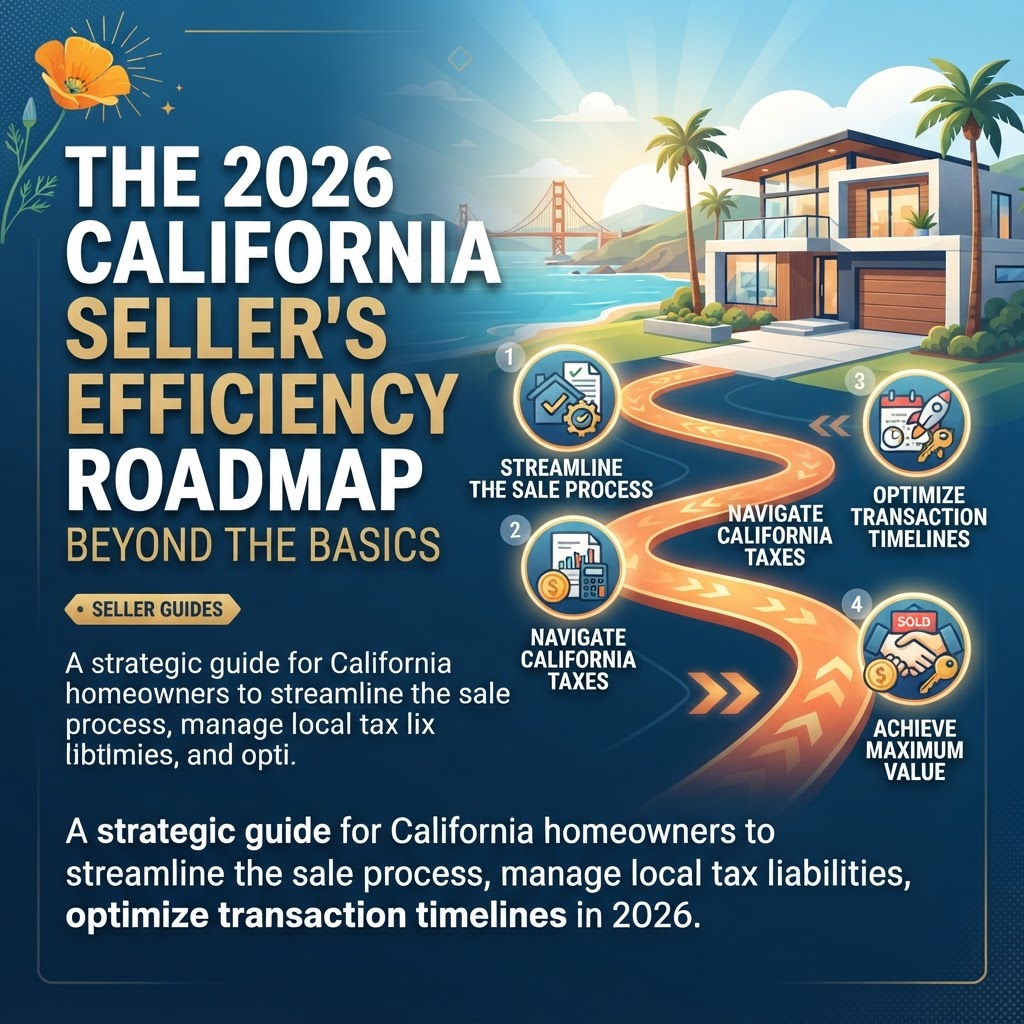
Selling a long-held California asset in 2026 requires more than a 'For Sale' sign; it requires a tax-efficient exit strategy. To succeed, sellers must consult with a tax professional to confirm their specific eligibility and ensure that the sale price of the replacement property aligns with the 'Value-Up' calculations. By removing the tax-hike barrier, sellers can finally move to a home that fits their current lifestyle while preserving the wealth they have built over decades of California homeownership.