The 2026 Renaissance of West Adams
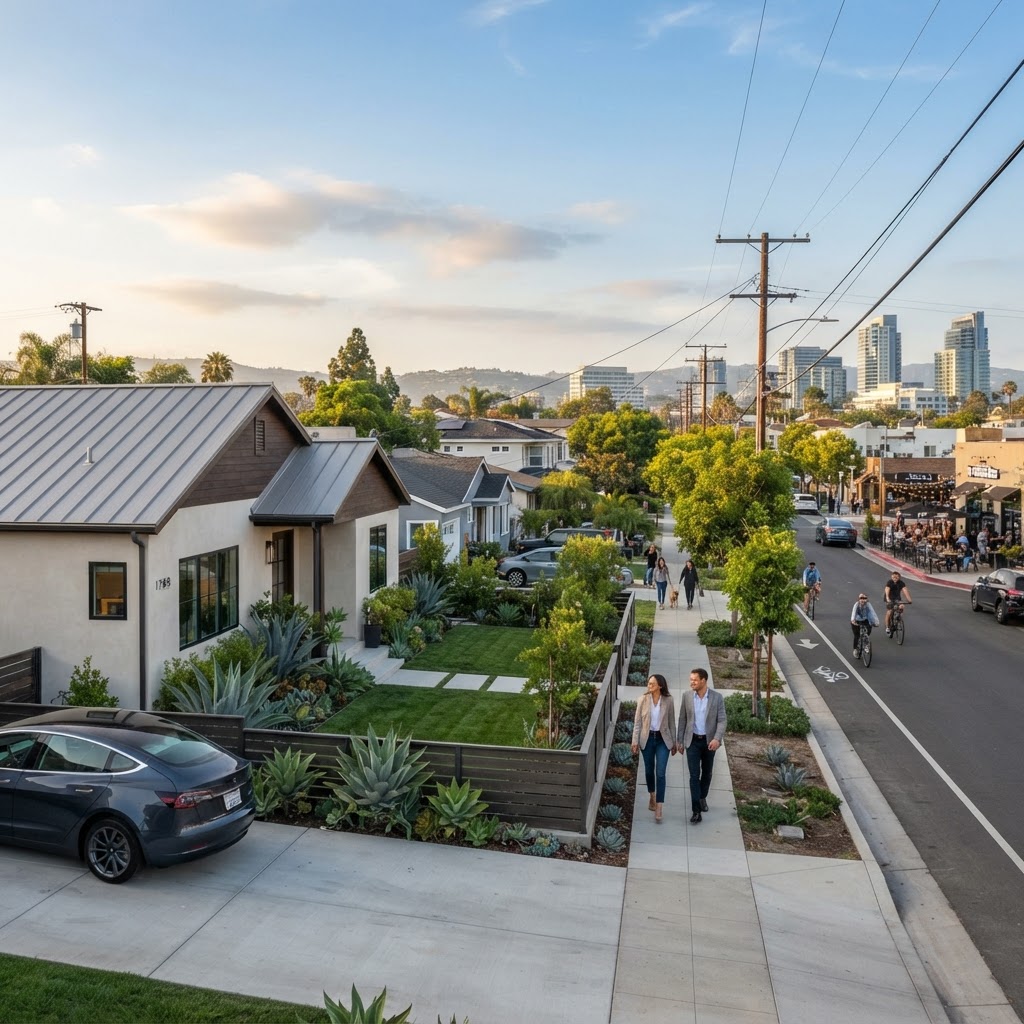
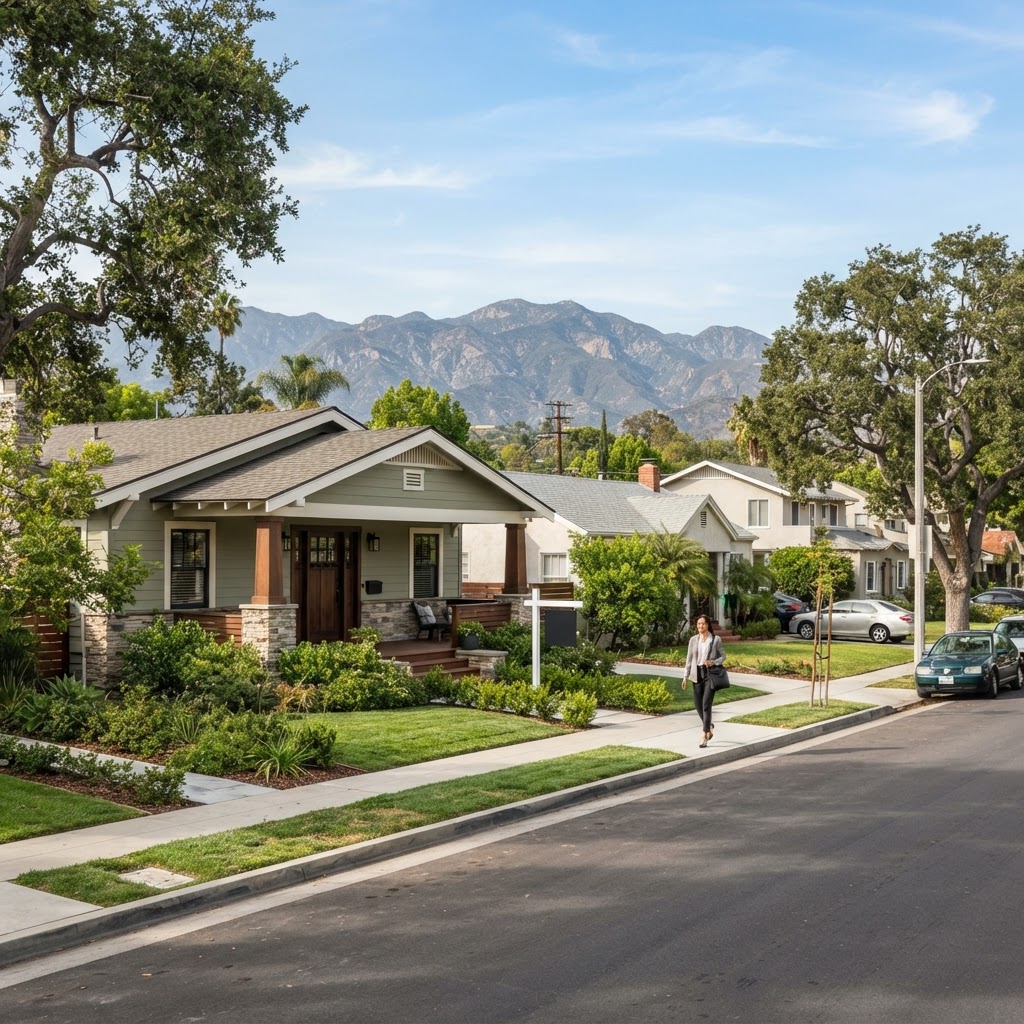
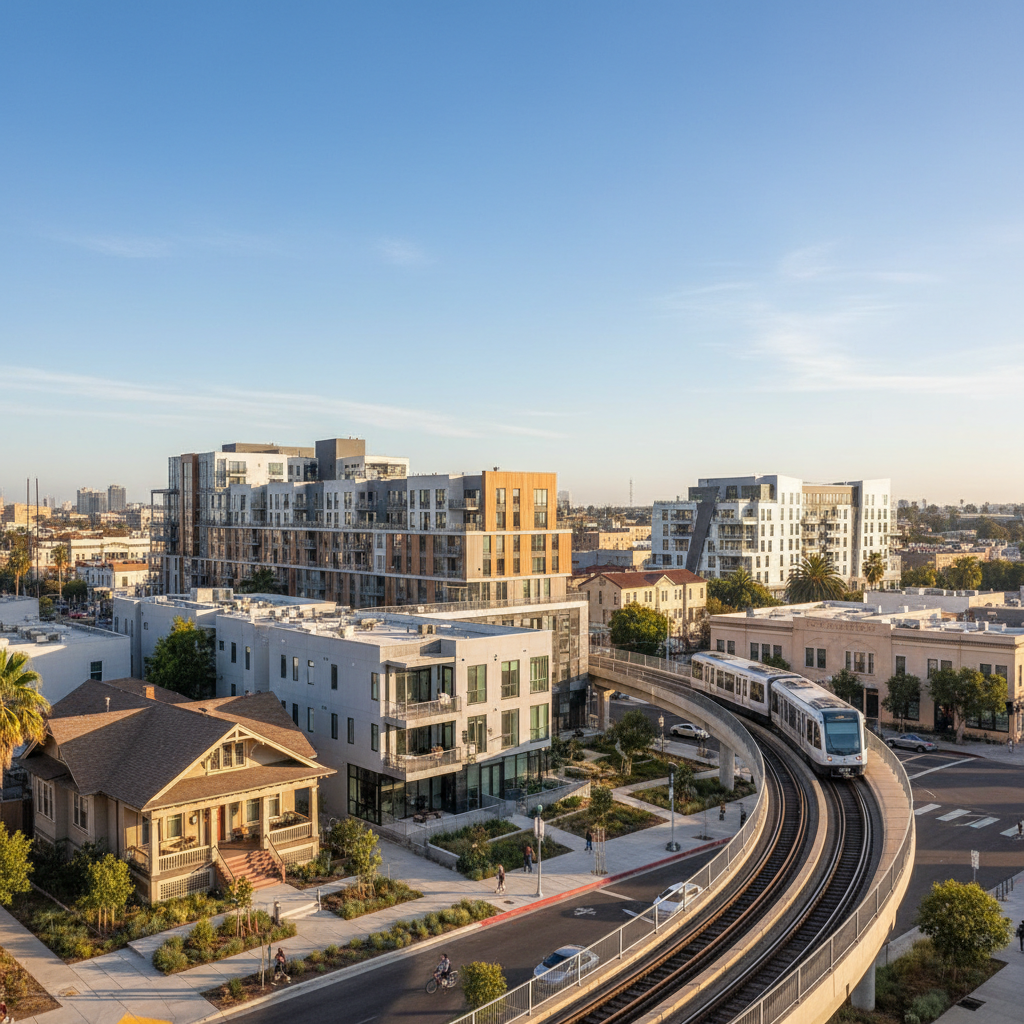
In the landscape of Los Angeles real estate, few neighborhoods have undergone a transformation as nuanced as West Adams. By mid-2026, the area has moved past its 'up-and-coming' label to become a stabilized anchor of the Mid-City corridor. Unlike the glass-and-steel verticality of Mission Bay or the sprawling master-plans of Ontario Ranch, West Adams offers a 'missing middle' density model that preserves its Craftsman and Victorian heritage while integrating modern transit-oriented development (TOD).
The Transit Catalyst: K Line and E Line Synergy
The defining feature of West Adams in 2026 is its unmatched connectivity. The full integration of the K Line (Crenshaw/LAX) with the existing E Line (Expo) has created a transit 'super-hub' at the Expo/Crenshaw station. According to 2025 Metro ridership data, this intersection has seen a 22% increase in commuter traffic, as professionals working in the Silicon Beach tech corridor or Downtown LA opt for the 15-minute rail commute over the congested I-10 freeway. This 'transit-first' lifestyle has become a primary driver for property values within a half-mile radius of the stations.
Economic Anchors: The Spillover Effect
West Adams has benefited significantly from the 'Culver City Spillover.' With Apple, Amazon, and Warner Bros. Discovery occupying millions of square feet of office space in neighboring Culver City, West Adams has become the residential preferred choice for the creative class. Data from CBRE (Q1 2026) indicates that while office vacancies remain a concern in traditional CBDs, the creative adaptive-reuse projects along West Adams Boulevard—such as the repurposed industrial warehouses now housing boutique agencies and production houses—maintain a 94% occupancy rate.
Real Estate Dynamics: Scarcity and Style
The housing market in West Adams is characterized by a dual-track inventory. On one hand, historic preservation zones (HPOZs) maintain the architectural integrity of the neighborhood’s iconic 1920s bungalows. On the other, the 2026 market is defined by 'Small Lot Subdivisions' and Accessory Dwelling Units (ADUs). MLS data shows that the median sales price in West Adams has stabilized at $1.25 million, representing a 6.8% year-over-year increase, outperforming the broader LA County average of 4.2%.
- Education: The neighborhood is served by the highly-rated Los Angeles Center for Enriched Studies (LACES) and several burgeoning charter schools that have attracted young families back to the urban core.
- Amenities: The culinary scene has shifted from pop-ups to Michelin-recognized anchors. Developments like 'Crenshaw Crossing' have introduced high-end grocery options and public plazas that serve as community gathering points.
- Green Space: Proximity to the Ballona Creek Bike Path and the newly expanded urban pocket parks provides the outdoor connectivity that modern buyers demand.
Investor and Buyer Takeaways
For those looking to enter the West Adams market in 2026, the strategy has shifted from speculation to long-term yield. Investors should focus on R2 and R3 zoned lots that allow for multi-unit 'mansionized' apartments, which are seeing high demand from the 'renter-by-choice' demographic. Buyers are encouraged to look at the 'West of Crenshaw' pockets where pricing remains slightly more competitive but benefits from the same infrastructure improvements. Sellers can leverage the neighborhood's unique 'historic-tech' identity, which appeals to a demographic that values character over the cookie-cutter aesthetics of new suburban developments.
The Outlook
As we look toward the 2028 Olympics, West Adams stands as a blueprint for Los Angeles’ future: a neighborhood that respects its past while leaning aggressively into a transit-connected, densified, and economically diverse urban reality. It is no longer just a place to watch; it is the place where the new LA lifestyle has taken root.