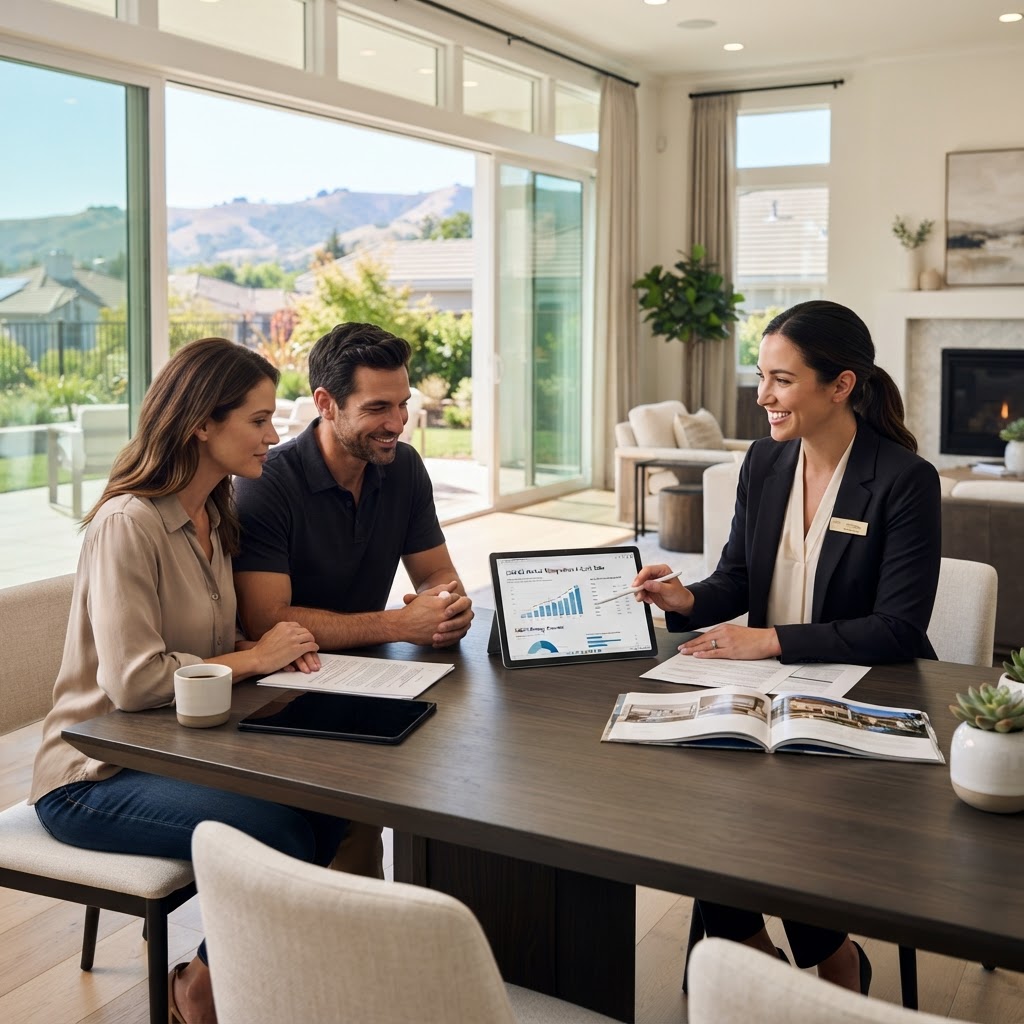
Reimagining the California Sale in 2026
As we enter the late spring market of 2026, the California real estate landscape has transitioned from the inventory-starved frenzy of years past into a more nuanced, value-driven environment. Data from the California Association of Realtors (C.A.R.) indicates that while median home prices have stabilized, the 'days on market' metric is increasingly bifurcated: turn-key homes with modern infrastructure are moving 40% faster than those requiring immediate capital expenditure. To maximize equity in this climate, sellers must move beyond basic maintenance and employ a strategic value-add matrix that targets the specific demands of the 2026 buyer.
The Tech Infrastructure Baseline: EV and Connectivity
In 2026, a home’s digital and electrical infrastructure is no longer a luxury—it is a baseline requirement for high-value offers. With California’s mandate for zero-emission vehicle sales approaching, 2026 buyers prioritize homes with pre-installed Level 2 EV charging stations. According to recent MLS data trends, homes featuring dedicated 240V charging circuits in the garage command a 1.5% premium over comparable listings without them. Furthermore, the rise of permanent hybrid work models across Silicon Valley and the Silicon Beach corridors has made 'Gigabit Readiness' a top-three search filter. Sellers should verify and market their home’s fiber-optic compatibility and integrated Wi-Fi 6E mesh networking to appeal to high-earning remote professionals.
The Biophilic Premium: Maximizing the Indoor-Outdoor Flow
The 2026 California buyer views the backyard not as an amenity, but as an essential extension of the primary living space. The highest ROI currently comes from 'biophilic' cosmetic updates—designing with nature in mind. This includes installing floor-to-ceiling sliders or bifold doors that erase the boundary between the living room and the patio. Industry reports from firms like CBRE suggest that homes emphasizing 'seamless transition' layouts see a significantly higher appraisal value in suburban markets like Orange County and the East Bay. Enhancing this with drought-tolerant, low-maintenance hardscaping ensures the home remains attractive under California’s evolving water usage guidelines without sacrificing curb appeal.
Lifestyle Data: Positioning Beyond the Four Walls
In a market where buyers are sensitive to monthly carrying costs, the 'Neighborhood Narrative' becomes a powerful selling tool. Sellers should provide a 'Lifestyle Dossier' in their marketing materials. This goes beyond school scores to include walkability metrics to local transit hubs, proximity to regional bike paths, and data on local micro-economies. If your property is within a 15-minute 'active transport' radius of major employers or retail centers, highlight this as a hedge against future fuel volatility. This data-backed storytelling justifies a higher price point by selling the long-term utility of the location.
Strategic Cosmetic Capital: Where to Spend
Prioritize 'High-Touch' surfaces over structural overhauls. In 2026, the 'Quiet Luxury' aesthetic dominates California interiors. This means replacing dated, high-gloss granite with matte-finish quartz or sintered stone, and swapping out generic hardware for cohesive, designer-grade fixtures. These relatively low-cost updates create a psychological sense of 'newness' that allows buyers to envision a move-in ready experience, reducing their perceived risk and increasing their willingness to compete in a multiple-offer scenario.
Practical Takeaways for 2026 Sellers
- Install Level 2 EV Charging: Spend the $500–$1,500 now to secure a 1-2% price premium.
- Audit Your Connectivity: Ensure your home is marketed as 'Fiber Ready' with mesh-network dead zones eliminated.
- Refresh the Transition Zones: Focus on the entryways and patio exits; these are the 'first impression' areas that define the indoor-outdoor lifestyle.
- Market the Micro-Location: Use data from WalkScore and local transit authorities to build a narrative of convenience and sustainability.