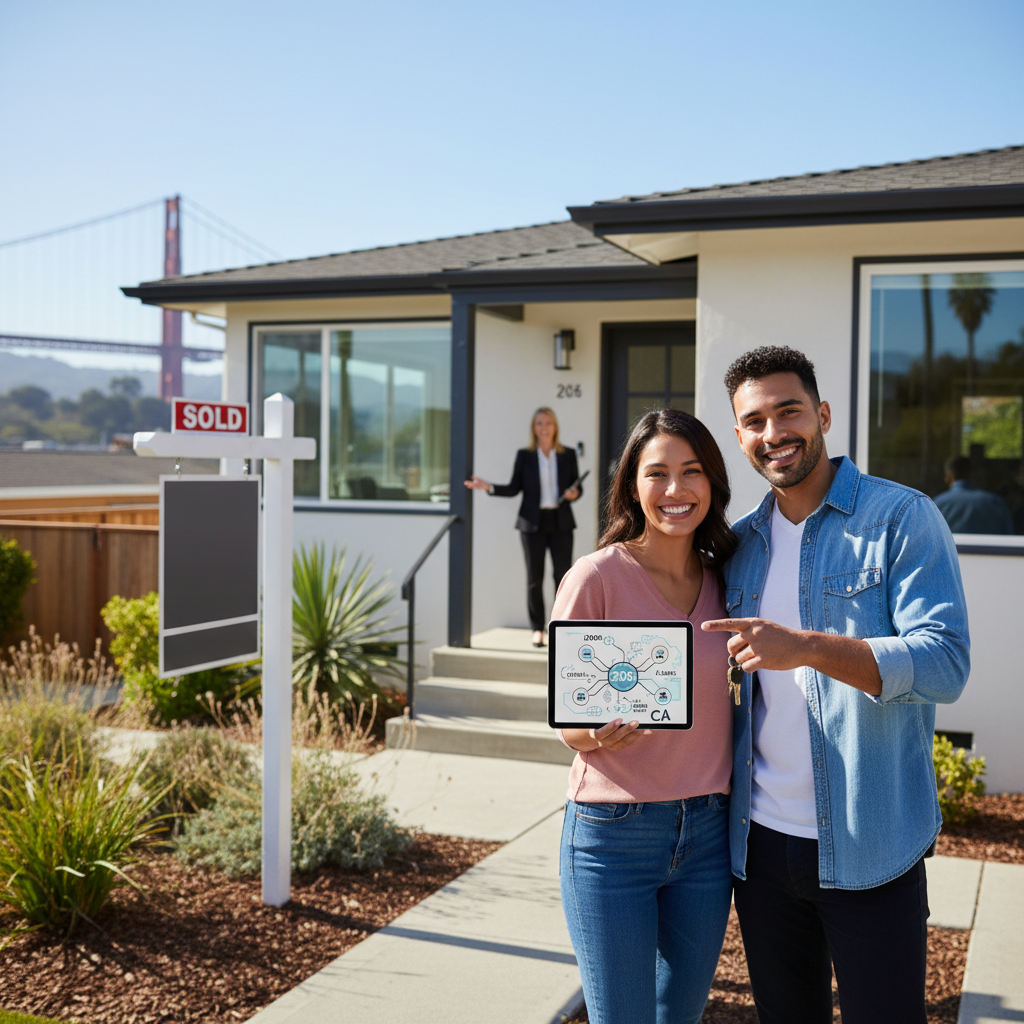
The New Affordability Frontier
As of May 2024, the California Association of Realtors (CAR) reported that only 15% of households could afford a median-priced home. Fast forward to May 2026, and while inventory has seen a marginal 4% increase due to zoning reforms, price appreciation remains a significant barrier. For the modern California buyer, the path to homeownership no longer relies solely on personal savings but on a sophisticated 'stacking' of state and local Down Payment Assistance (DPA) programs.
The 2026 CalHFA Landscape
The California Housing Finance Agency (CalHFA) remains the cornerstone of buyer support. In 2026, the 'Dream For All' Shared Appreciation Loan has evolved into a recurring lottery-based system to manage high demand. Unlike traditional loans, this program provides up to 20% of the home’s purchase price for a down payment, with the homeowner repaying the original loan plus a share of the home’s appreciated value upon resale. Data from the 2025 CalHFA Annual Report suggests that buyers utilizing this program were able to lower their monthly mortgage payments by an average of $1,200 compared to those using standard 3.5% down FHA products.
Strategic Stacking: State and Municipal Synergy
One of the most underutilized tactics in 2026 is the layering of municipal grants on top of state-level assistance. Cities like Sacramento, Oakland, and Long Beach have introduced 'Locality Vouchers' funded by regional housing bonds. Practical Takeaway: Buyers should consult the 'HUD LIFT' database to identify if their target census tract qualifies for a zero-interest secondary lien that can be combined with CalHFA’s MyHome Assistance Program, which currently offers up to 3.5% in closing cost support.
Income Limits and the 'Missing Middle'
A common misconception is that assistance is only for low-income earners. In 2026, many programs have adjusted their limits to 120% or even 150% of the Area Median Income (AMI) to support 'missing middle' workers such as teachers and healthcare professionals. For instance, in San Francisco County, the AMI for a family of four exceeds $150,000, yet buyers earning up to $225,000 may still qualify for specific First-Time Homebuyer Bond programs. Buyers must verify their 'Homebuyer Education' certification early, as most 2026 programs require a standard eight-hour HUD-approved course before an offer is even submitted.
The Shared Equity Trade-Off
While DPAs provide the capital necessary to enter the market, they come with long-term equity implications. Under the 2026 Shared Appreciation models, if your home appreciates by $200,000, you may owe the state $30,000 to $40,000 of that gain. However, in a market where rents are increasing at a 5% annual clip, the 'forced savings' of a mortgage and the tax benefits of homeownership often outweigh the shared equity costs. Actionable Step: Use a 10-year projection tool to compare the Net Present Value (NPV) of a shared equity purchase versus continued renting; for 82% of California coastal zip codes, the purchase remains the superior wealth-building vehicle.
2026 Buyer Checklist for DPA Success
- Get Certified Early: Complete your HUD-approved homebuyer education 90 days before your search.
- Check Census Tract Eligibility: Some programs are 'place-based' and offer higher assistance in designated revitalization zones.
- Find a DPA-Specialist Lender: Not all loan officers are approved to handle CalHFA or local municipal liens; ensure your lender has a specific 'DPA Coordinator' on staff.
- Audit Your Debt-to-Income (DTI): Most assistance programs in 2026 capped the allowable DTI at 45%, making early debt pay-down essential.


