The Physical Reality of State Mandates
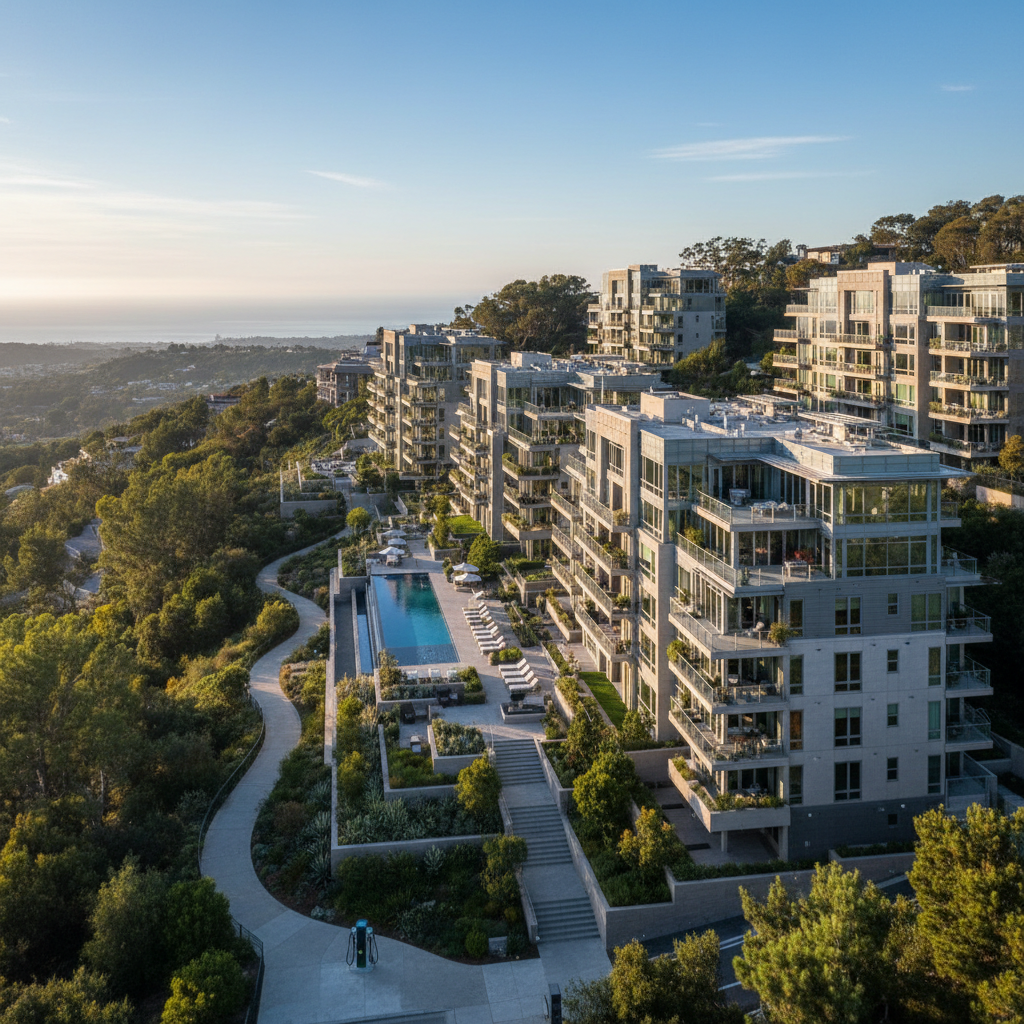
For years, the 'Builder’s Remedy'—a provision in California’s Housing Accountability Act that allows developers to bypass local zoning in cities without certified housing elements—was largely a theoretical threat or a legal footnote. As of May 23, 2026, that threat has materialized into steel and glass. In historically restrictive enclaves like Beverly Hills, Atherton, and Huntington Beach, the first wave of high-density luxury towers and mid-rise complexes is nearing completion, fundamentally shifting the valuation metrics of the state’s most expensive neighborhoods.
The Exclusivity Premium Under Pressure
Data from the California Association of Realtors (CAR) and local MLS services indicates a notable shift in how 'exclusivity' is priced. Historically, single-family homes in these zip codes commanded a premium based on scarcity and the low-density character of the neighborhood. However, since the first 'remedy' projects broke ground in 2024, the inventory of luxury units in these areas has increased by an average of 14% year-over-year. As a result, the 'privacy premium'—the extra amount buyers pay for isolation—has seen a 7.5% contraction in neighborhoods where high-density projects are now within a three-block radius.
Yields and Zoning: The Investor Shift
The California Department of Housing and Community Development (HCD) reports that over 18,000 units are currently under construction across the state specifically via Builder’s Remedy applications. For investors, this represents a pivot from luxury house-flipping to 'urban infill' yields. According to CBRE research, these new luxury multi-family projects are achieving internal rates of return (IRR) 200 basis points higher than traditional suburban developments, primarily due to the prestige of the locations and the lack of traditional development hurdles like floor-area-ratio (FAR) restrictions.
Practical Takeaways for Market Participants
For Sellers
If your property is located in a city currently under HCD scrutiny or operating under a non-compliant housing element, realize that your neighbor’s lot may no longer be restricted to a single-family home. Assess your property's value not just as a residence, but as potential high-density land. The highest and best use for luxury lots in these zones is rapidly shifting toward redevelopment.
For Buyers
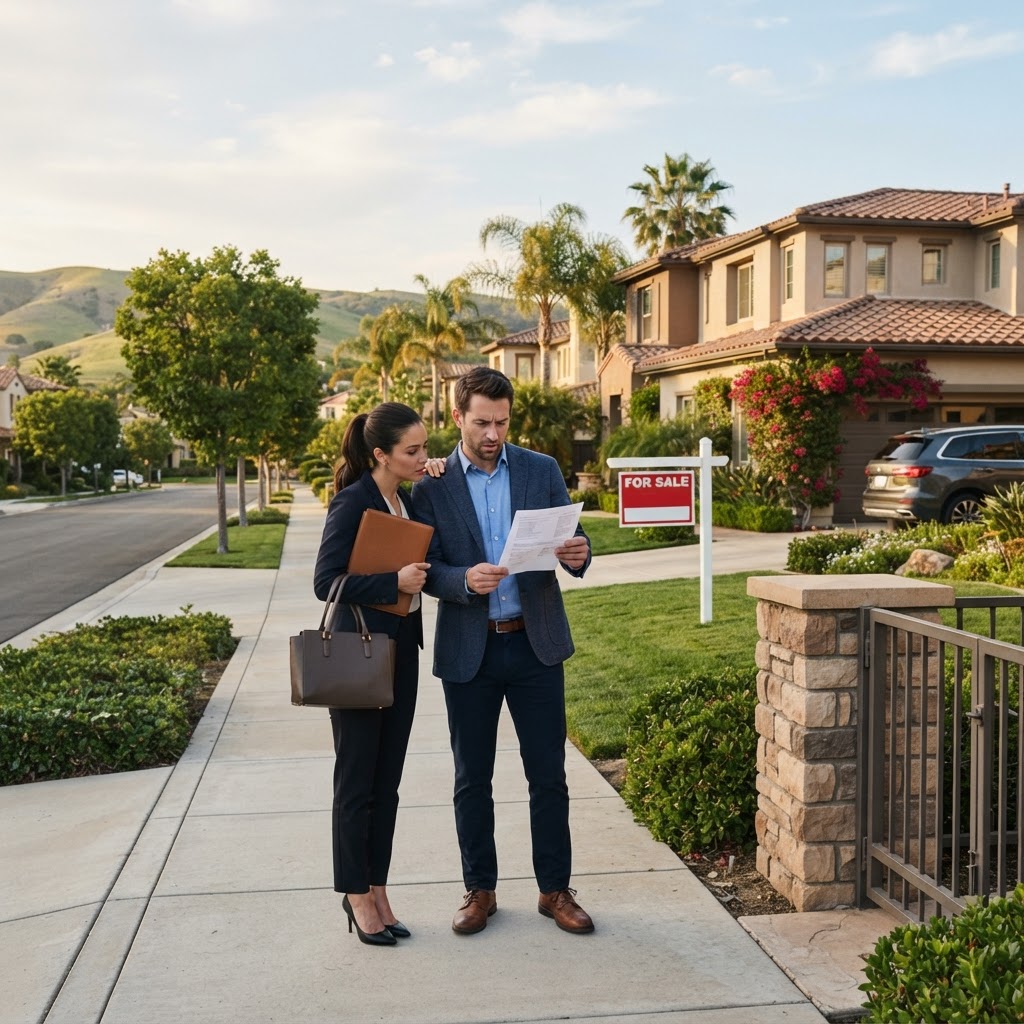
Due diligence now requires a deep dive into the city's Housing Element status. A 'quiet' street in 2026 may be home to a 20-unit luxury condo project by 2028 if the municipality has lost zoning control. Use this as a negotiation lever if you are seeking a traditional quietude that is no longer guaranteed by local law.
For Investors
The window for the most aggressive Builder’s Remedy projects may be narrowing as more cities finally achieve HCD compliance to regain control. The 'first-mover' advantage belongs to those who acquired non-compliant sites between 2023 and 2025; however, secondary market acquisitions of 'remedy-entitled' land still offer significant upside compared to traditional residential assets.
Conclusion
The era of local zoning as an absolute shield for California’s wealthiest neighborhoods has ended. As these projects come online throughout the remainder of 2026, the market will continue to see a democratization of high-value zip codes, trading historical exclusivity for much-needed density and modern luxury infrastructure.