The Evolution of the Sustainable Suburb
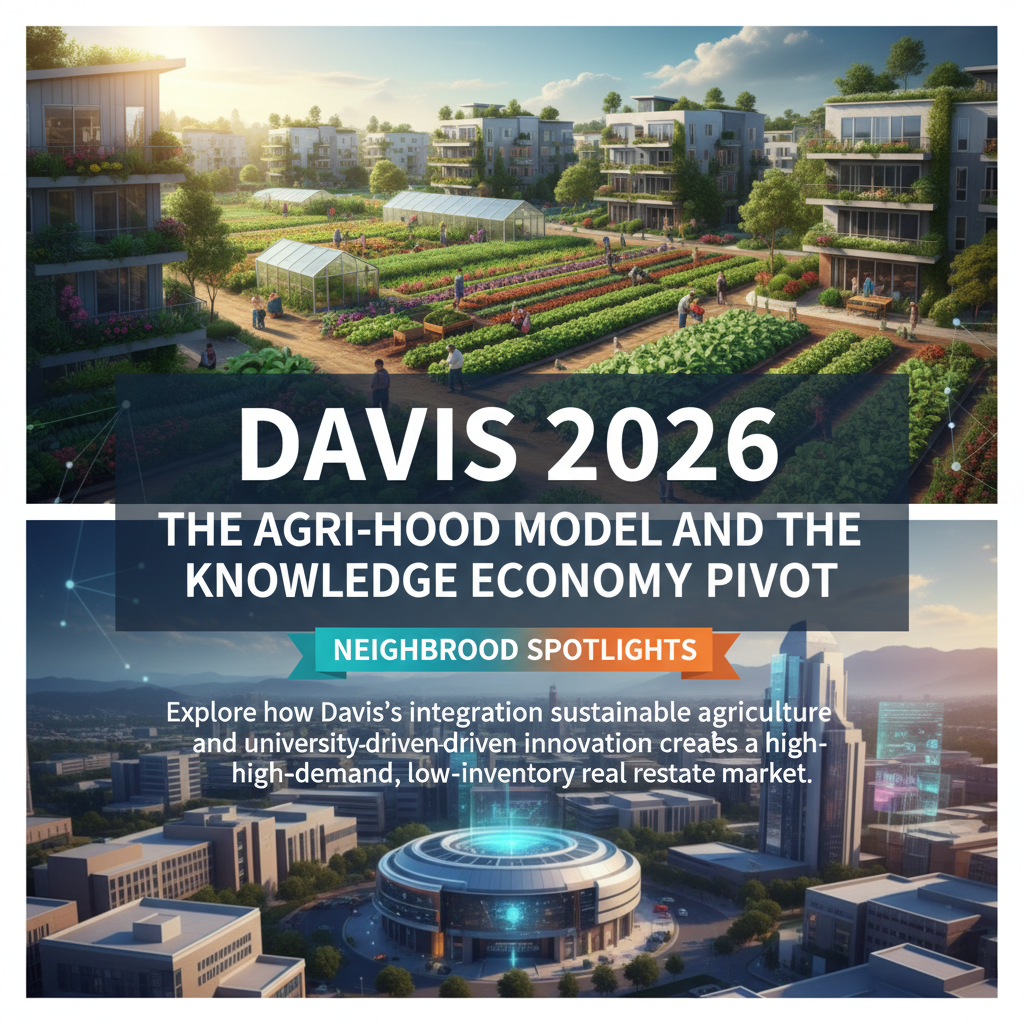
As California enters the second half of the decade, the housing market has shifted its focus from mere density to 'livability metrics.' Nowhere is this more evident than in Davis, specifically within the North Davis corridor and the landmark 'The Cannery' development. In 2026, Davis has transitioned from a traditional university town into a global prototype for the 'Agri-hood'—a residential model centered around functional urban agriculture, carbon neutrality, and a high-IQ workforce.
The Power of the University Anchor
The primary driver of Davis’s economic resilience remains UC Davis. According to 2025 Census Bureau data and recent university enrollment reports, the institution continues to act as a recession-proof engine, supporting a local vacancy rate that has hovered below 2% for over a decade. The expansion of the Aggie Square innovation hub in nearby Sacramento has created a 'knowledge corridor' effect, where faculty and researchers prefer the quiet, high-amenity environment of Davis while commuting via the expanded electric shuttle fleets or the Amtrak Capitol Corridor.
Infrastructure: The 15-Minute City in Practice
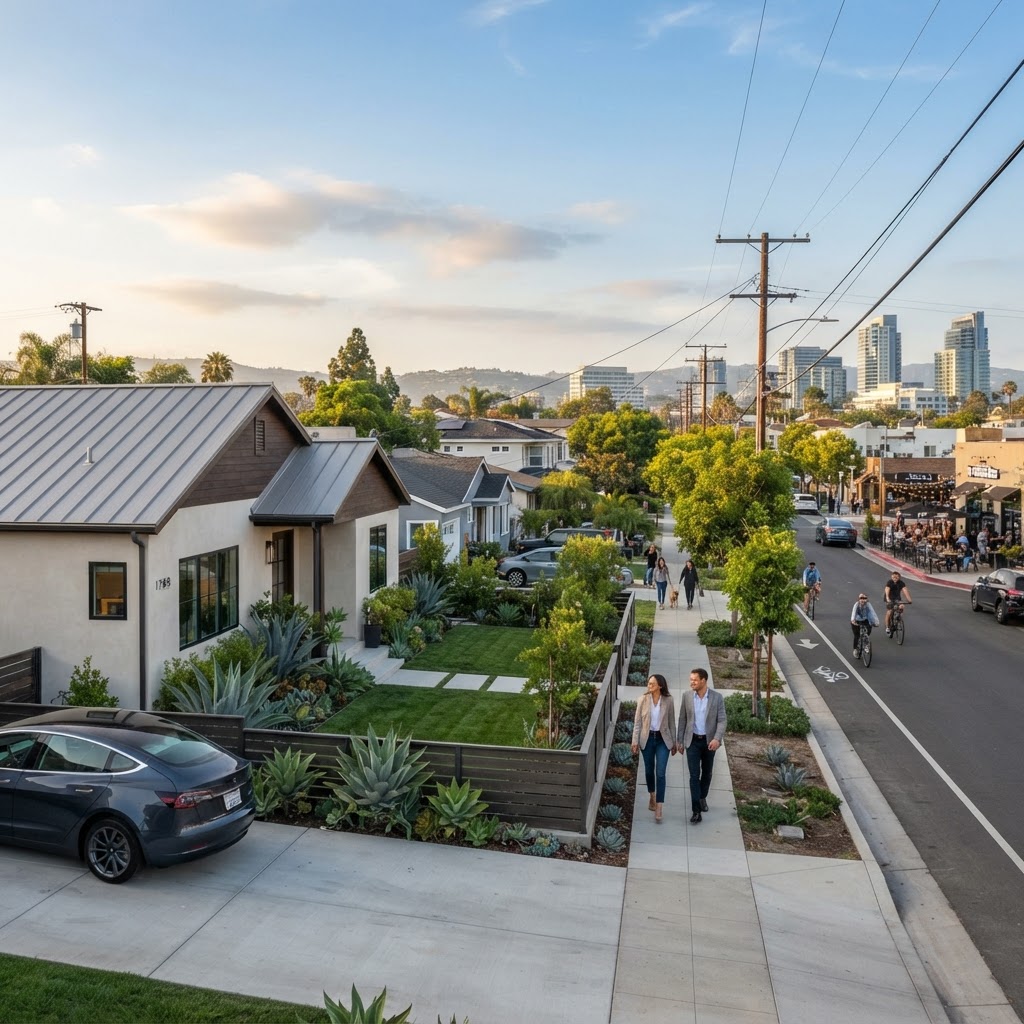
Davis continues to lead the nation in non-vehicular infrastructure. With over 100 miles of bike lanes and specialized signaling, the city achieves a 'Bike Score' that remains the highest in California. For residents of North Davis, this means that schools, grocery stores (including the resident-focused Nugget Market), and the downtown core are accessible within a 15-minute ride. This connectivity is not just a lifestyle perk; MLS data from early 2026 suggests that homes within 0.5 miles of a primary bike arterial command a 12% premium over those in more car-dependent peripheries.
Educational Excellence and Community Amenities
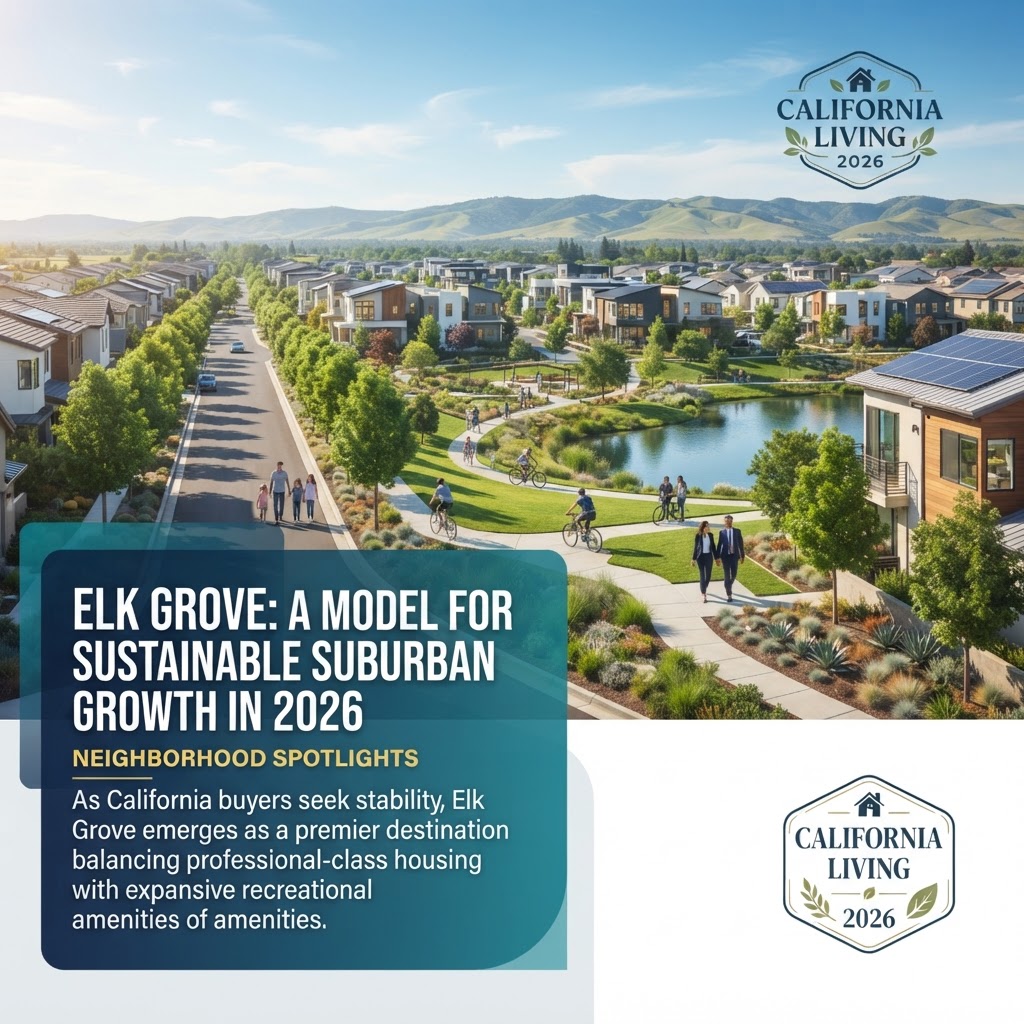
The Davis Joint Unified School District remains a top-five district statewide, with Davis Senior High consistently ranking in the 98th percentile for STEM participation. This educational pedigree remains the 'floor' for property values. Beyond schools, the 'The Cannery' community serves as the neighborhood's crown jewel. As California's first farm-to-table planned development, it features a 7.4-acre working farm that provides fresh produce to residents, solar-powered infrastructure as standard, and a mix of multi-generational housing that has become the blueprint for sustainable suburban growth.
Market Data and Investment Perspective
Recent reports from the California Association of Realtors (CAR) indicate that while the broader Central Valley has seen price stabilization, Davis has experienced a 4.8% year-over-year appreciation through May 2026. This is largely due to 'inventory lock'—a phenomenon where the city’s strict 'Slow Growth' policies (Measure J/R) limit new supply, ensuring that existing assets retain significant value.
Practical Takeaways
- For Buyers: Focus on the North Davis and Covell corridors. While entry prices are higher (median $950,000+), the long-term appreciation is bolstered by the city's growth boundaries.
- For Investors: Single-family homes with 'ADU potential' are the gold standard. With the 2026 updates to state density laws, converting garages into student or researcher housing remains the most viable path to high yield in this low-cap-rate environment.
- For Sellers: Sustainability upgrades (heat pumps, EV charging, and drought-tolerant landscaping) are no longer optional but expected. Homes with 'net-zero' certifications are currently seeing bidding wars that exceed list price by 5-8%.