The Emergence of San Diego’s Maritime Epicenter
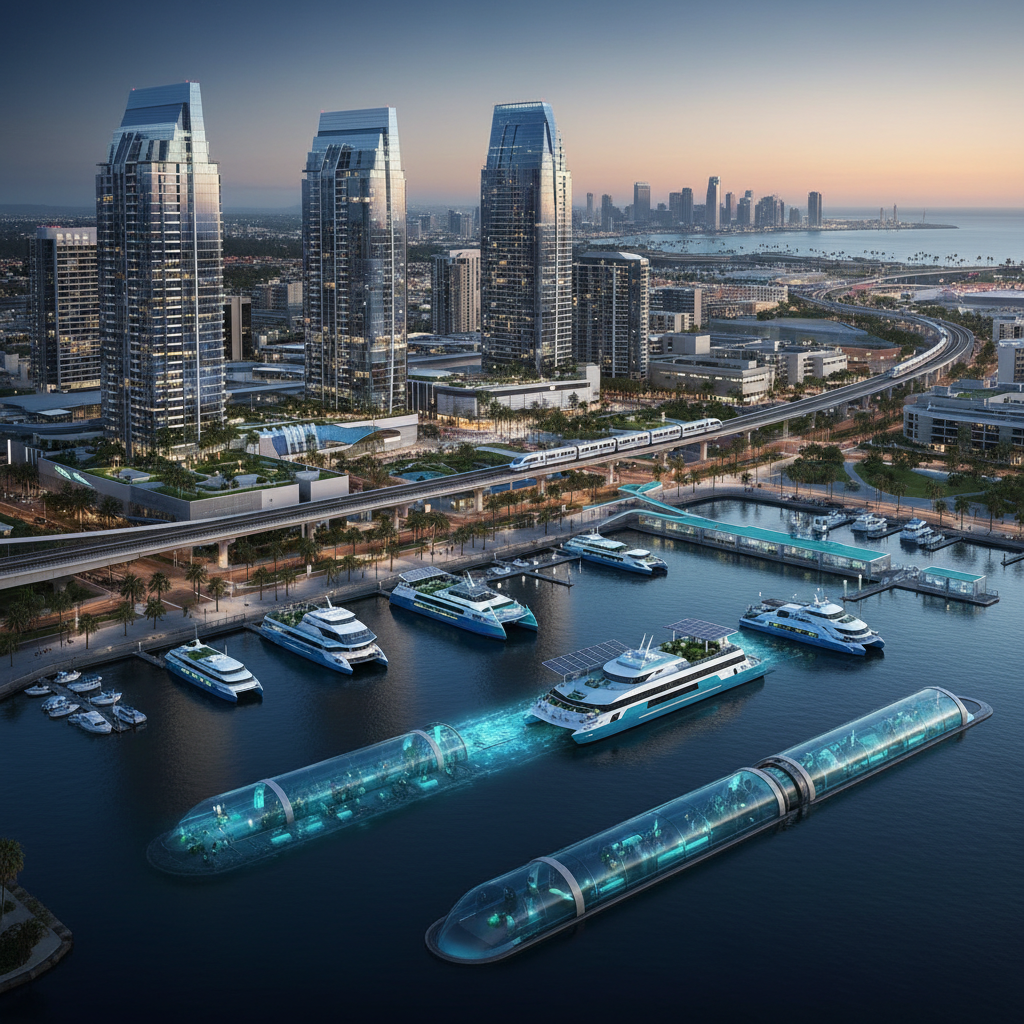
For decades, National City was often viewed as the industrial underdog of San Diego County, characterized by its historic mile of cars and deep-water port operations. However, as of May 2026, the city has successfully pivoted, leveraging its waterfront not just for cargo, but as the primary hub for the region’s ‘Blue Economy.’ Following the 2024 completion of several key mixed-use projects along the 8th Street and Roosevelt Avenue corridors, National City has emerged as a high-density, transit-oriented alternative to the increasingly unaffordable San Diego urban core.
The Blue Economy and Workforce Synergy
The primary driver of National City’s 2026 resurgence is the maturation of the Maritime Clean Air Strategy (MCAS) and the influx of green-tech maritime firms. According to 2025 data from the San Diego Regional Economic Development Corporation, the maritime sector now supports over 46,000 jobs in the South Bay, with National City capturing a significant share of new startups focused on underwater robotics and sustainable shipping logistics. This economic shift has transitioned the local housing market from purely blue-collar to a diverse mix of specialized technicians and young professionals who value proximity to both the Port and Downtown San Diego.
Infrastructure and Connectivity: The 15-Minute City Model
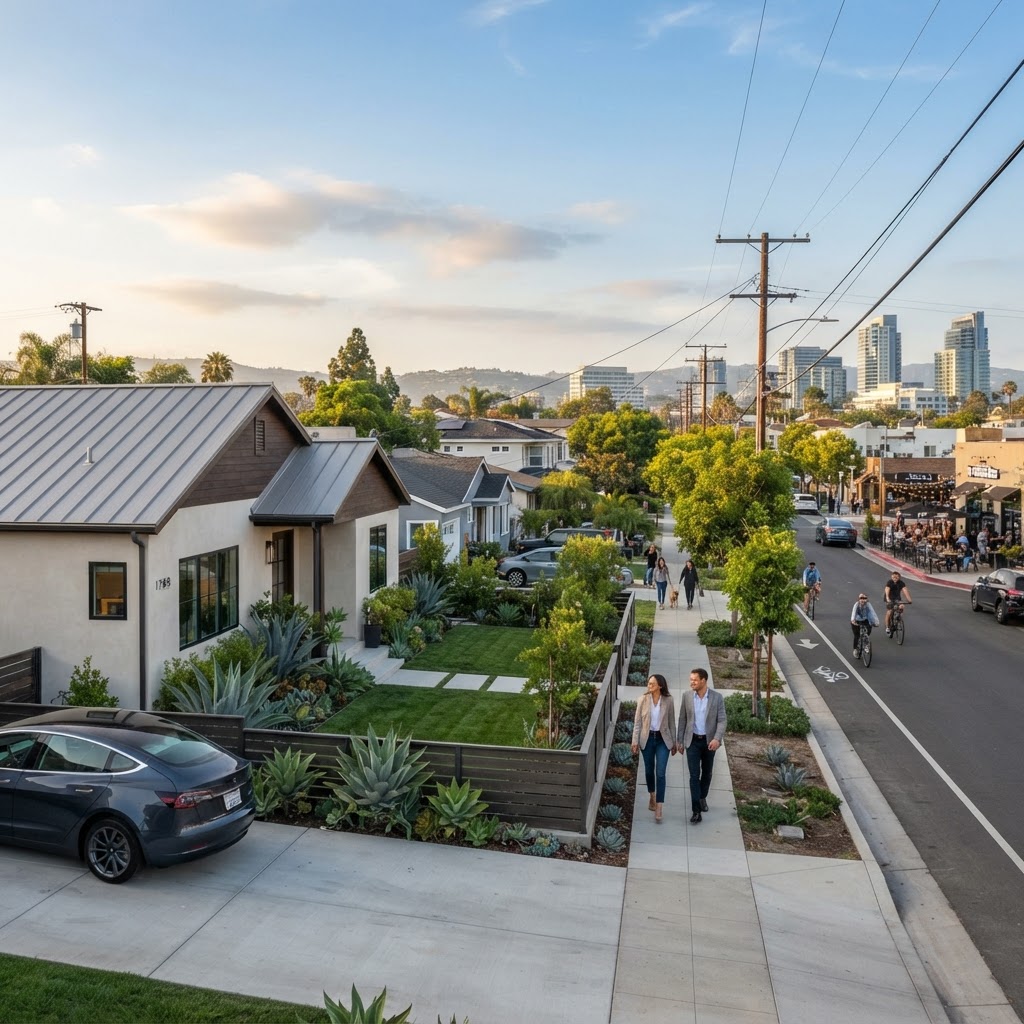
National City’s appeal is bolstered by its superior transit connectivity. The MTS Blue Line Trolley provides a 12-minute commute to downtown San Diego and a direct link to the UC San Diego campus in La Jolla. In 2026, the completion of the ‘Smart 8th Street’ initiative—a multi-million dollar streetscape project—has created a walkable spine connecting the trolley station to Kimball Park. Data from the San Diego Association of Governments (SANDAG) indicates that foot traffic in the downtown district has increased by 35% since 2024, spurred by the arrival of the UC San Diego National City Center, which offers specialized vocational training and community programming.
Real Estate Dynamics and Education
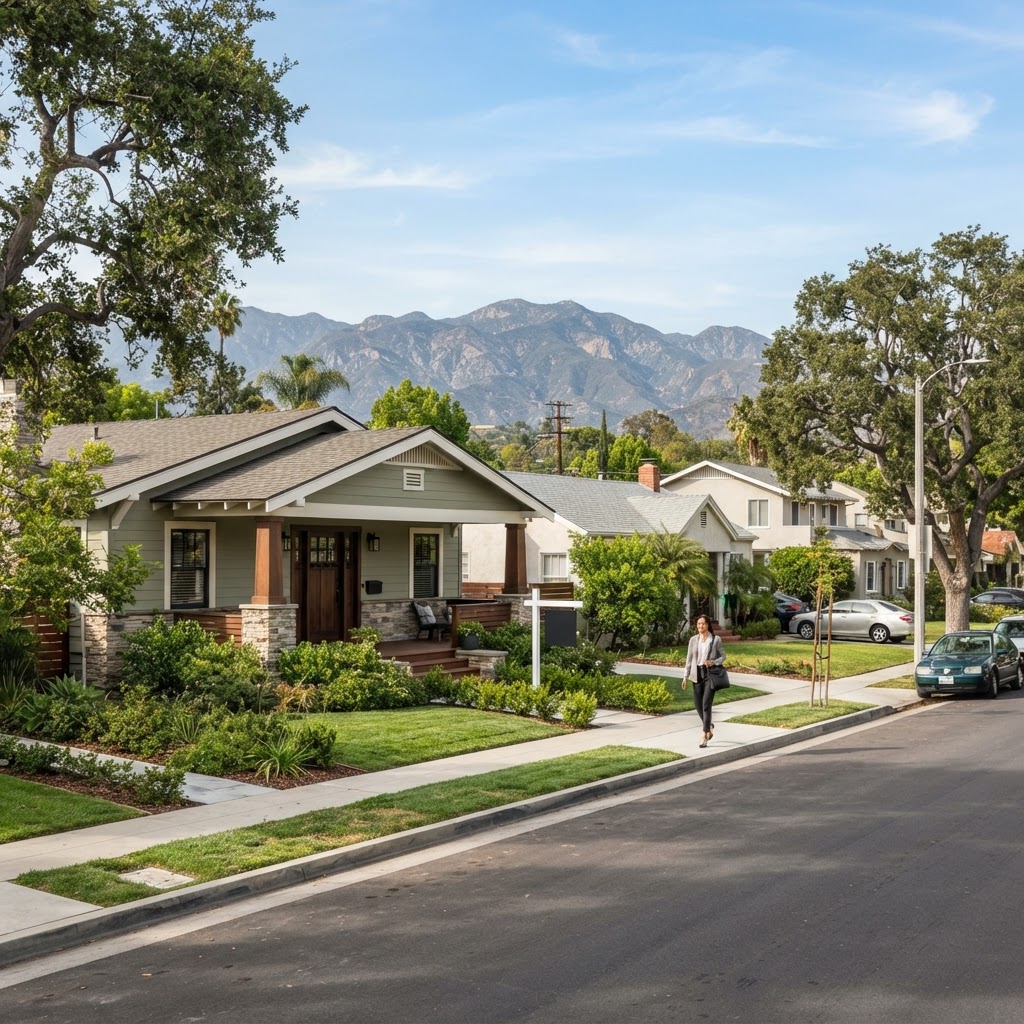
While San Diego County’s median home price has hovered near record highs, National City remains a comparative value play. As of Q1 2026, MLS data shows median residential values in National City at approximately $740,000—roughly 18% lower than the county average. This pricing gap, combined with the presence of high-performing charter schools and the revitalization of the National City School District’s facilities through recent bond measures, has attracted first-time millennial buyers. The neighborhood of Lincoln Acres, in particular, has seen a surge in interest due to its larger lot sizes and semi-rural feel within an urbanized zone.
Practical Takeaways for Stakeholders
- For Investors: Focus on multi-family opportunities within three blocks of the 8th Street Trolley Station. The city’s revised zoning ordinances now favor ‘Missing Middle’ housing, including townhomes and courtyard apartments, to meet the demand from the growing maritime workforce.
- For Homebuyers: Look toward the eastern edge near Paradise Valley. This area offers more established single-family footprints and has benefited from recent infrastructure upgrades to drainage and lighting, providing a stable long-term equity play.
- For Commercial Tenants: The Roosevelt Avenue corridor is currently the ‘sweet spot’ for retail and food-and-beverage startups, benefiting from high visibility and the city’s streamlined permitting process for adaptive reuse of mid-century industrial buildings.
A Strategic Pivot Toward the Future
National City is no longer just a pass-through between San Diego and Chula Vista. By integrating its industrial heritage with 21st-century maritime technology and aggressive transit-oriented development, it has carved out a unique identity. For those looking to capitalize on San Diego’s southward expansion, National City represents the most balanced intersection of affordability, employment growth, and urban accessibility in the 2026 market.