The Evolution of a Historic Corridor
As of May 2026, the West Adams neighborhood of Los Angeles has transitioned from a hidden gem of Craftsman and Mid-Century architecture into a national case study for high-density, transit-oriented development. While much of the Los Angeles basin struggled with housing inventory shortages throughout the early 2020s, West Adams leveraged its unique zoning and proximity to the E (Expo) Line to create a thriving 15-minute city model that respects its deep cultural roots.
Community Features and Amenities
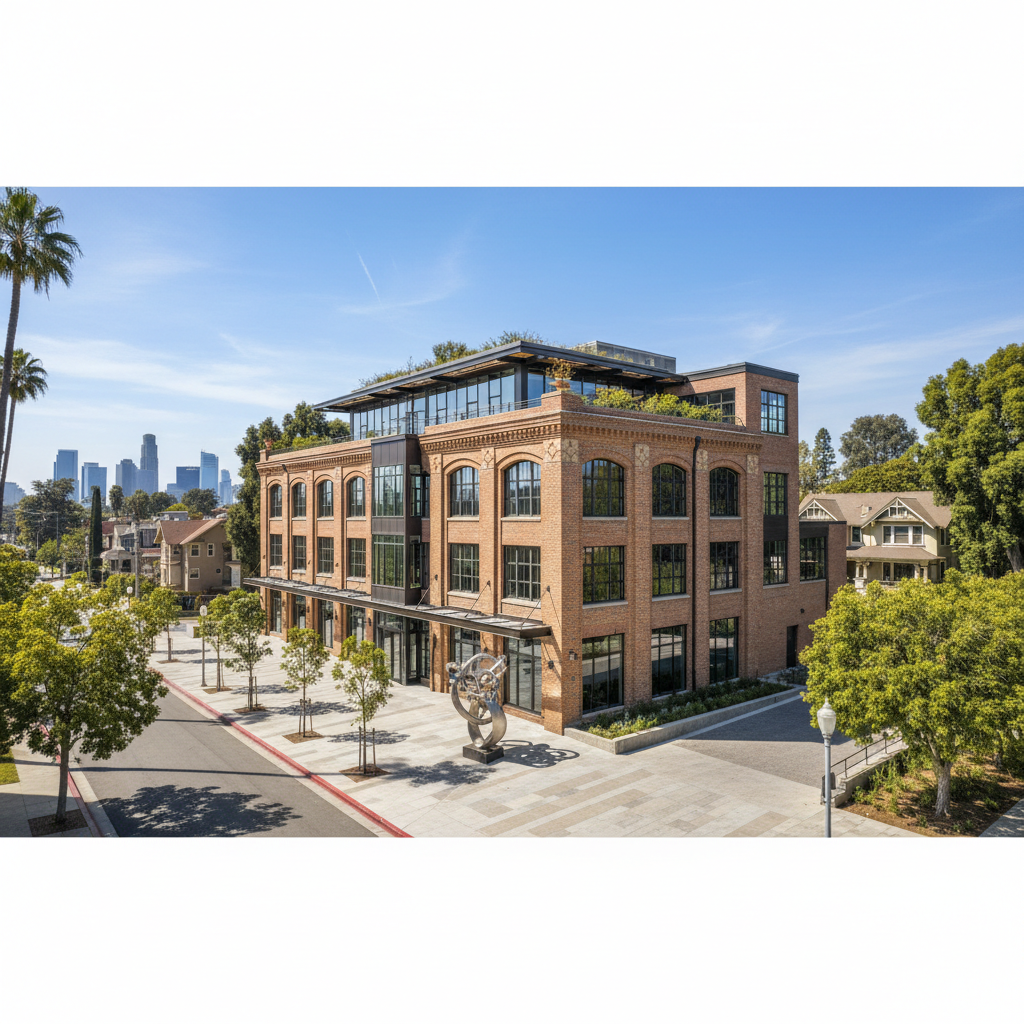
The defining characteristic of West Adams in 2026 is the successful integration of adaptive reuse. Former industrial warehouses along Jefferson and Adams Boulevards have been transformed into creative office spaces and Michelin-recognized dining destinations. The neighborhood now boasts a retail occupancy rate of 94%, according to recent CBRE Commercial Real Estate reports, anchored by the completed Cumulus District. This massive development has introduced a Whole Foods and over 1,200 luxury residential units, creating a new epicenter of activity at the neighborhood's eastern edge.
The Real Estate Landscape: Data and Trends
Investment in West Adams has remained resilient despite statewide fluctuations. According to MLS data for Q1 2026, the median sales price for a single-family home in West Adams has reached $1.38 million, representing a 7.4% year-over-year increase. This growth is driven by the scarcity of historic inventory and the proliferation of high-end ADUs (Accessory Dwelling Units).
Investors are increasingly focusing on the "missing middle" housing. The City of Los Angeles's Transit Oriented Communities (TOC) incentives have allowed developers to build larger multi-family projects near the La Cienega/Jefferson station, provided they include a percentage of affordable units. This has mitigated some displacement concerns while providing much-needed density.
Schools and Institutional Stability
The neighborhood’s appeal is bolstered by its proximity to the University of Southern California (USC), which sits just three miles to the east. This provides a stable base of faculty and administrative staff buyers. Additionally, the neighborhood is home to highly-rated magnet programs such as Baldwin Hills Elementary and several burgeoning charter schools that have seen significant private investment in campus facilities over the last two years.
Transportation and Connectivity
West Adams serves as the ultimate bridge between the Westside and Downtown LA. The E Line light rail offers a 20-minute commute to Santa Monica or a 15-minute trip to the Crypto.com Arena district. For those commuting by car, the neighborhood provides immediate access to the I-10 freeway, though many residents have pivoted to micro-mobility. The 2025 completion of the Adams Boulevard Safety Project introduced protected bike lanes and widened sidewalks, significantly increasing foot traffic for local businesses.
Practical Takeaways for Stakeholders
- For Buyers: Focus on the pocket north of Adams Boulevard for the best architectural preservation. Properties with detached garages remain prime candidates for ADU conversion, which can offset high mortgage rates through rental income.
- For Sellers: Highlight energy-efficient upgrades. In 2026, the California market places a premium on homes with solar arrays and heat pumps, often yielding a 5-8% price premium over non-upgraded historic peers.
- For Investors: Commercial interest is shifting toward "Life Science" conversions. With the Culver City tech hub overflowing, West Adams is seeing a surge in demand for R&D lab spaces that blend into the existing industrial aesthetic.
Conclusion
West Adams represents the new California dream: a neighborhood that celebrates its history as a center of Black wealth and architectural heritage while embracing the density required for a modern metropolis. It is no longer just a pass-through between the 10 freeway and the beach; it is a destination in its own right.