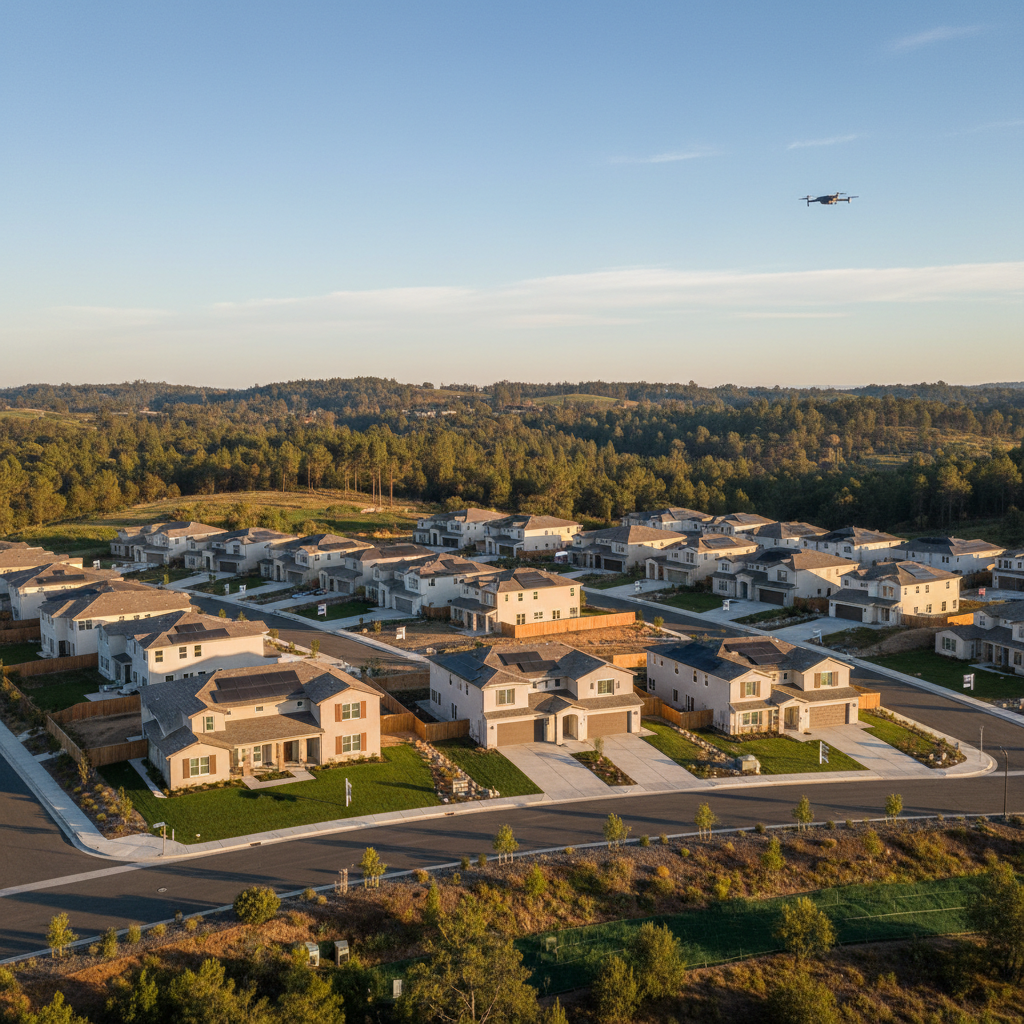
The Insurance Rebound of Spring 2026
For the first time in nearly four years, the 'Insurance Contingency' is losing its status as a deal-killer in California real estate. As of May 1, 2026, data from the California Department of Insurance (CDI) and the California Association of Realtors (CAR) indicates a significant stabilization in the property insurance sector, particularly in Wildland-Urban Interface (WUI) zones that were previously deemed uninsurable by the private market.
The Regulatory Catalyst: Forward-Looking Risk Models
The primary driver behind this shift is the full implementation of the 2025 Sustainable Insurance Strategy. Under these regulations, major carriers like State Farm and Allstate have resumed writing new policies in exchange for the state allowing 'forward-looking' catastrophe modeling. Unlike the historical data models used for decades, these new algorithms allow insurers to price risk more accurately based on climate projections and, crucially, local mitigation efforts.
According to CAR’s April 2026 Market Report, transaction volume in 'High Fire Severity Zones'—including portions of the Sierra Foothills, Santa Cruz Mountains, and Ventura County—has increased by 22% year-over-year. This surge is attributed directly to the availability of private-market alternatives to the FAIR Plan, which had reached a precarious enrollment peak in late 2025.
Data Points: A Market in Transition
- Premium Stabilization: While average premiums remain 35% higher than 2022 levels, the rate of increase has slowed to just 3% annually in the first half of 2026.
- Escrow Success Rates: Fall-through rates due to 'unobtainable insurance' have dropped from 14% in May 2024 to less than 4% today.
- FAIR Plan Off-ramps: Approximately 65,000 homeowners successfully migrated from the California FAIR Plan back to private carriers in Q1 2026.
The 'Fire-Hardened' Premium Credit
A pivotal factor for today's buyers and sellers is the standardized 'Mitigation Credit' system. Properties that meet the state’s 'Wildfire Prepared Home' designation—requiring Class A roofing, ember-resistant vents, and five feet of defensible space—are now eligible for mandatory premium discounts ranging from 12% to 18%. In many CA markets, these certifications have become as essential as a clean pest report for closing a sale.
Practical Takeaways for Market Participants
For Sellers:
Invest in professional wildfire mitigation certification before listing. In 2026, a 'Fire-Hardened' badge is adding an estimated 4-6% to the final sale price in suburban-fringe markets because it guarantees the buyer immediate access to competitive private insurance quotes.
For Buyers:
When shopping in wooded or coastal areas, prioritize homes with existing 2025-compliant retrofits. If a home is currently on the FAIR Plan, use the cost of required 'hardening' upgrades as a primary negotiation lever during the inspection period.
For Investors:
The 'Insurance Thaw' is creating a temporary arbitrage opportunity in areas like Lake Tahoe and the Ojai Valley. Properties that were devalued during the 2024 insurance freeze are seeing rapid appreciation as they become financeable again under new private-market terms.
The Road Ahead
While the market is far from the low-cost environment of the early 2010s, the restoration of a functioning insurance market is providing a much-needed floor for California property values. As we move into the peak summer buying season, the ability to secure a binder within a standard 17-day contingency period is once again the norm, rather than the exception.


