The Evolution of San Diego’s 'Coolest' Neighborhood
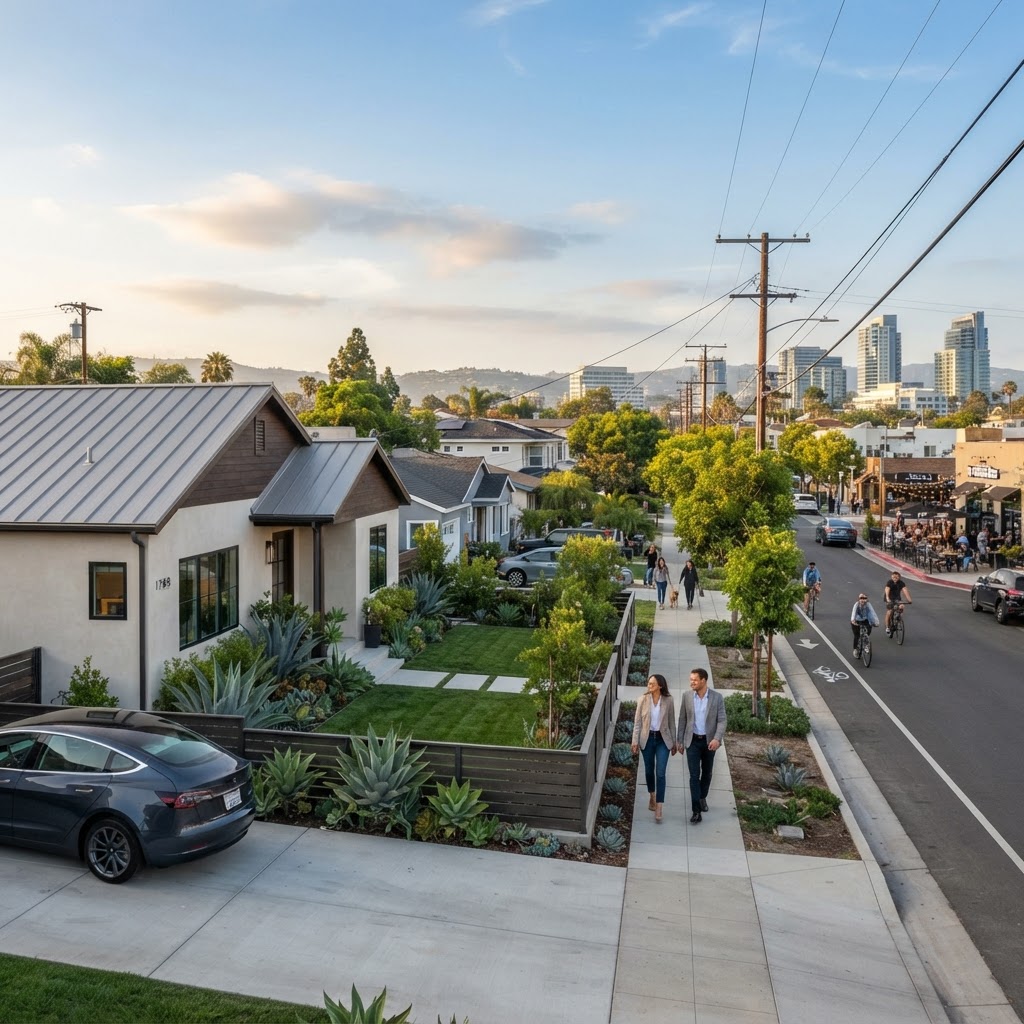
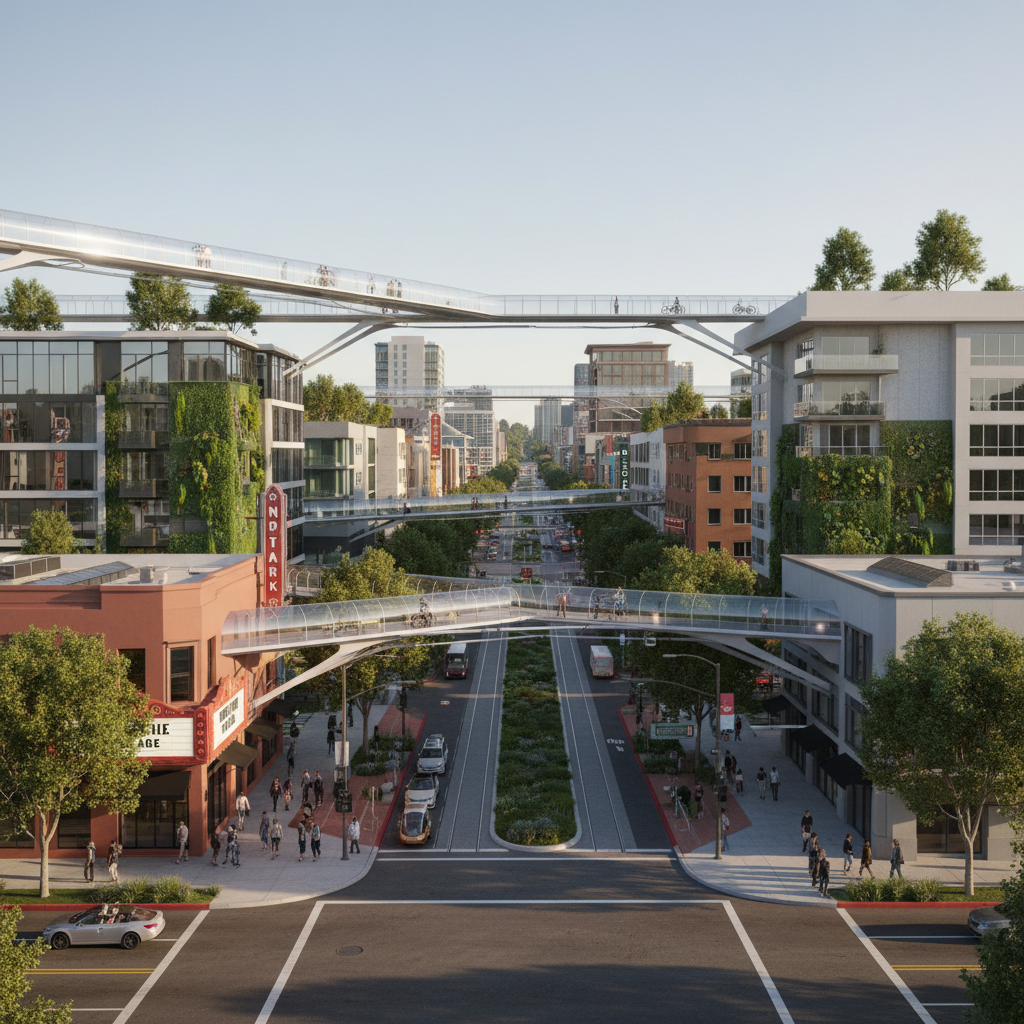
In 2026, North Park has officially transcended its reputation as just a nightlife and craft beer destination. While its eclectic roots remain, the neighborhood has become the primary case study for San Diego’s '15-minute city' initiative. Following the 2025 completion of the Pershing Drive and 30th Street protected cycle-track network, North Park now boasts the highest non-vehicular commuter rate in the county outside of Downtown.
The Infrastructure Premium: Data-Driven Growth
According to recent data from the San Diego Association of Governments (SANDAG), bicycle and pedestrian traffic along the 30th Street corridor has increased by 44% over the last 24 months. This shift in transit behavior is directly reflected in real estate valuations. MLS data from Q1 2026 indicates that residential properties within two blocks of the 'Green Loop'—the neighborhood’s connected park-to-transit system—are commanding a 15% price premium over comparable homes in adjacent districts.
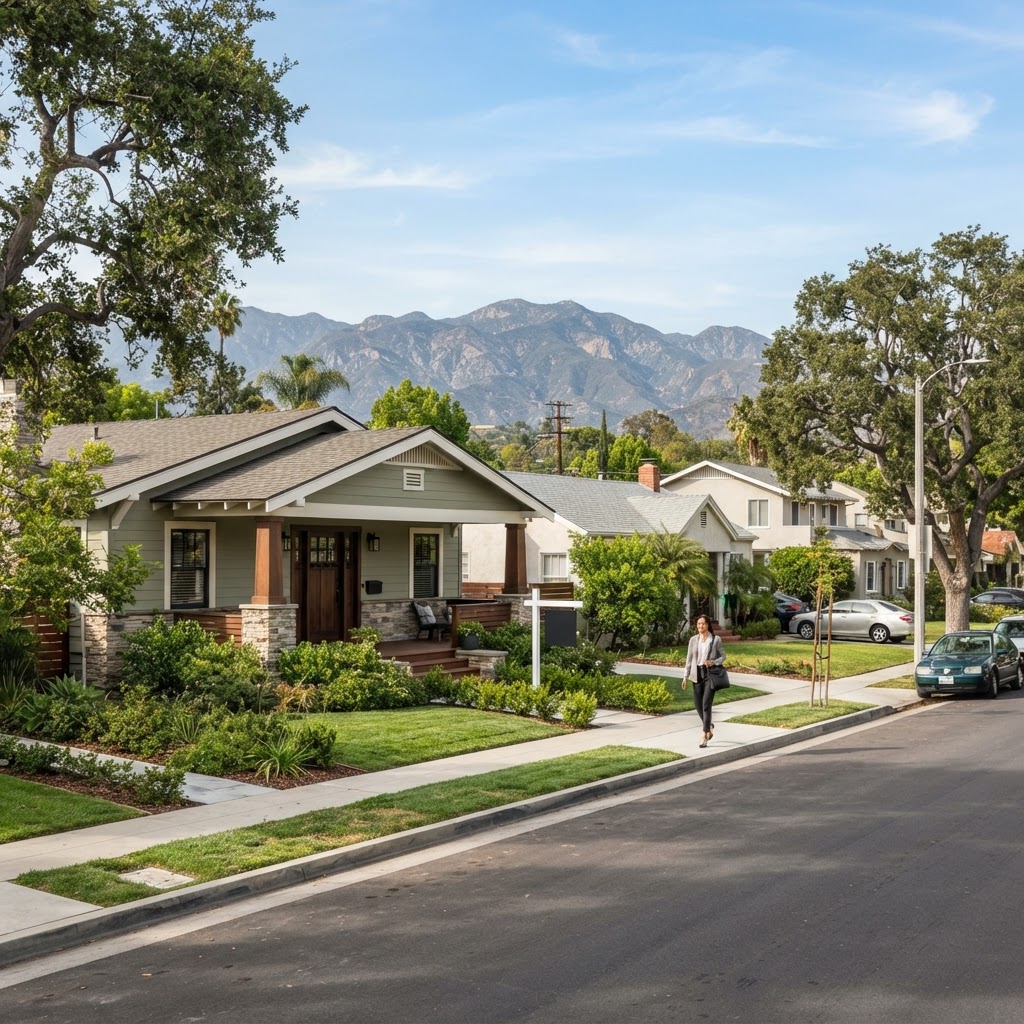
The neighborhood’s appeal is further bolstered by the success of Senate Bill 10 (SB 10) implementation. Local zoning shifts have allowed for 'gentle density' projects, primarily four-to-six-unit residential clusters that maintain the historic aesthetic of the area while increasing housing supply for the city’s growing tech and biotech workforce.
Amenities and Education
North Park serves as the northern gateway to Balboa Park, providing residents with 1,200 acres of museums, gardens, and trails. The recent revitalization of the North Park Mini Park has created a central community hub for the weekly Farmers Market, which now ranks as one of the largest in Southern California.
For families, the neighborhood offers strong educational foundations. McKinley Elementary, an International Baccalaureate (IB) World School, continues to be a primary draw for young professionals moving from the coast to the urban core. The school’s high rating and community involvement have stabilized property values even during broader market fluctuations.
Transportation and Connectivity
Connectivity is the neighborhood’s greatest asset in 2026. The Rapid 215 bus line provides high-frequency service to Downtown and San Diego State University, while the expanded bike network makes the commute to Mission Valley or Hillcrest feasible in under 15 minutes. This 'car-lite' lifestyle is a significant draw for the Gen Z and Millennial demographic, who increasingly prioritize sustainability and health over square footage.
Investor and Buyer Takeaways
- For Investors: Look for older bungalows with ADU (Accessory Dwelling Unit) potential. The city’s relaxed ADU regulations and North Park’s high rental demand for 'urban-style' units provide a strong path to yield-on-cost.
- For Buyers: Focus on the 'North of University' pocket. While prices are higher, the proximity to both the business district and the quiet residential streets of Burlingame offers the best balance of lifestyle and long-term appreciation.
- Market Outlook: Expect continued compression of capitalization rates as institutional capital moves toward high-density multi-family projects along the El Cajon Boulevard corridor.
North Park 2026 represents the new California dream: an urban environment that prioritizes human-scale interaction over highway proximity. For those looking to invest in a resilient, future-proof neighborhood, the data points to North Park as a premier choice.