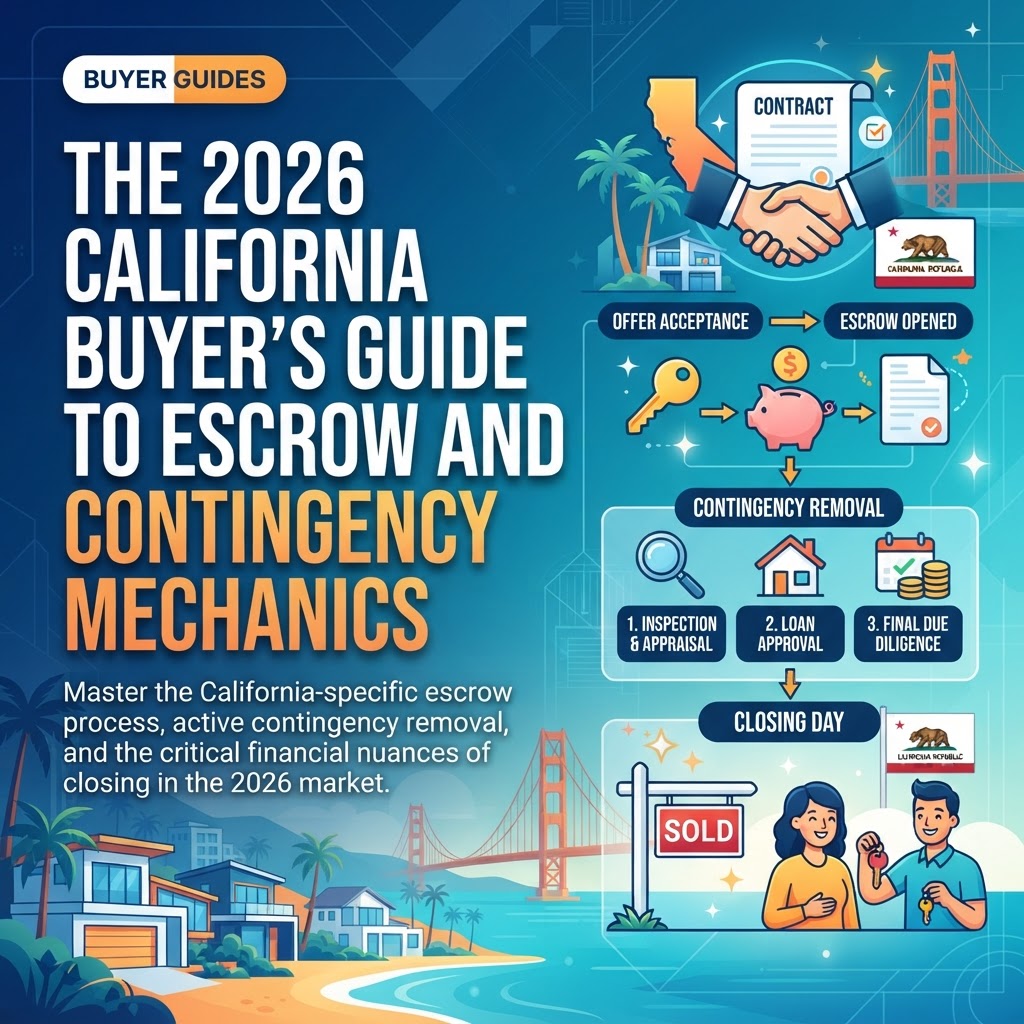
Beyond the Walkthrough: The Legal Architecture of California Buying
In the California real estate market of 2026, a successful purchase is defined less by the winning bid and more by the buyer's forensic analysis of the disclosure package. California maintains some of the most stringent consumer protection laws in the nation, centered around the seller’s duty to disclose. According to recent data from the California Association of Realtors (C.A.R.), failure to disclose property defects remains a leading cause of post-closing litigation. For the 2026 buyer, mastering these documents is the ultimate defensive strategy.
Decoding the Transfer Disclosure Statement (TDS)
The Transfer Disclosure Statement is a legally mandated document under California Civil Code §1102. It requires sellers to check boxes regarding the condition of appliances, structural integrity, and any known environmental hazards. Buyers should not treat this as a formality. Look specifically for 'Yes' marks in the sections regarding 'Neighborhood Noise' or 'Significant Defects.' In the current high-density development era, these disclosures often reveal pending infrastructure projects that could impact property value or quiet enjoyment.
The Supplemental Property Questionnaire (SPQ)
While the TDS is the statutory minimum, the SPQ is a more detailed deep dive often required by standard C.A.R. purchase agreements. This document asks about specific incidents, such as deaths on the property within the last three years (Civil Code §1710.2), insurance claims, or past water damage. In 2026, with the increasing frequency of atmospheric river events, pay close attention to Section V regarding 'Water intrusion or moisture.' A 'no' on the SPQ that contradicts evidence in a home inspection is a major red flag that warrants a secondary specialist inspection.
The NHD: Your Environmental Early Warning System
The Natural Hazard Disclosure (NHD) report is a third-party document that identifies if a property sits in a state-mapped hazard zone. Key areas to scrutinize in 2026 include:
- High Fire Hazard Severity Zones: Impacting both safety and the long-term cost of the California FAIR Plan.
- Seismic Hazard Zones: Areas prone to liquefaction or landslide during an earthquake.
- FEMA Flood Zones: Critical for determining mandatory flood insurance requirements which have seen a 12% average premium increase year-over-year.
The AVID: The Agent’s Eye
The Agent Visual Inspection Disclosure (AVID) is where both the listing and buying agents record their observations. This document serves as a check against the seller's disclosures. If an agent notes 'staining on the ceiling' but the seller's TDS claims 'no leaks,' there is a discrepancy that must be resolved before the 17-day contingency period expires. In 2026's fast-moving market, ensure your agent completes a thorough walkthrough rather than a cursory glance.
Practical Takeaways for the 2026 Buyer
1. Request the Packet Pre-Offer: In many California markets, the disclosure packet is available before you submit a bid. Reviewing it early allows you to price your offer based on necessary repairs. 2. Cross-Reference Inspections: Compare the seller’s SPQ with your independent home inspection. Any inconsistencies are leverage points for repair credits. 3. Verify Permits: Use the disclosure process to identify unpermitted additions. With California's strict ADU laws, ensuring a secondary unit is 'legal' is vital for future resale and appraisal value. 4. Consult the Title Report: Review the Preliminary Title Report alongside disclosures to identify easements or CC&Rs that might restrict your planned use of the property.