The Evolution of Density: Beyond the ADU
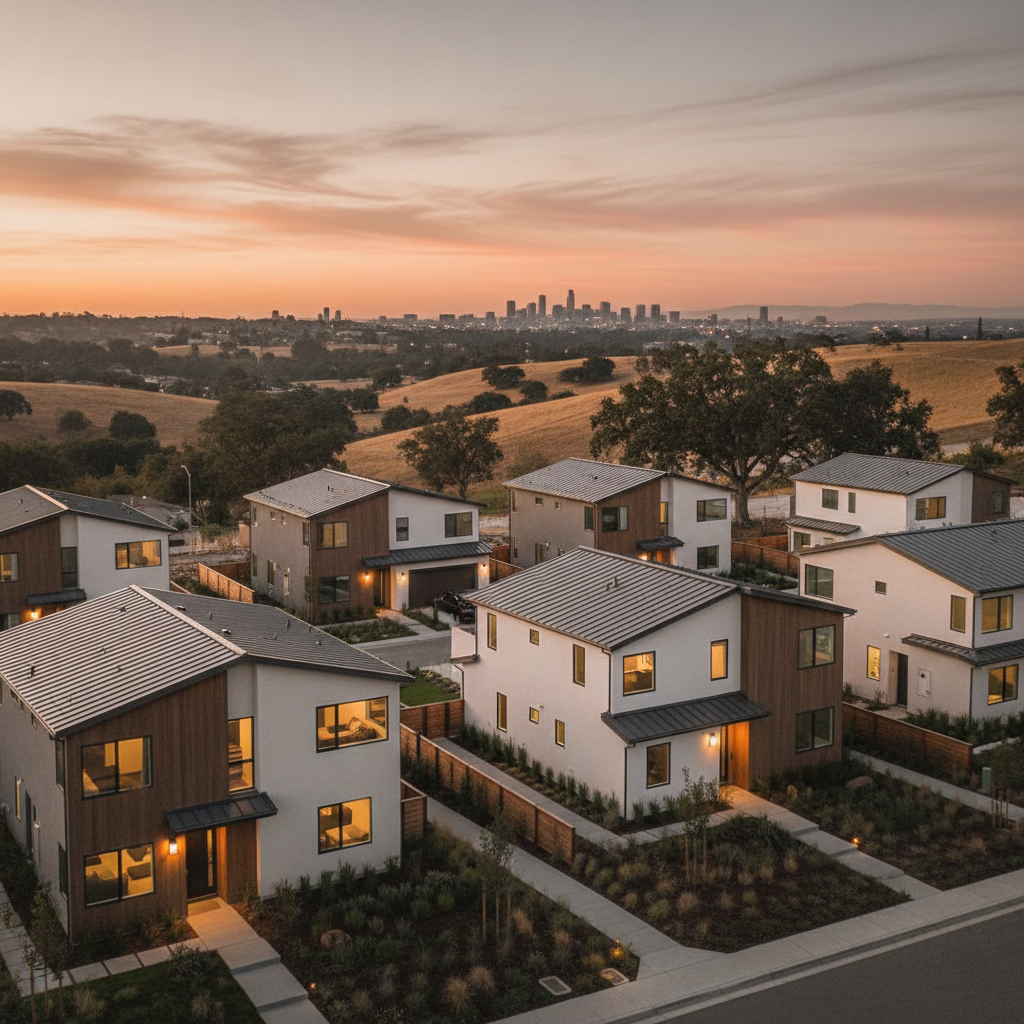
For the past five years, the California real estate narrative centered on the 'ADU Revolution.' However, as of April 2026, the market has entered a more sophisticated phase: the institutionalization of lot splits and the sale of accessory units as independent fee-simple or condominium interests. Driven by the maturation of Senate Bill 9 (SB 9) and the widespread adoption of Assembly Bill 1033, California is witnessing the birth of a genuine entry-level asset class that bypasses the traditional 'starter home' shortage.
The Data Behind the 2026 Shift
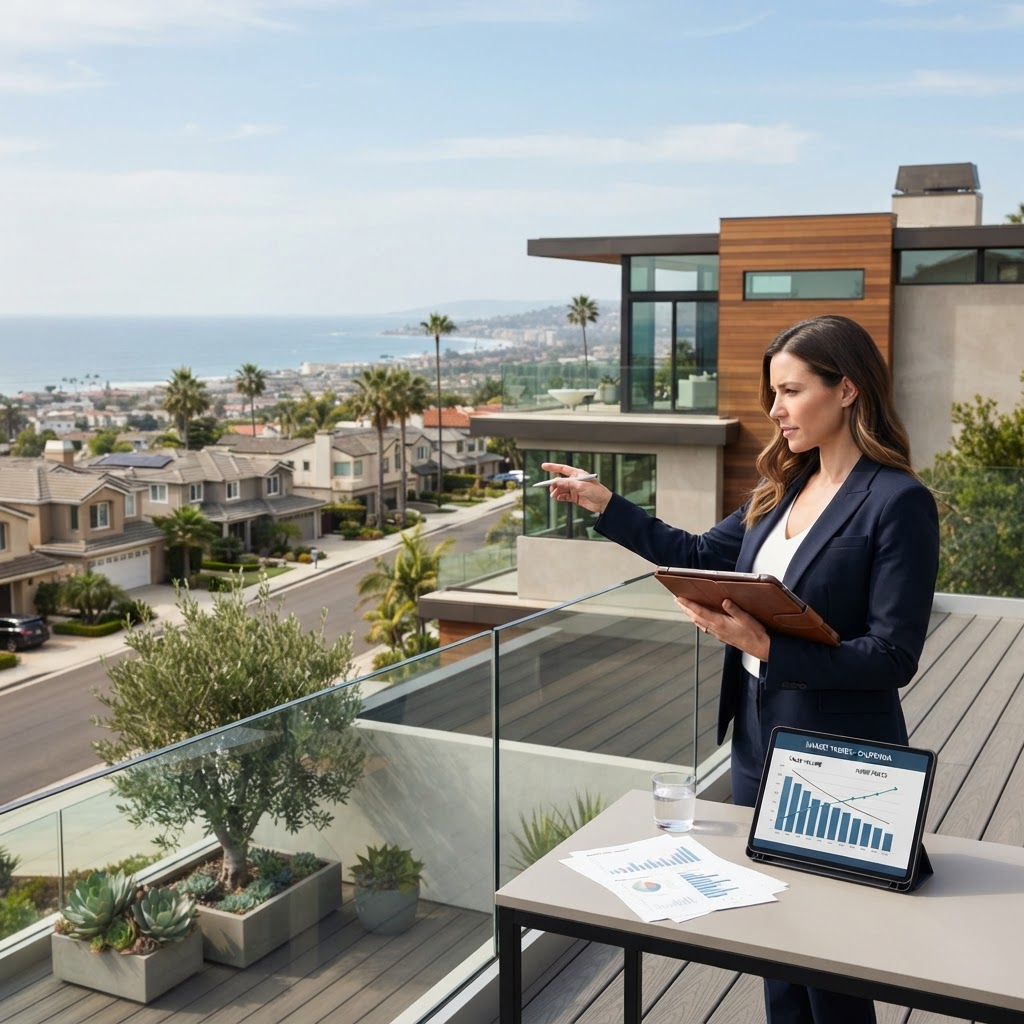
According to data from the California Department of Housing and Community Development (HCD), the first quarter of 2026 saw a 22% year-over-year increase in urban lot split applications compared to 2025. Unlike the initial friction seen in 2022-2023, municipal planning departments have streamlined the 'ministerial' approval process, reducing the average permit time from 14 months to just 120 days in major metros like Los Angeles, San Diego, and San Jose.
The financial impact is measurable. Research from the UCLA CityLab suggests that lot-split properties are entering the market at price points 30% to 40% lower than traditional single-family homes in the same ZIP codes. This has allowed a new cohort of buyers—primarily those earning between 80% and 120% of the Area Median Income (AMI)—to recapture a foothold in coastal markets where inventory remains historically tight.
Valuation and the Appraisal Gap
One of the primary hurdles in 2024 and 2025 was the lack of 'comparables' for split-lot properties. In 2026, the industry has reached a tipping point. The California Association of Realtors (CAR) reports that over 12,000 split-lot transactions have been recorded in the MLS over the last 18 months, providing the data necessary for Fannie Mae and Freddie Mac to refine their appraisal guidelines for these non-traditional configurations.
For investors, this means the 'appraisal gap' is closing. Lenders are now more comfortable valuing a 1,200-square-foot rear-lot home similarly to a detached condo, rather than discounting it as a secondary structure. This shift has unlocked secondary market liquidity, allowing developers to utilize construction-to-permanent financing with much higher certainty of exit.
Investment Perspective: The 'Split-and-Sell' Strategy
In the current high-equity environment, many California homeowners are no longer just building ADUs for rental income; they are leveraging SB 9 to split their parcels and sell the resulting lot or new structure to pay off their primary mortgage. This 'equity extraction through density' is a hallmark of the 2026 market.
- The Arbitrage: Buying an oversized lot in a transit-oriented district, splitting the parcel, and developing two duplexes (four units total) under SB 9 provisions.
- The Yield: While traditional single-family flips have seen compressed margins due to 2026’s stabilized but elevated interest rates, density-play margins remain robust at 18-22% IRR.
Practical Takeaways for 2026 Stakeholders
For Buyers:
Don't filter your search by 'Single Family Home' alone. Look for 'Tenancy in Common' (TIC) or 'Detached Condo' listings in residential zones. These often represent SB 9 or AB 1033 splits and offer the most competitive price-per-square-foot in premium neighborhoods.
For Investors:
Focus on 'lot-to-structure' ratios. Properties with at least 1,500 square feet of underutilized backyard space are the primary targets for 2026. Ensure you are well-versed in local 'objective zoning standards,' as these are the only criteria cities can now use to deny your split.
For Sellers:
Before listing an older home on a large lot, consult a land-use attorney. The value of your property as a 'development-ready split' may be significantly higher than its value as a single-family residence, even if the existing home is in disrepair.
The Bottom Line
California’s housing crisis is being met with a structural transformation of the suburban lot. The 'Fractionalization of the Lot' is no longer a legal theory; in 2026, it is the primary engine of new inventory. For those who understand the nuances of density legislation, the California market offers a path to value that was previously obscured by the 'one lot, one home' paradigm.