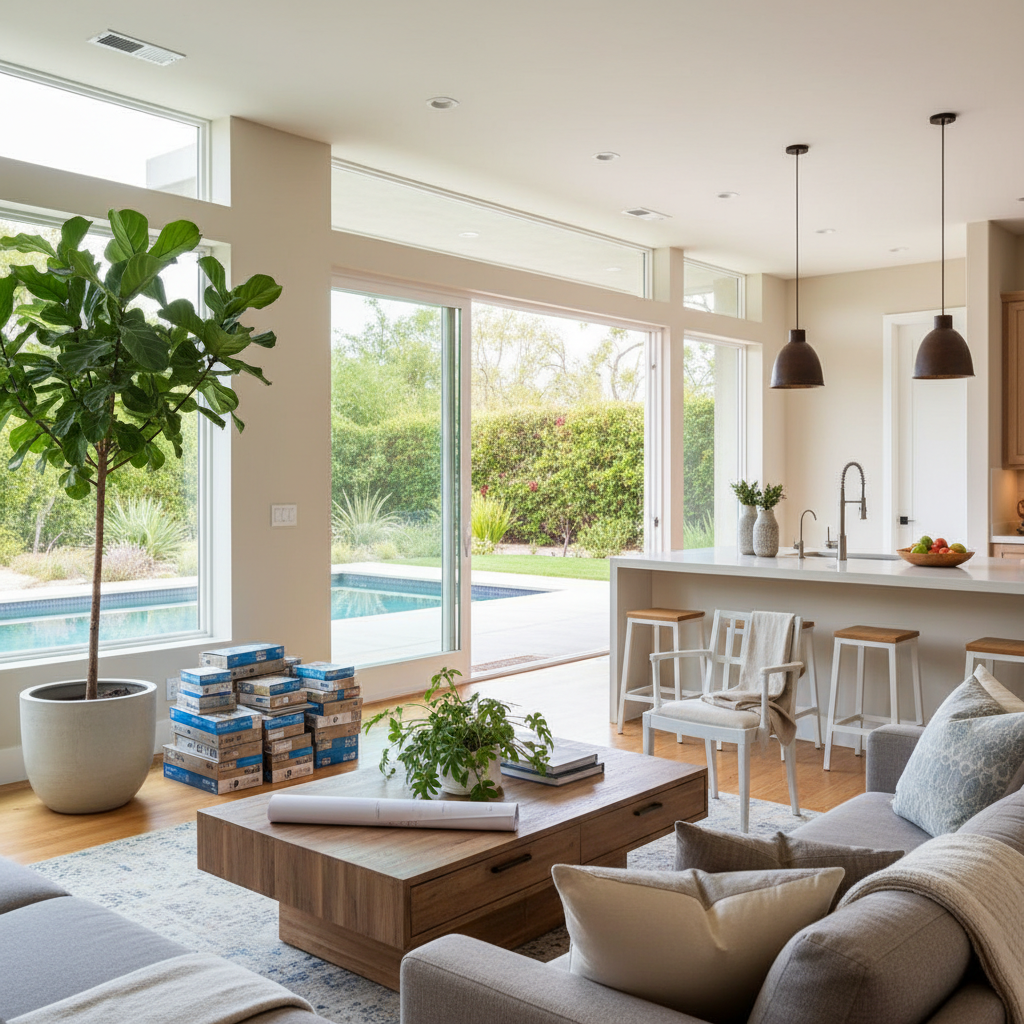
The Shift from Potential to Perfection
As we move through the second quarter of 2026, a distinct trend has solidified across the California housing market: the widening price gap between 'fixer-uppers' and 'turnkey' properties. Data from the California Association of Realtors (CAR) indicates that move-in-ready homes are currently command-ing a 12% to 15% premium over comparable homes requiring even moderate cosmetic updates. This is a significant jump from the 7% premium observed in 2021.
The driver behind this shift is simple: renovation fatigue. Persistent labor shortages and a 22% increase in construction material costs since 2023 (per Bureau of Labor Statistics data) have made the prospect of post-purchase remodeling a non-starter for the average 2026 buyer. For sellers, this means the strategy has shifted from 'selling the dream' to 'selling the solution.'
Strategic Preparation: High-Impact, Low-Friction Updates
In the 2026 market, major kitchen overhauls or bathroom gut-renovations rarely yield a 1:1 return on investment due to high contractor bids. Instead, sellers should focus on 'high-impact' cosmetic updates that remove buyer anxiety. Priority should be given to:
- The Neutralization Mandate: While bold colors were trending in 2024, the 2026 buyer seeks 'visual silence.' A fresh coat of warm-toned neutral paint throughout can increase perceived value by up to 3%.
- Certified System Reliability: With California's rigorous 2026 energy standards, providing a recent, clean inspection report for HVAC and electrical systems is more valuable than a marble countertop.
- Lighting Modernization: Replacing dated fixtures with high-efficiency, smart-integrated LED systems offers one of the highest ROIs in the current market, as it addresses both aesthetic and energy-efficiency concerns.
Navigating the Regulatory Edge
California's legislative landscape, specifically the evolution of SB 9 and SB 10, has changed how buyers view lot utility. Sellers should provide a 'Development Potential Folder' that includes local zoning certifications. Even if the seller hasn't built an ADU, proving the lot is 'ADU-ready' with utility tie-in points identified can attract investors and multi-generational families without the seller incurring construction debt.
The 2026 Marketing Strategy: Positioning as 'Maintenance-Free'
Marketing a home in 2026 requires a shift in language. Instead of focusing solely on 'luxury' or 'location,' successful listings are highlighting 'predictability.' Use the following tactics:
- Energy Transparency: Include 12 months of utility bill averages. In a high-cost energy environment, a home with solar or high-efficiency ratings is a top-tier asset.
- The 5-Year Outlook: Explicitly state the age of the roof, water heater, and appliances. In 2026, a buyer’s biggest fear is an unexpected $20,000 expense in the first year of ownership.
- Virtual Staging for Utility: If a room is currently a gym but could be an office, use high-fidelity AI staging to show its multi-functional potential, catering to the hybrid work culture that remains a staple of the California economy.
Practical Takeaways for 2026 Sellers
- Audit before you act: Secure a pre-listing inspection to identify 'deal-killers' before they hit the escrow stage.
- Focus on 'The Big Three': Paint, flooring, and lighting. These provide the highest visual impact with the lowest contractor dependency.
- Price for the 'Turnkey' Status: If your home is truly move-in ready, do not price it alongside 'value-add' properties. Position it as a premium product to attract buyers who are financing at 2026 rates and have little liquid cash left for repairs.