The Shift from Aesthetics to Efficiency
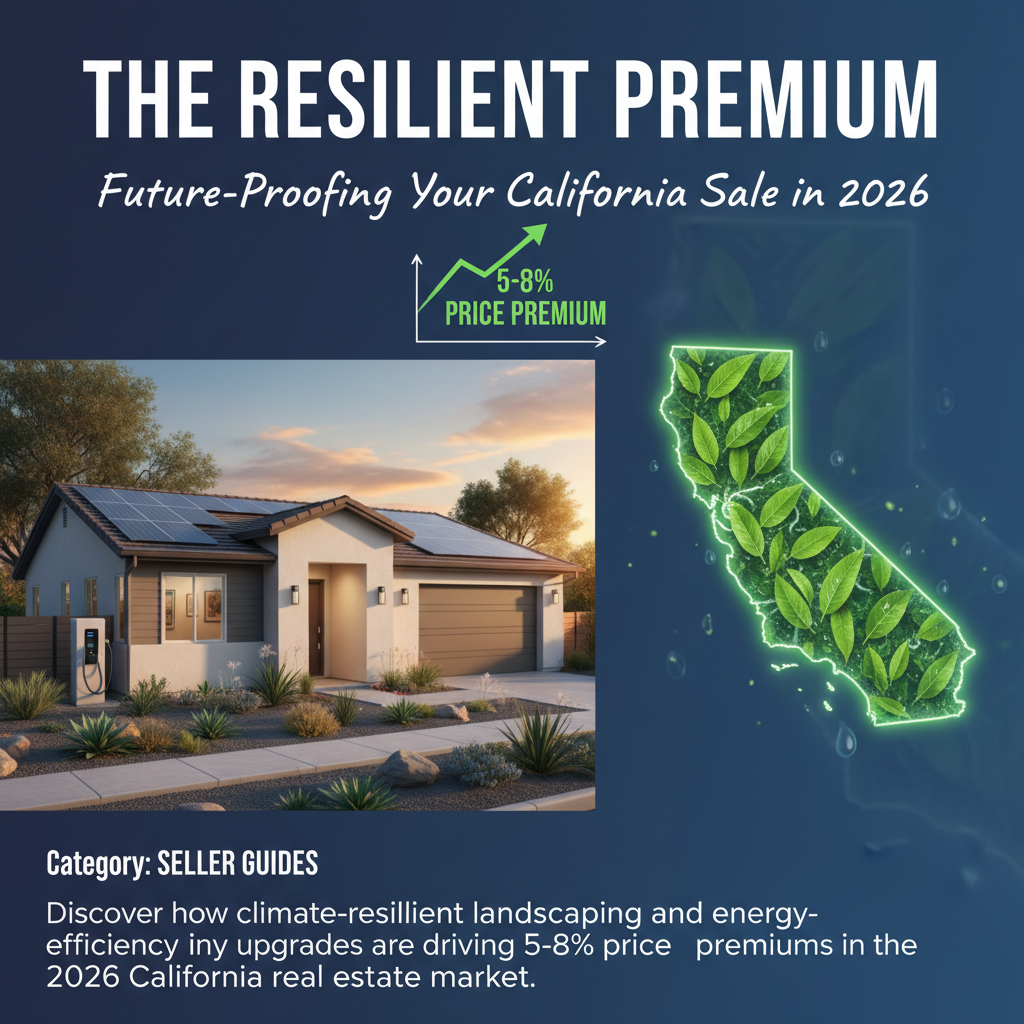
As we navigate the spring 2026 market, a distinct shift has occurred in California real estate. While curb appeal remains vital, the definition of an 'attractive' home has evolved. Today’s buyers, weary of rising utility costs and increasing environmental volatility, are prioritizing resilience and efficiency over purely ornamental features. Selling a home in 2026 requires a strategy that highlights a property’s ability to withstand the state’s unique climate challenges while minimizing long-term carrying costs.
The ROI of Water-Wise Landscaping
Traditional lush lawns are increasingly seen as a liability rather than an asset. According to the 2025 National Association of REALTORS® (NAR) Remodeling Impact Report, climate-resilient landscaping now offers one of the highest returns on investment in the Western United States, often recouping over 100% of costs at resale. In California, adherence to the Model Water Efficient Landscape Ordinance (MWELO) is no longer just for new builds; it is a marketing goldmine for sellers.
Sellers should focus on 'Zone 0' fire-hardening—removing combustible materials within five feet of the structure—and replacing thirsty turf with permeable pavers or native, drought-tolerant species like Manzanita or Ceanothus. This doesn't just lower the water bill; it creates a 'turnkey' exterior that appeals to the 68% of California buyers who cite 'low maintenance' as a top three priority in 2026.
The Electrification Advantage
With California’s Title 24 energy standards continually raising the bar, homes that already feature full electrification are seeing a 'green premium.' Data from the California Association of REALTORS® (CAR) indicates that homes equipped with heat pump HVAC systems and induction cooktops sell approximately 12 days faster than those relying on legacy gas infrastructure.
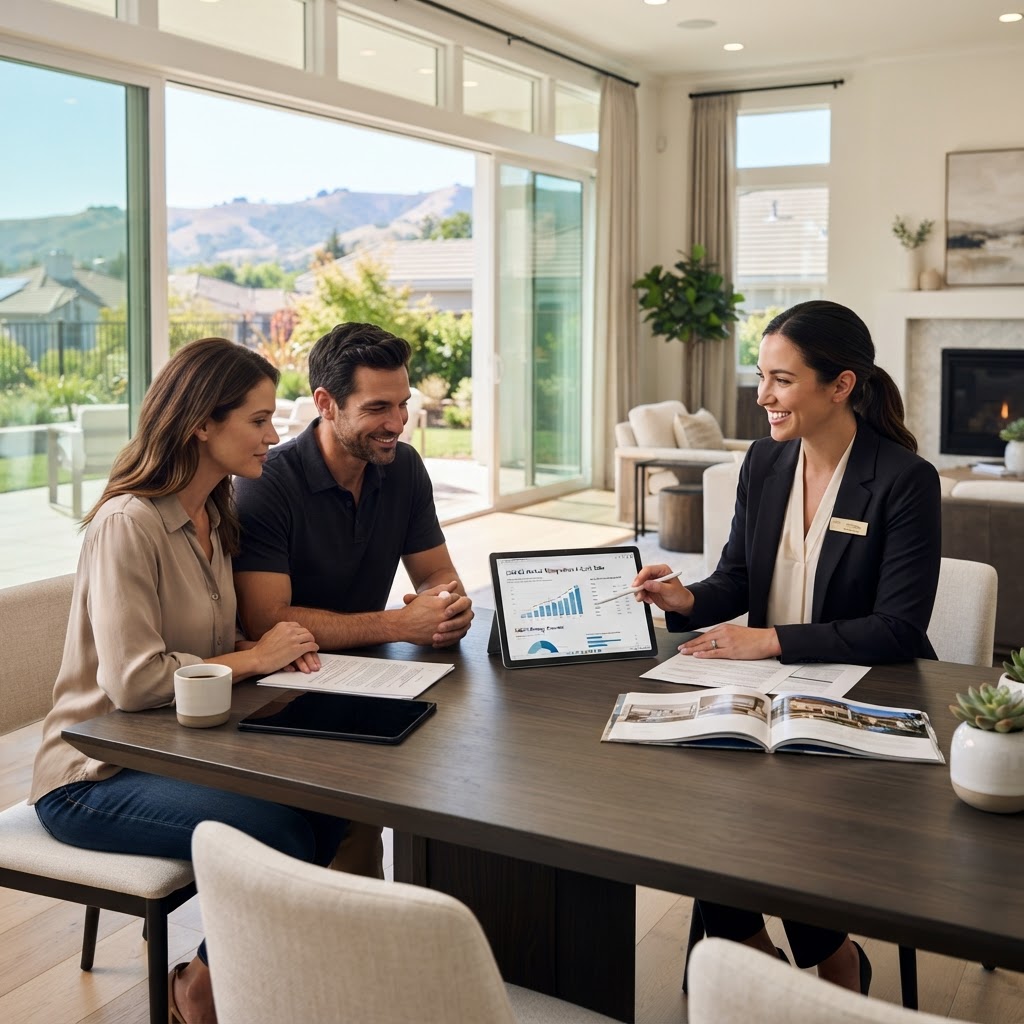
For sellers, the strategy is not just about having these features, but documenting their impact. Providing a 'Resilience Dossier' that includes two years of utility bills and certificates for energy-efficient upgrades can justify a higher asking price in a competitive market.
Practical Takeaways for 2026 Sellers
- Audit Your Energy Score: Before listing, obtain a Home Energy Score. Even if your home isn't 'Net Zero,' transparency about energy performance builds trust and prevents 11th-hour price negotiations.
- Hardscape for Fire Safety: Invest in non-combustible 'Zone 0' perimeter treatments. Highlighting 'Fire-Wise' certification in your listing descriptions is a powerful tool in high-risk regions.
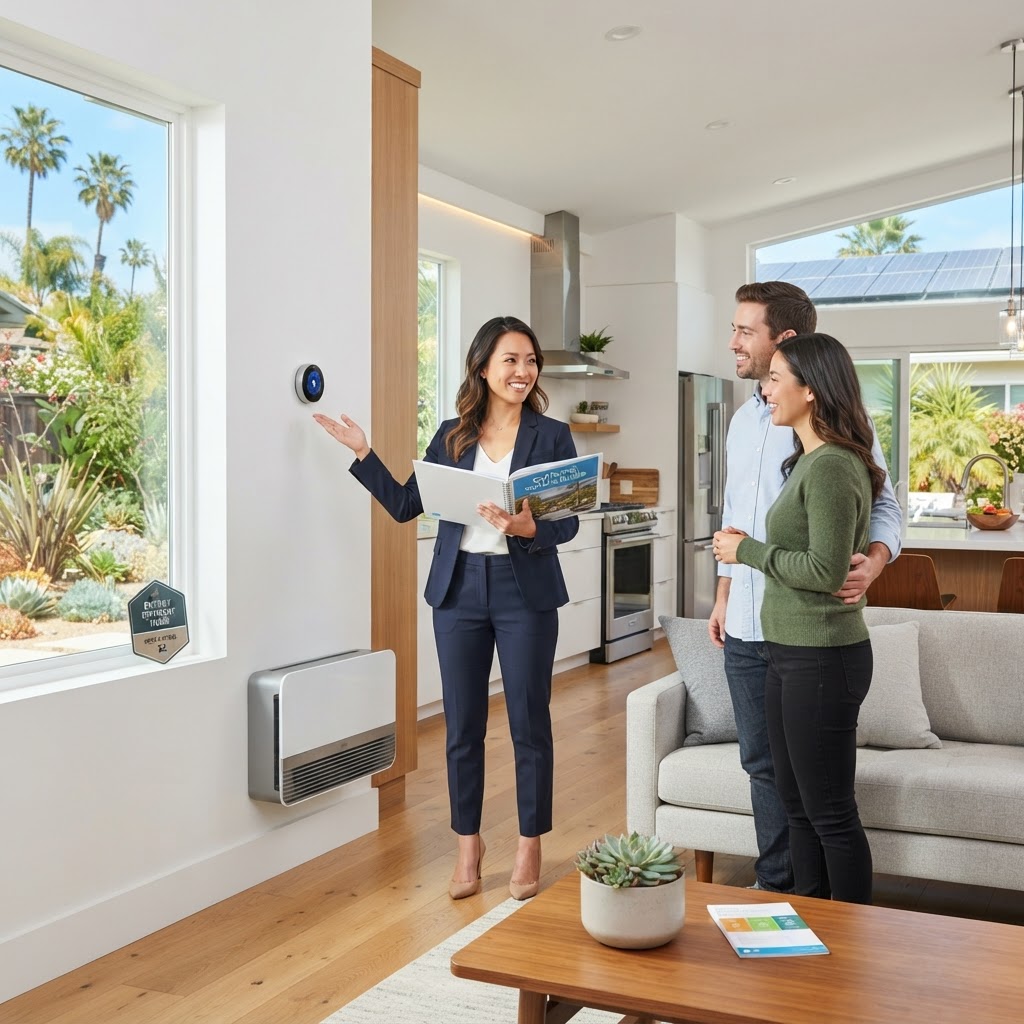
- Market the 'Invisible' Upgrades: Don’t assume buyers will notice the R-60 attic insulation or the smart irrigation controller. Use high-visibility signage during open houses to point out these value-adds.
- Leverage Rebates: If you are making upgrades before selling, utilize the 2026 Federal and State tax credits. These can offset your preparation costs, allowing you to price more aggressively while maintaining your net proceeds.
The 2026 Valuation Reality
In a market where monthly affordability is the primary hurdle, a home that guarantees lower operational costs is inherently more valuable. By positioning your property as a climate-resilient sanctuary, you aren't just selling a house; you are selling financial predictability and future-proofed peace of mind.