The Convergence of Heritage and High-Tech
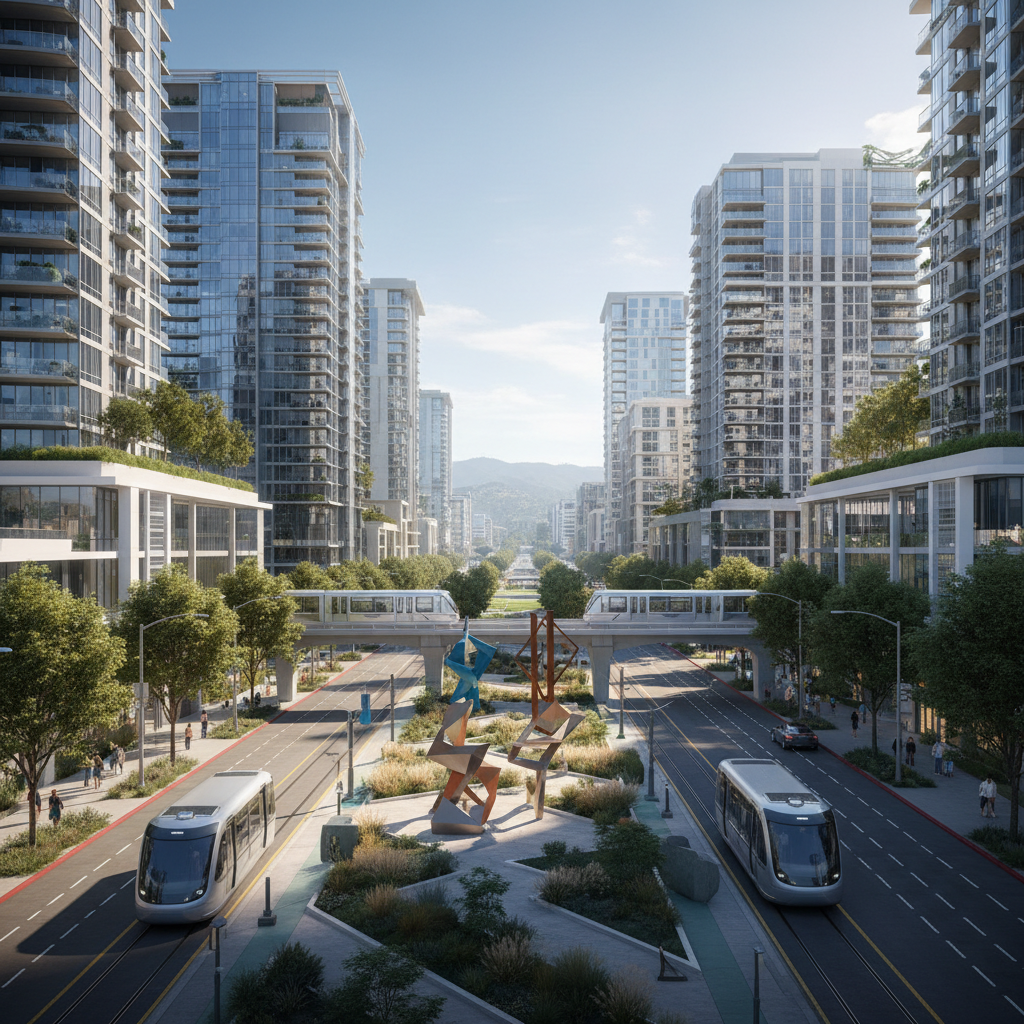
In the spring of 2026, the real estate narrative of Silicon Valley has shifted from the sprawling office parks of the 2010s to integrated, transit-oriented urban cores. At the heart of this evolution is The Alameda and the Rose Garden district of San Jose. Long known as the 'Grand Central' of San Jose’s historic wealth, this corridor has successfully transitioned into the primary residential beneficiary of the massive Downtown West redevelopment. Unlike the high-density glass towers of the city center, The Alameda offers a low-density, high-prestige alternative that is now fetching a significant premium.
The Diridon-Google Catalyst
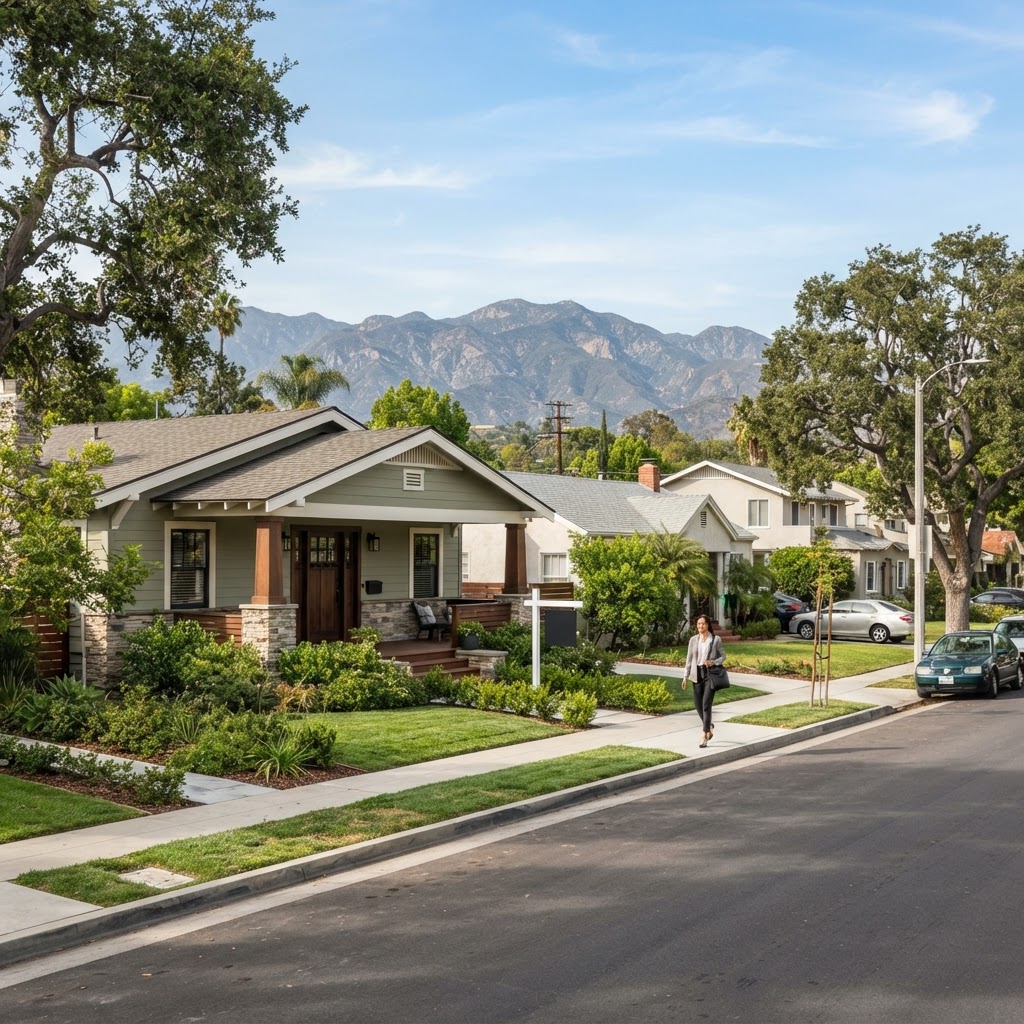
The primary driver of value in 2026 is the completion of the first phase of Google’s 80-acre Downtown West campus and the continued expansion of Diridon Station. According to recent data from the Santa Clara County Association of Realtors (SCCAOR), home values within a 1.5-mile radius of the station have outperformed the broader San Jose market by 14% over the last 24 months. The Alameda serves as the western gateway to this activity, offering 1920s Spanish Revivals and Craftsman estates that appeal to the 'VP-level' demographic seeking walkable luxury without the noise of the immediate tech core.
Infrastructure and Connectivity
Transportation remains the neighborhood’s strongest asset. With the electrification of Caltrain reaching peak efficiency and the continued progress of the BART extension into downtown, residents of The Alameda are uniquely positioned. A commute to San Francisco or the East Bay is now more reliable than ever, making this pocket a 'triple-threat' location: proximity to major tech employers, high-speed regional transit, and local walkability. The Alameda’s 'Main Street' revival has seen a 30% increase in boutique retail and upscale dining occupancy since 2024, anchored by the Whole Foods Market and the historic San Jose Municipal Rose Garden.
Educational Excellence
For families, the Rose Garden area continues to command a premium due to its access to top-tier public and private institutions. Hester Elementary and Abraham Lincoln High School remain stable anchors, while the proximity to Bellarmine College Preparatory and Santa Clara University provides an academic continuum that few other South Bay neighborhoods can match. Census data from 2025 indicates a 're-greening' of the neighborhood, with a 12% increase in households with school-aged children, reversing a decade-long trend of aging demographics.
Strategic Investor and Buyer Takeaways
- For Buyers: Focus on the 'Garden Streets'—those tucked between The Alameda and the Rose Garden. While entry prices are high (averaging $1.9M for a 3-bedroom), the supply constraint ensures long-term capital preservation.
- For Sellers: The market is currently rewarding 'turnkey historic' renovations. Homes that maintain 1920s aesthetics while integrating modern home-office technology and ADUs (Accessory Dwelling Units) are seeing multiple offers within 10 days on market.
- For Investors: Rental demand for luxury single-family homes is at an all-time high. With Google’s campus now operational, the influx of high-salaried professionals has created a shortage of high-end rentals, with yields climbing to 4.2%—a rarity for San Jose residential assets.
As we look toward the second half of 2026, The Alameda stands as a testament to the enduring value of historic charm when paired with strategic urban investment. It is no longer just a 'quiet neighborhood'; it is the residential spine of the new Silicon Valley.