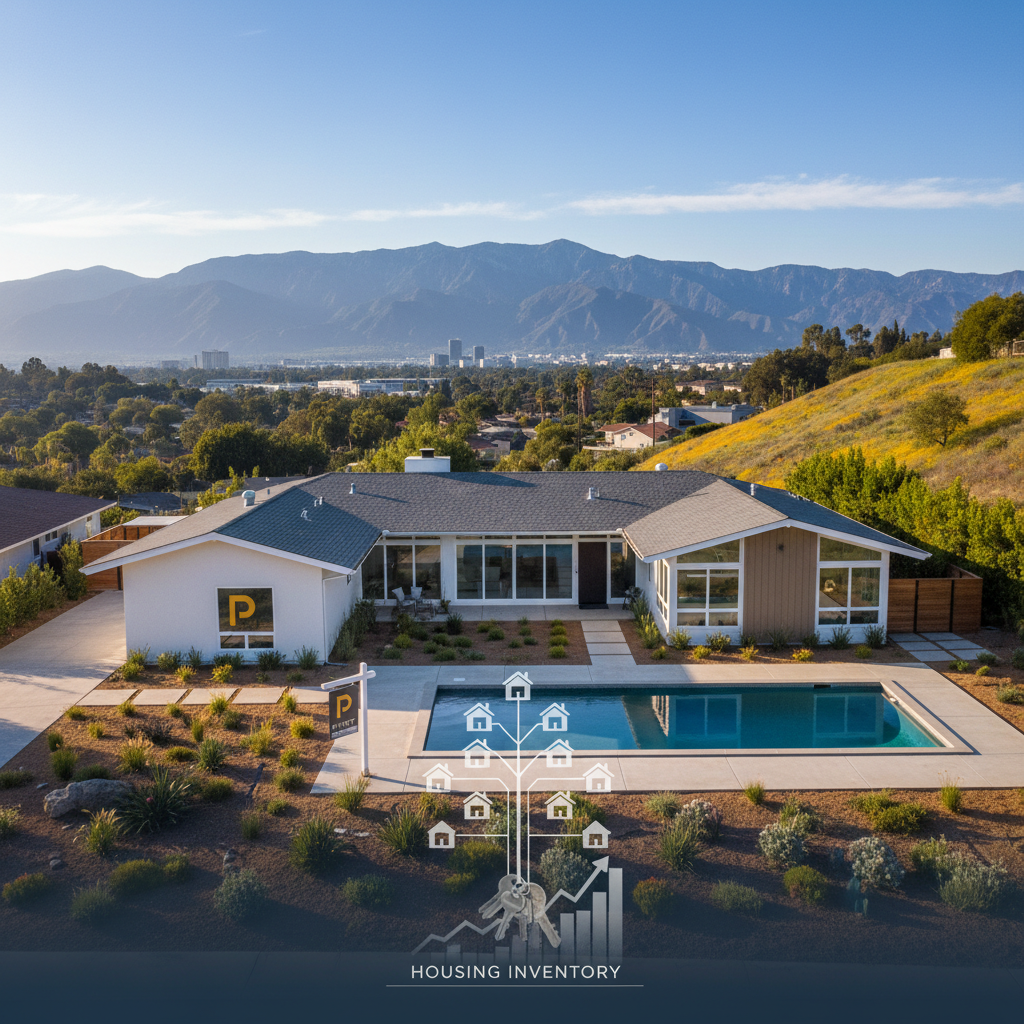
The Great Wealth Transfer Hits the Golden State
As of April 2026, the California real estate landscape is witnessing a structural shift that few analysts predicted two years ago. While high interest rates previously locked homeowners into their existing mortgages, a biological inevitability is finally loosening the state’s notorious inventory gridlock. The 'Great Wealth Transfer' has moved from a demographic theory to a market-moving reality, as a record number of inherited properties hit the Multiple Listing Service (MLS) across Los Angeles, the Bay Area, and San Diego.
Data Behind the 2026 Legacy Surge
According to the California Association of Realtors (CAR) April 2026 report, probate-related listings and 'successor trustee' sales now account for 18% of all active residential inventory, a 40% increase compared to the 2021-2024 average. Data from the UCLA Anderson Forecast suggests that as the eldest segment of the Baby Boomer generation enters their 80s, California—which has the highest concentration of primary residence equity in the nation—is seeing approximately $45 billion in residential real estate change hands annually through inheritance.
This influx of 'legacy inventory' differs significantly from the speculative new builds or institutional flips of previous years. These homes are frequently offered in 'as-is' condition, often lacking the modern energy retrofits or open-concept floor plans demanded by today’s turnkey buyers. This has created a widening price gap: while turnkey homes continue to command record-high prices per square foot, 'successor-held' properties are trading at a 12% to 15% discount, providing a rare window of opportunity for those willing to manage renovations.
The Impact on Market Dynamics
The shift is also altering regional competition. In historically impenetrable markets like Pasadena, Palo Alto, and La Jolla, the surge in probate sales is bypassing the typical 'bidding war' frenzy. Heirs, often living out-of-state or facing significant capital gains tax considerations, are increasingly prioritizing certain execution and shorter escrow periods over the absolute highest price point. This trend is particularly evident in the 2026 Q1 data from the National Association of Realtors (NAR), which shows a 22-day decrease in average time-on-market for inherited properties compared to standard listings.
Practical Takeaways for Market Participants
- For Buyers: Look for listings mentioning 'Successor Trustee' or 'Probate.' These sellers are often motivated by the desire to settle an estate rather than maximize a marginal profit. Ensure you have a renovation budget pre-allocated, as many of these homes will not meet traditional FHA 'move-in ready' standards.
- For Investors: The 'Inheritance Discount' is the new frontier for value-add plays. With the 2026 regulatory streamlining for infill ROI (as seen in recent CEQA reforms), many of these legacy lots are prime candidates for minor lot splits or ADU additions under current SB 9 guidelines.
- For Sellers (Heirs): Consult with a tax professional regarding 'step-up in basis' rules. In California’s 2026 tax environment, selling shortly after the transfer can significantly mitigate capital gains exposure, but ensuring the property meets basic safety 'Point-of-Sale' requirements remains essential to avoid escrow delays.
A New Equilibrium?
While this surge in inventory is not a 'crash,' it represents a healthy cooling mechanism for a market that has been characterized by chronic undersupply. The 2026 Probate Pivot suggests that California’s housing market is finally finding a way to recycle its existing housing stock, providing a path forward for a new generation of homeowners to plant roots in the Golden State.


