The Scarcity Hedge: Why South Pasadena Defies Regional Trends
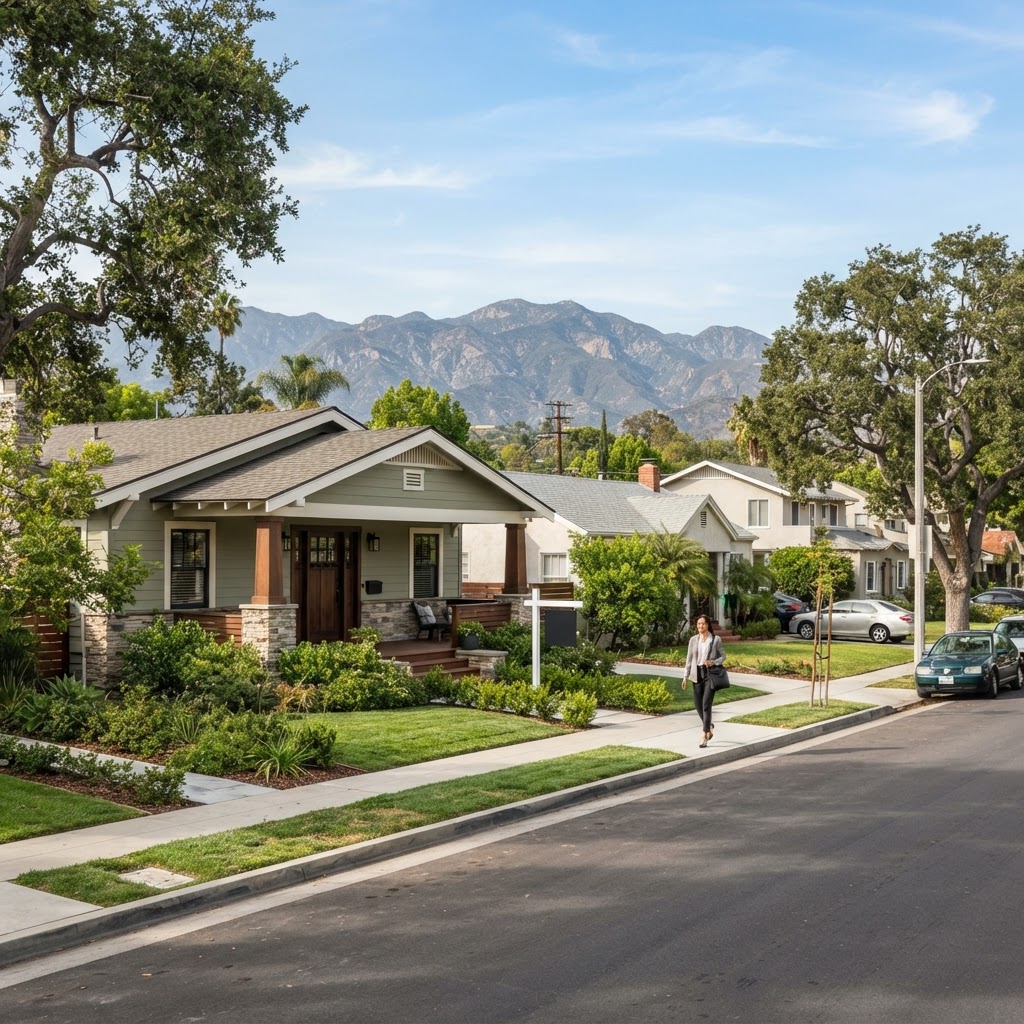
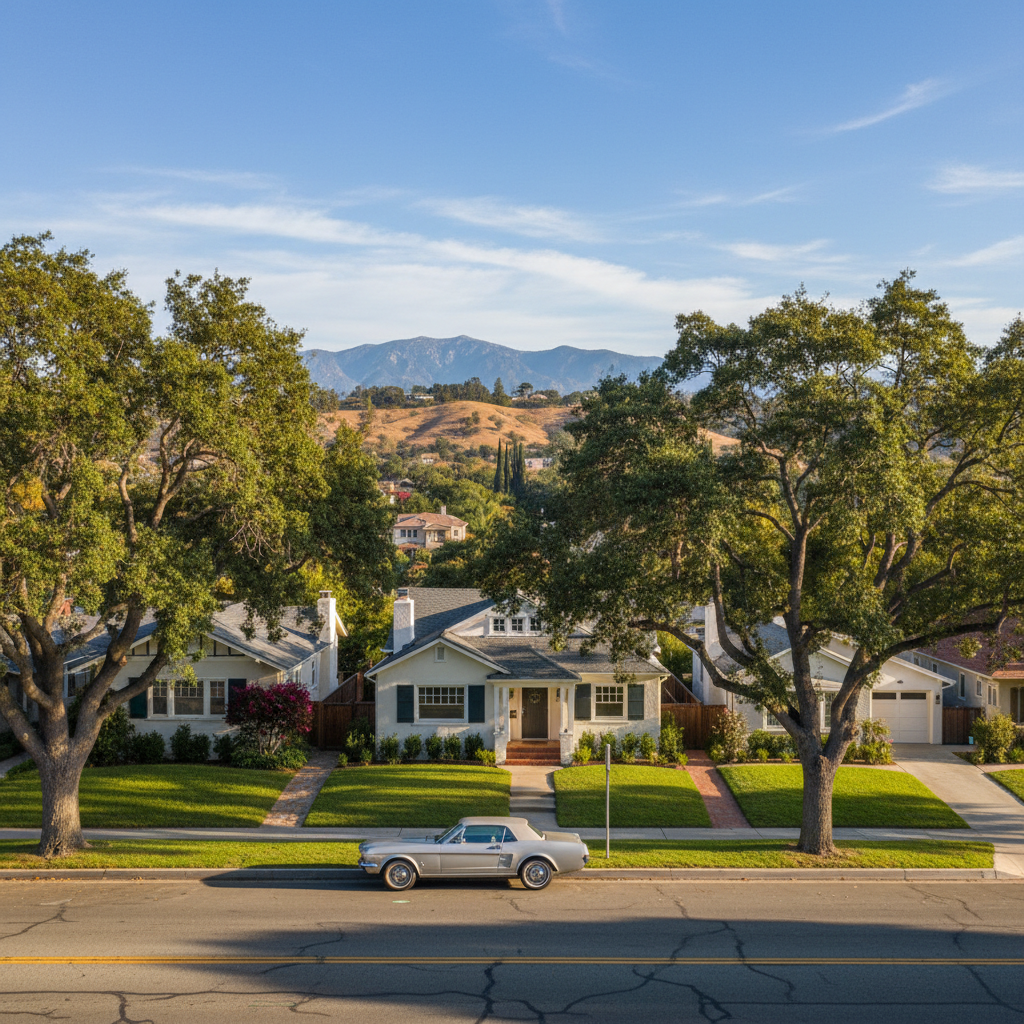
As of April 2026, the California housing market has largely pivoted toward high-density transit hubs. However, South Pasadena stands as a deliberate and highly profitable outlier. While neighboring Los Angeles districts have aggressively rezoned for multi-family units under state mandates, South Pasadena has maintained its ‘City of Trees’ identity, creating a scarcity premium that has seen property values outpace the Los Angeles County average by 14% over the last 36 months.
The 710 Reclamation: From Freeway Threat to Green Asset
The defining shift for the neighborhood in 2026 is the completion of the first phase of the '710 Stub' reclamation. After decades of litigation regarding the freeway extension, the reclaimed land along the city’s western border has been transformed into a mix of passive parkland and low-impact residential projects. According to recent MLS data, homes within a half-mile radius of the new 'Oakholl Park' (the former 710 terminus) have seen a 22% appreciation since the project's groundbreaking, as what was once a source of pollution and noise has become the city’s newest lung.
The SPUSD Dividend: Education as an Asset Class
The South Pasadena Unified School District (SPUSD) continues to be the primary driver for residential demand. In 2026, SPUSD ranks in the top 1% of California districts for both STEM participation and humanities. For investors and homeowners, this translates to ‘recession-proof’ equity. Data from the California Association of Realtors (CAR) indicates that even during the market softening of 2024, South Pasadena maintained a sub-20 day average on market (DOM), largely due to families seeking entry into the district.
Amenities and Connectivity: The 15-Minute Suburb
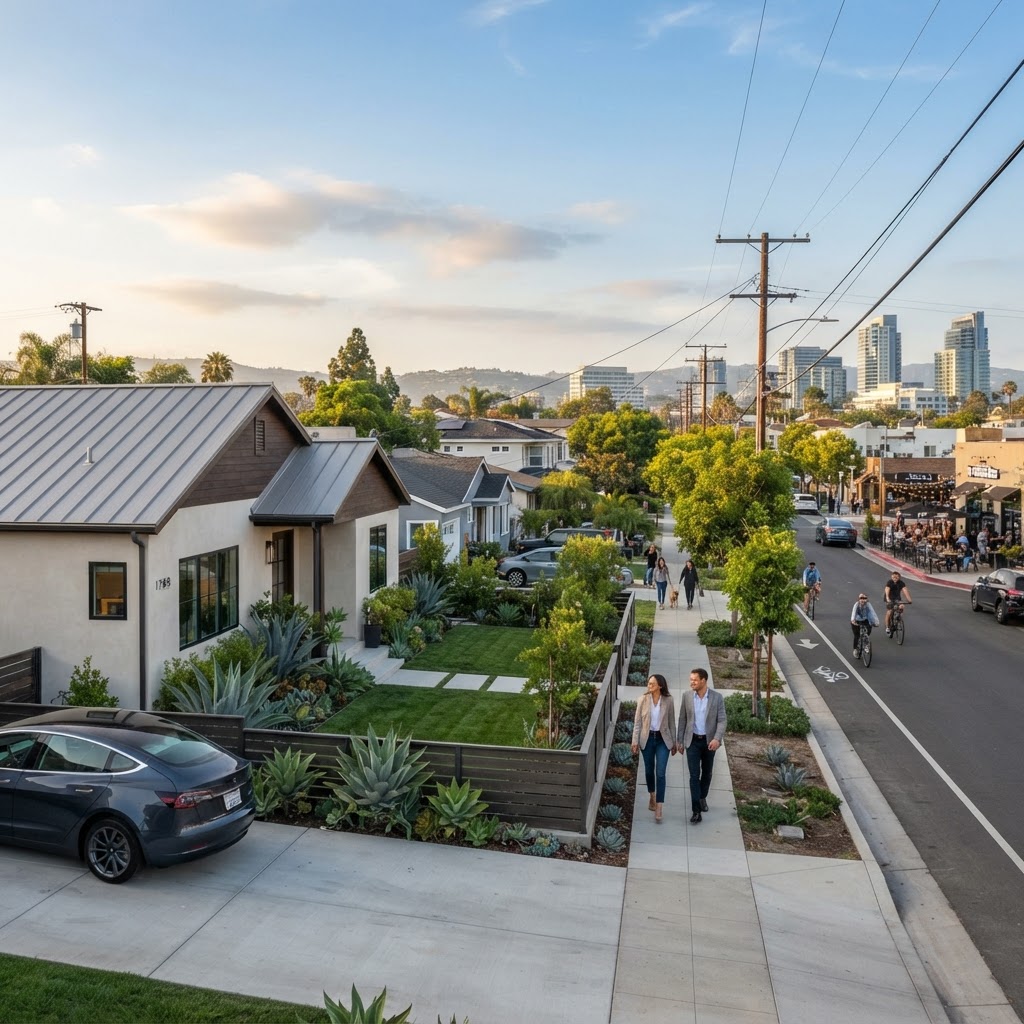
Unlike newer master-planned communities, South Pasadena offers a mature ‘15-minute city’ profile. The Mission Street District serves as the cultural heart, anchored by the Metro A Line (formerly Gold Line) station.
- Transportation: The A Line provides a 15-minute commute to DTLA and a 10-minute commute to the tech offices of Old Pasadena, making it a preferred choice for high-earning professionals who value transit over traffic.
- Walk Score: The central core maintains a Walk Score of 89, a rarity for a suburban enclave with such high-tier detached housing.
- Retail Mix: A strict limit on big-box retail has preserved a boutique economy, which local economic reports suggest keeps approximately 40% more revenue within the municipal tax base compared to neighboring sprawl-heavy cities.
Practical Takeaways for 2026 Stakeholders
For Buyers: Expect fierce competition for single-family homes (SFHs). The ‘entry-level’ price point for a three-bedroom bungalow now sits at $1.85 million. Buyers should look toward the 'Altos' area for long-term hold stability.
For Sellers: Inventory remains at historic lows (less than 1.2 months of supply). The 2026 market favors sellers who emphasize energy-efficient retrofits and ADU (Accessory Dwelling Unit) potential, as South Pasadena has streamlined ADU permits to meet state housing quotas while preserving primary structures.
For Investors: The rental market is exceptionally tight. Luxury townhomes near the Mission Street Metro station are seeing 4.5% cap rates—highly competitive for a low-risk, high-appreciation submarket.
Conclusion
South Pasadena in 2026 proves that preservation is not just about history; it is a sophisticated economic strategy. By turning a former freeway threat into a green corridor and doubling down on its independent school district, the city has secured its status as Southern California’s premier 'slow-growth' sanctuary.