The Transformation of the 'City of Good Living'
As of April 2026, San Carlos has successfully navigated a transition that many Peninsula suburbs have struggled to achieve: maintaining a high-tier residential character while becoming a primary engine of the Bay Area’s life sciences economy. Once known primarily as a 'bedroom community' between San Francisco and San Jose, the San Carlos of 2026 is now a destination in its own right, anchored by a sophisticated mix of laboratory space, luxury multi-family housing, and a revitalized downtown core.
The Life Science Powerhouse
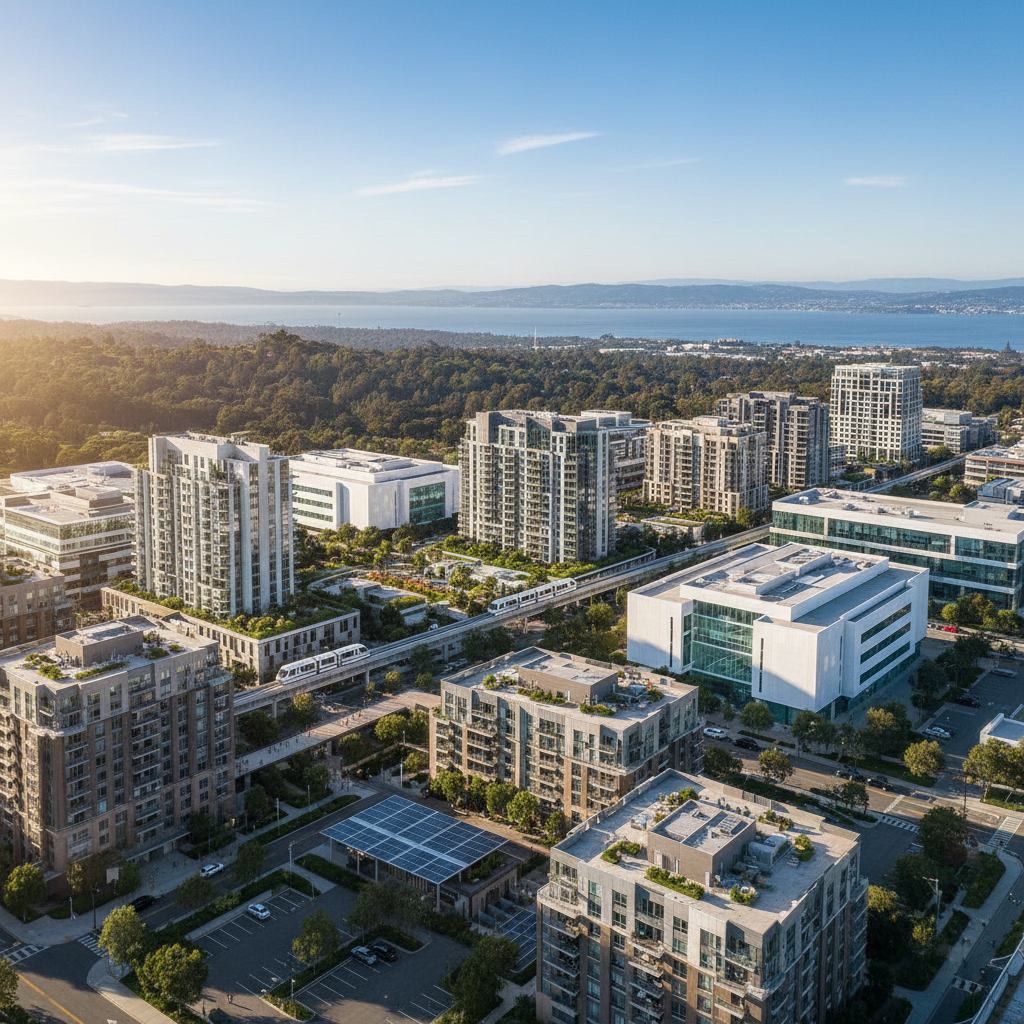
The industrial corridor east of Highway 101 has undergone a total metamorphosis. According to 2026 CBRE data, San Carlos now commands over 4 million square feet of Class A laboratory space, with vacancy rates hovering below 5% despite significant new deliveries in the last 24 months. The expansion of the Alexandria District and the completion of the many 'warm-shell' lab projects have brought thousands of high-income professionals to the city, creating a 'walk-to-work' ecosystem that didn't exist a decade ago.
Transportation and the Caltrain Catalyst
A pivotal factor in the neighborhood's 2026 appeal is the fully matured Caltrain Electrification project. With trains now running every 15 minutes during peak hours and significantly reduced noise levels, the San Carlos Transit Center has become a focal point for transit-oriented development (TOD). For residents, this means a 15-minute commute to Palo Alto or a 35-minute ride to San Francisco’s Chase Center, making San Carlos the most accessible 'middle ground' for dual-career households split between the South Bay and the City.
Real Estate Dynamics and Education
The real estate market reflects this surge in demand. MLS data from Q1 2026 indicates a median single-family home price of $2.85 million, a 12% increase from 2024 levels, driven by the influx of biotech executives. The San Carlos School District (SCSD) remains a primary draw; schools like Heather and Brittan Acres continue to rank in the top 5% statewide, consistently achieving high Academic Performance Index (API) equivalents. Unlike neighboring cities that have seen enrollment declines, San Carlos has seen a steady influx of young families attracted by the 'small-town' feel of Laurel Street.
Community Amenities and Lifestyle
Laurel Street remains the heartbeat of the community. In 2026, the 'permanent parklet' program has turned three blocks into a pedestrian-only European-style plaza. The dining scene has matured alongside the economy, featuring Michelin-recognized eateries that cater to both the weekday business lunch crowd and the weekend family demographic. To the west, the proximity to Pulgas Ridge and Edgewood Park provides an outdoor escape that balances the high-density development happening near the transit corridor.
Practical Takeaways for 2026
- For Investors: Look to the 'East of 101' peripheral zones. As lab space reaches saturation, secondary service businesses (specialty gyms, upscale fast-casual dining) are seeing high demand with limited supply.
- For Buyers: The 'White Oaks' neighborhood remains the gold standard for appreciation, but the 'Greater North Side' near the transit hub offers the best rental yield potential due to the proximity to new life science campuses.
- For Sellers: Modernization is key. 2026 buyers are prioritizing 'smart-home' lab-grade air filtration and dedicated home office suites, even as the commute returns to favor.