The Evolution of the Screen Capital
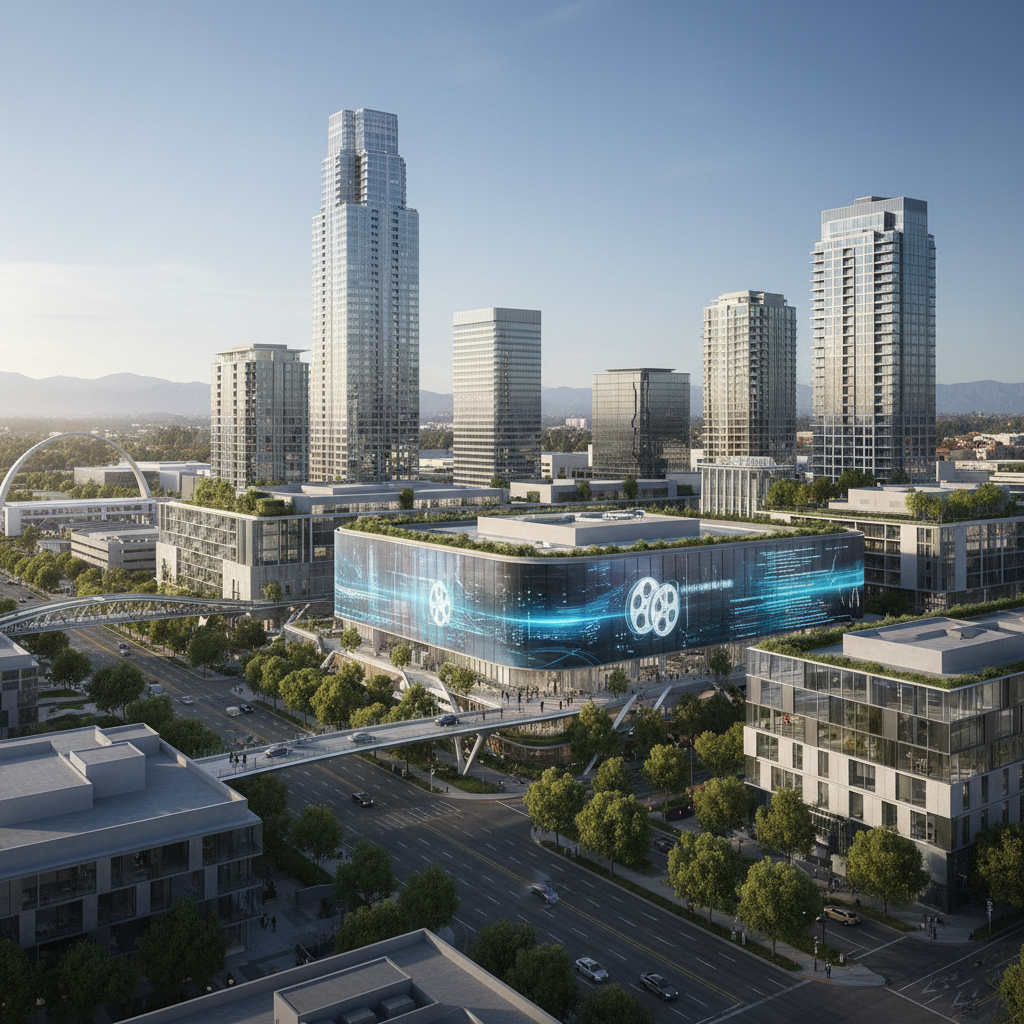
As of April 2026, Culver City has successfully navigated the post-pandemic commercial shift by cementing its status as the global Screen Capital. While other Los Angeles submarkets have struggled with office vacancies, the Hayden Tract and Culver City downtown core maintain a remarkably tight 7.4% vacancy rate, according to Q1 2026 CBRE data. This resilience is anchored by the permanent physical consolidation of Amazon Studios, Apple TV+, and Sony Pictures, which have collectively transformed this former industrial zone into a high-density nexus of media and technology.
The CCUSD Premium and Residential Demand
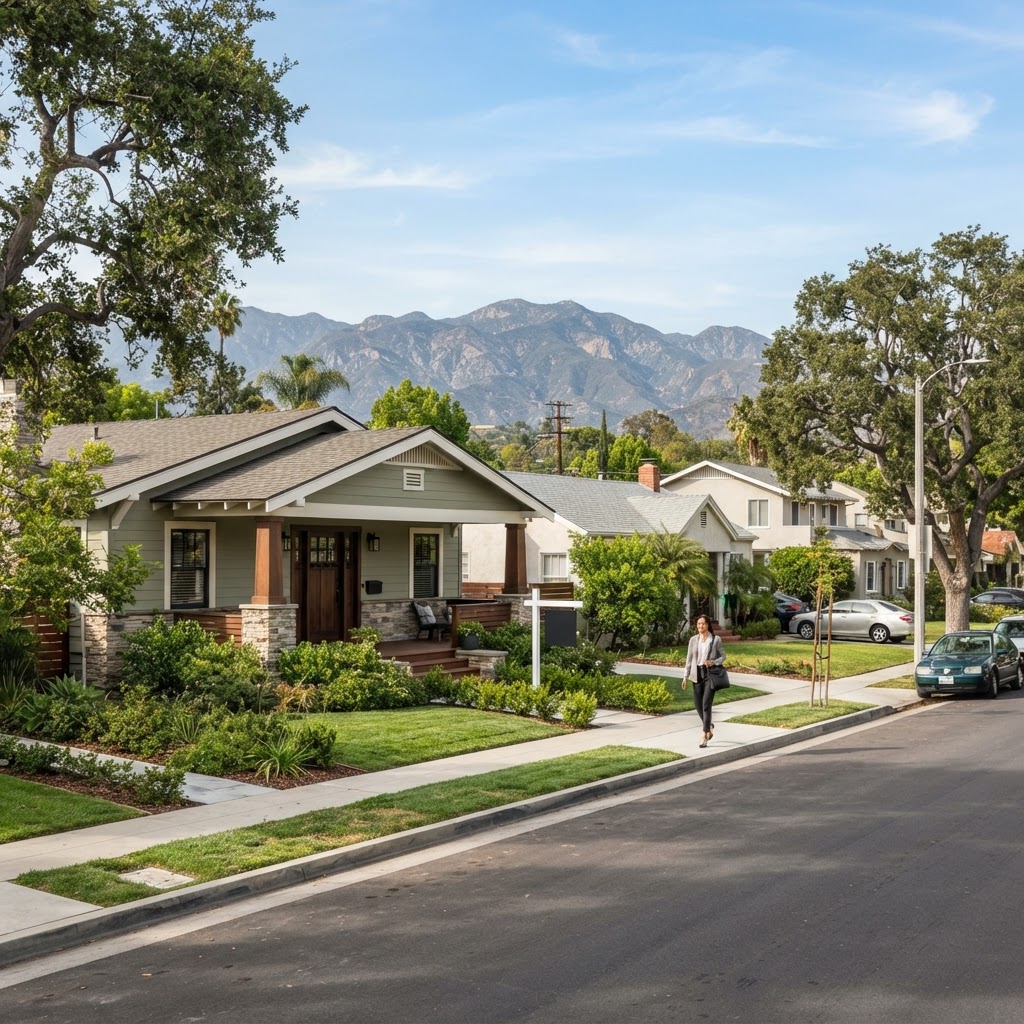
The neighborhood’s residential appeal remains inextricably linked to the Culver City Unified School District (CCUSD). In 2026, homes within the district continue to command a 15-20% price premium over comparable properties in adjacent Los Angeles neighborhoods like Mar Vista or Palms. Per MLS data from March 2026, the median sales price for a single-family home in Culver City has reached $2.15 million, driven by a chronic inventory shortage and the influx of high-earning tech and media professionals who value the independent city services and highly-rated local schools.
The Transit-Oriented Living Success Story
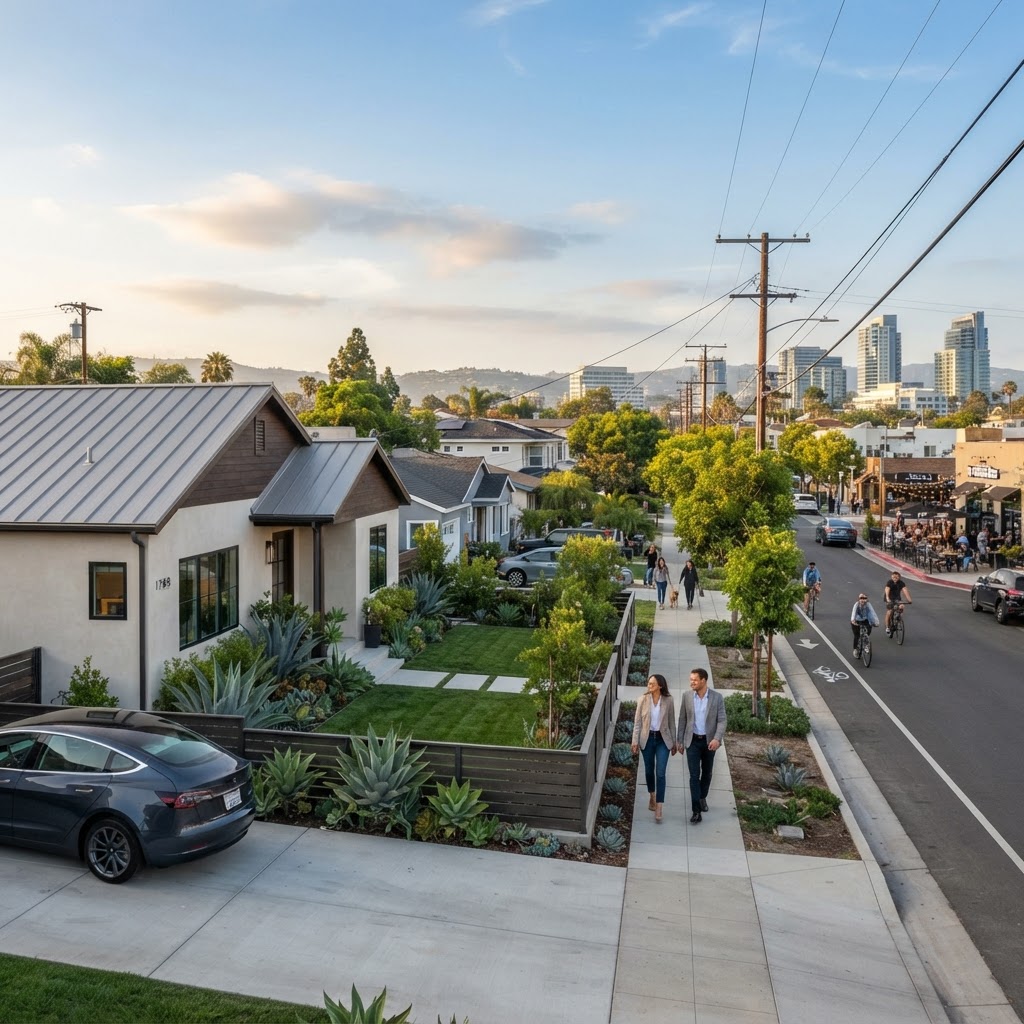
The success of the Ivy Station and the surrounding Transit-Oriented Development (TOD) projects has redefined the local lifestyle. Situated at the junction of the Metro E Line, these developments have created a 15-minute city micro-climate. Residents now prioritize walkability to the platform, allowing for a 20-minute commute to either Santa Monica or Downtown LA. This connectivity is a major driver for the 2026 rental market, where luxury 1-bedroom apartments near the station are currently fetching upwards of $4,200 per month, reflecting a 5.8% year-over-year increase.
Strategic Takeaways for Stakeholders
- For Buyers: Focus on the ‘Ladders’ area or Carlson Park. While entry prices are high, these pockets offer the best long-term stability due to strict zoning that limits over-densification while preserving historic charm.
- For Investors: The 2026 market is all about the ADU (Accessory Dwelling Unit). With the city’s streamlined permitting for back-house units, many homeowners are seeing a 7-9% cap rate on new-build rentals that cater to the transient creative workforce.
- For Sellers: Modernization is key. Properties featuring integrated high-speed fiber and dedicated 'studio-grade' home offices are selling 30% faster than traditional layouts, as hybrid work remains the standard for the entertainment-tech workforce.
As the region prepares for the 2028 Olympics, Culver City stands as a blueprint for how a mid-sized California city can leverage legacy industries to build a modern, transit-rich urban core without losing its distinct community identity.