The Psychological Rate Parity: Breaking the 3% Golden Handcuffs
For nearly four years, the California real estate market was defined by the 'locked-in' effect—a phenomenon where homeowners with pandemic-era mortgage rates of 2.5% to 3.5% refused to sell, fearing the leap to 7% rates. However, as of April 2026, the landscape has shifted. With the Federal Reserve stabilizing the terminal rate and 30-year fixed mortgages hovering around 5.8%, the psychological gap has finally narrowed enough to trigger a significant inventory thaw.
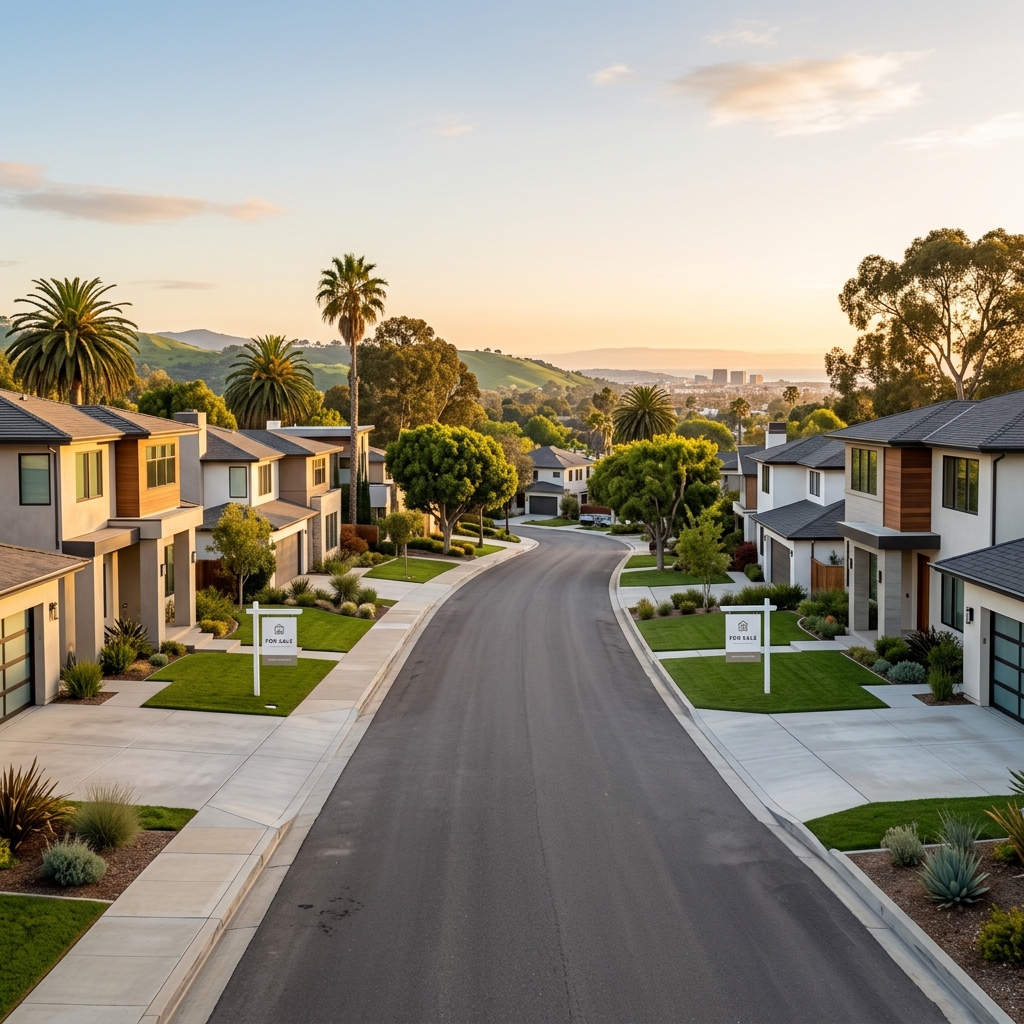
According to recent data from the California Association of Realtors (CAR), active listings across the state have surged by 14.2% year-over-year in Q1 2026. This isn't a sign of distress, but rather a long-awaited 'liquidity event' as move-up buyers and downsizers accept the new normal of interest rates in the 5% range.
The 5.5% Threshold and Market Velocity
Market analysis suggests that 5.5% to 5.8% represents the 'psychological parity' point for many California homeowners. Data from Freddie Mac and MLS reports indicate that when the spread between a homeowner’s current rate and the prevailing market rate drops below 250 basis points, the propensity to list increases by nearly 40%. In high-value markets like Orange County and the San Francisco Peninsula, this has led to a 11% increase in 'move-up' transactions compared to the same period in 2025.
Investment Perspective: From Yield Compression to Volume Gains
For institutional and private investors, the 2026 trend is shifting from a hunt for rare distressed assets to a volume-based strategy. The CBRE 2026 Outlook highlights that as inventory rises, the 'bidding war' fatigue of previous years is being replaced by more traditional negotiation cycles. Investors are finding opportunities in 'Second-Tier Coastal' markets—cities like Ventura, Santa Cruz, and Oceanside—where the inventory rebound is most pronounced as remote-work flexibility stabilizes.
- Appreciation Normalization: California’s statewide median price is projected to grow by a sustainable 3.4% in 2026, a departure from the volatile double-digit swings of the early 2020s.
- The ADU Multiplier: State-level zoning reforms continue to bolster values. Investors are increasingly targeting properties with 'ADU-ready' footprints to offset higher carrying costs with rental income.
Economic Trends Influencing the 2026 Market
California’s economic resilience, particularly in the aerospace and clean-energy sectors, is providing a solid floor for real estate valuations. The U.S. Census Bureau recently noted a stabilization in California’s domestic migration patterns, with the 'outflow' to neighboring states slowing significantly as hybrid work mandates require closer proximity to California’s major economic hubs.
Practical Takeaways for 2026 Market Participants
For Sellers:
With inventory rising, the 'list it and they will come' era is over. Professional staging and aggressive digital marketing are again essential. Focus on highlighting energy efficiency and climate-resilient upgrades, which have become top-tier priorities for modern buyers.
For Buyers:
Inventory is at its highest level in five years. Buyers now have the leverage to demand home inspections and appraisal contingencies that were often waived in 2024. Look for 'stale' listings that have been on the market for over 30 days to negotiate rate buy-downs or closing cost credits.
For Investors:
Focus on the 'Equity Bridge.' As move-up buyers enter the market, there is a growing demand for mid-range suburban homes. Look for 'fix-to-flip' opportunities in neighborhoods where the 2021-2023 inventory drought led to deferred maintenance across the board.
Conclusion
The California real estate market in April 2026 is one of transition. The 'Great Rate Thaw' is facilitating a healthier, more balanced ecosystem. While the days of sub-3% money are in the rearview mirror, the return of inventory and transaction velocity signals a robust and sustainable path forward for the nation’s largest property market.