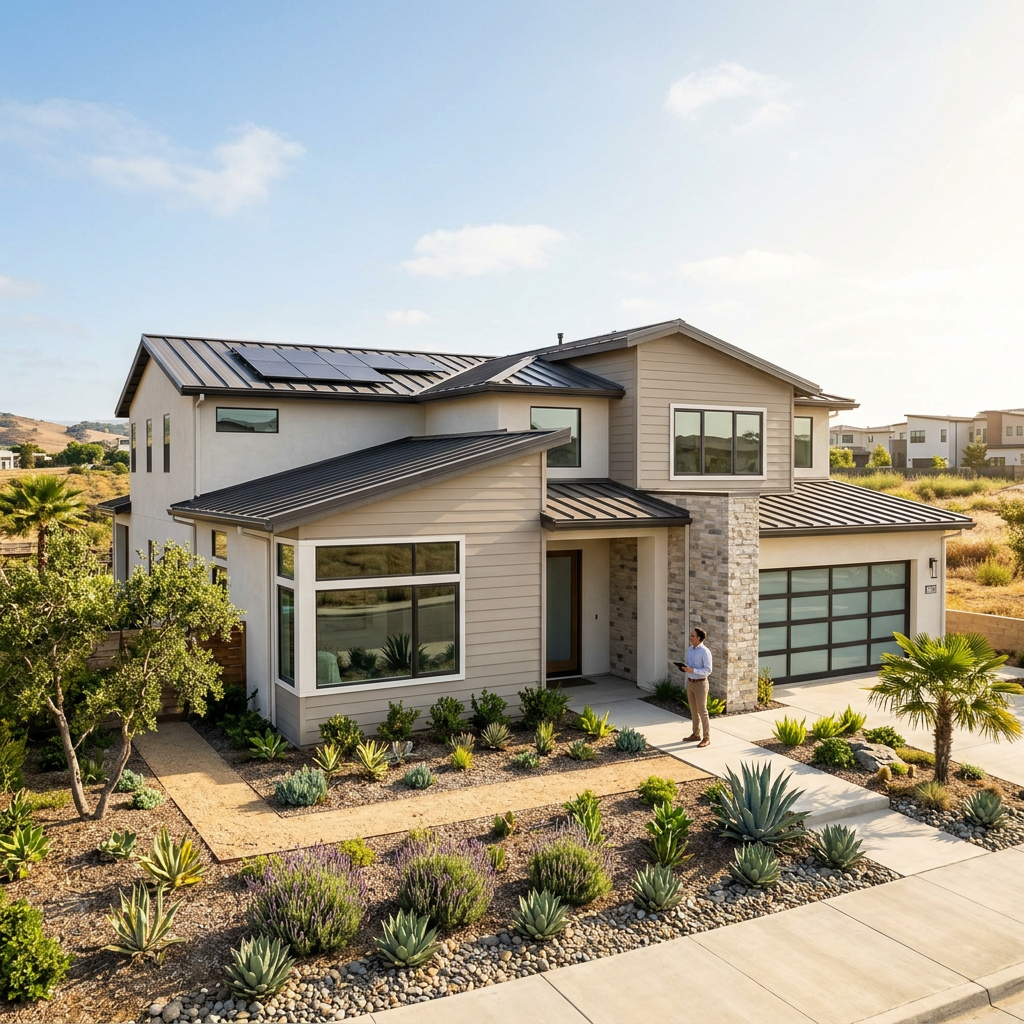
Navigating the New Physical Standards of California Real Estate
As of April 2026, the California housing market has moved beyond the traditional 'as-is' sale. While the California Association of Realtors (CAR) reports a median home price of $912,500—a 4.2% year-over-year increase—the real story for buyers isn't the price tag, but the 'Physical Compliance Gap.' In the current regulatory environment, purchasing a home requires navigating a complex web of mandatory wildfire hardening, water conservation retrofits, and energy-efficiency standards that are now triggered at the point of sale.
The AB 38 Legacy: Wildfire Hardening is No Longer Optional
While previous years focused on disclosure, 2026 marks the first full year where 'Home Hardening' and 'Defensible Space' compliance are non-negotiable hurdles for closing in High Fire Hazard Severity Zones (HFHSZ). Under current protocols, buyers in these zones must verify that the seller has obtained a compliance documentation from CAL FIRE or a local agency. Failure to secure this certification can delay escrow by weeks or result in the immediate cancellation of mortgage commitments.
What to look for: Inspect the eaves for non-combustible 1/8-inch mesh screening and ensure the 'zero-to-five-foot' zone around the foundation is cleared of all organic mulch or debris. These are the two most common reasons for a failed compliance audit in 2026.
The Water-Energy Nexus: SB 1202 Compliance
New for the 2026 spring season, several California municipalities have adopted SB 1202-aligned ordinances. These require that any residential property transfer include a certificate of water-efficiency. This goes beyond low-flow toilets; it now encompasses smart irrigation controllers and, in some coastal jurisdictions, graywater readiness for laundry systems. According to recent data from the California Energy Commission, homes meeting these 'Climate-Ready' standards are currently fetching a 3% premium over non-compliant counterparts due to significantly lower utility overhead.
Market Pulse: Q2 2026 Conditions
The inventory crunch remains the defining characteristic of the California market. MLS data shows active listings are at 3.1 months of supply—slightly up from 2025 but still firmly in a seller’s market. However, a 'Compliance Delta' has emerged: homes that require immediate retrofitting to meet the 2026 insurance-readiness standards are seeing fewer bidding wars. Savvy buyers are leveraging these 'technically non-compliant' homes to negotiate significant credits, often ranging from $15,000 to $40,000, to cover the cost of mandated hardening post-close.
The Buyer’s 2026 Practical Checklist
- The NHD+ Audit: Don't just read the Natural Hazard Disclosure; request the 'Property Compliance Supplement' which details if the home has a current Wildfire Mitigation Certificate.
- Escrow Holdbacks: If a property fails a hardening inspection, negotiate an escrow holdback specifically for these repairs rather than a price reduction, as lenders are increasingly requiring the work to be completed before the first mortgage payment.
- Utility History: Request 24 months of utility data. With California’s tiered pricing, an unretrofitted home in the Inland Empire or Central Valley can cost $600/month more to cool than a climate-hardened equivalent.
Success in the 2026 California market requires looking past the staging and the square footage. Today’s buyers must be amateur building inspectors, ensuring that the dream home they are bidding on isn't a regulatory liability in disguise.


