The 2026 Compliance Cliff: A Shift in Multifamily Valuations
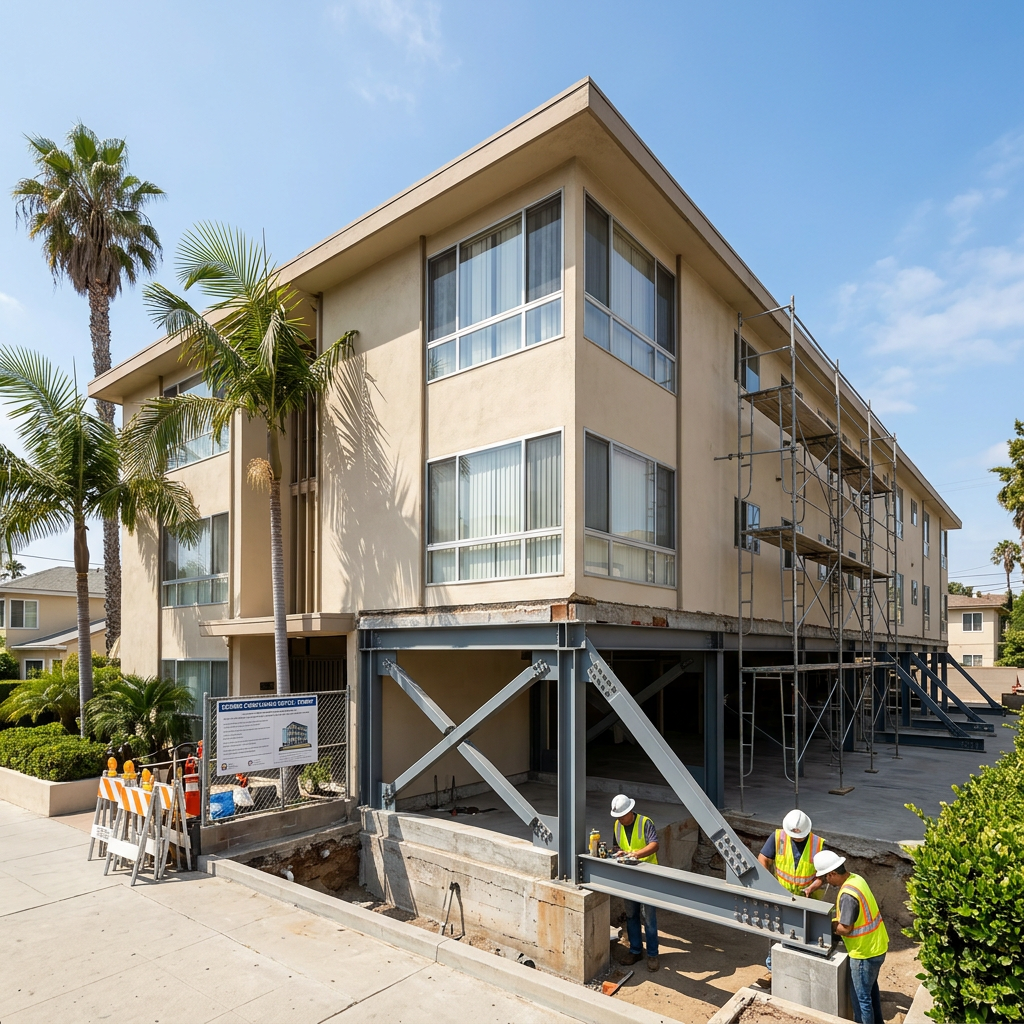
As of April 2026, the California multifamily market is navigating a significant structural shift—quite literally. With final compliance deadlines for soft-story seismic retrofitting now hitting major municipalities including Los Angeles, San Francisco, and Oakland, the 'Retrofit Discount' has become a standard fixture in commercial real estate negotiations. Property owners who delayed structural upgrades are finding that the market is no longer willing to overlook the liability of un-reinforced masonry or wood-frame 'soft-story' designs.
Market Data: The Price of Procrastination
According to recent data from the California Association of Realtors (CAR) and regional building departments, multifamily assets (5+ units) that lack a Certificate of Seismic Compliance are currently trading at a 12% to 15% discount compared to retrofitted counterparts. In the Los Angeles basin alone, an estimated 2,800 buildings remain in various stages of non-compliance as the city’s final tier of deadlines approaches.
Cost estimates for these retrofits have climbed 22% since 2024, driven by labor shortages in specialized structural engineering. The average cost for a standard 10-unit soft-story apartment now ranges between $120,000 and $185,000, not including the potential for temporary tenant relocation costs—a factor that is aggressively driving down CAP rates for distressed sellers.
The Rise of Seismic Financing and PACE Liens
A new trend in 2026 is the surge in Property Assessed Clean Energy (PACE) financing specifically repurposed for seismic resilience. While traditionally used for solar or HVAC, 'Seismic-PACE' allows owners to amortize the cost of structural work through their property tax bills. However, institutional lenders are becoming increasingly wary. Many CMBS (Commercial Mortgage-Backed Securities) lenders are now requiring full seismic clearance before refinancing, effectively 'locking' owners into their current high-interest debt until upgrades are completed.
Practical Takeaways for Stakeholders
- For Investors: Target 'Value-Add' opportunities in buildings with uncompleted retrofits, but ensure you have a firm bid from a structural engineer during the due diligence period. Use the compliance gap as a primary lever for price reduction.
- For Current Owners: If you are within 24 months of a deadline, initiate the permitting process immediately. Properties with 'Permit-Ready' plans but unstarted work are fetching significantly higher prices than those with no documentation.
- For Buyers: Verify the 'Seismic Safety Tier' of any asset via city databases ( such as LADBS or SFDBI). Do not rely on seller disclosures alone, as insurance carriers are now cross-referencing these databases before issuing new policies.
The Insurance Intersection
This movement is not just about local ordinances; it is being accelerated by the insurance industry. In 2026, several major CA carriers have made seismic retrofitting a prerequisite for earthquake coverage. Without this coverage, traditional financing becomes impossible, creating a 'forced-sale' environment for owners who lack the liquidity to fund the upgrades out-of-pocket. This has created a secondary market for private equity firms specializing in 'rescue capital' for aging California apartment stocks.


