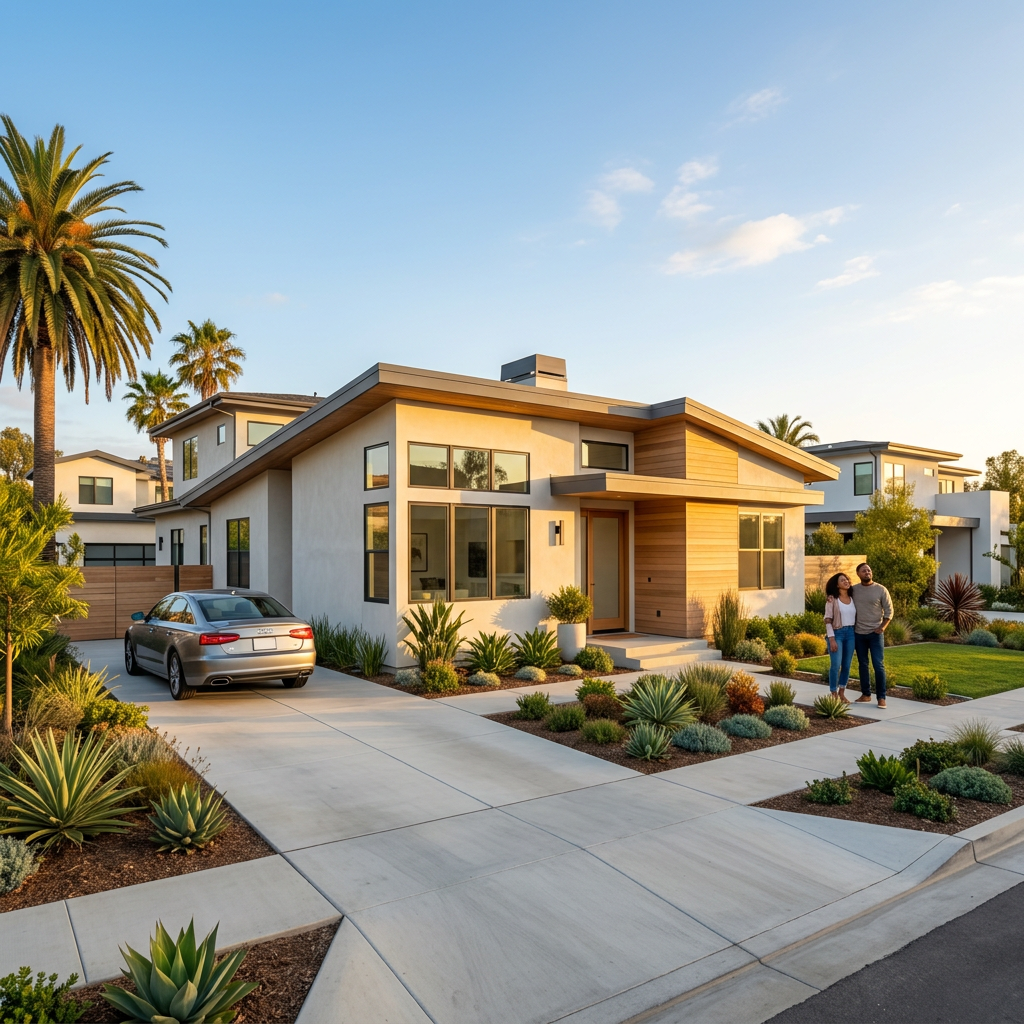
Bridging the Deposit Gap in the Golden State
As of April 8, 2026, the California housing market remains one of the most expensive in the nation, with the statewide median price for a single-family home hovering at $892,000. For many aspiring homeowners, the traditional 20% down payment—nearly $180,000—remains the primary barrier to entry. To combat this, the California Housing Finance Agency (CalHFA) has officially launched the third iteration of its 'Dream For All' Shared Appreciation Loan program, injecting $500 million into the market with new, stricter regional guidelines.
The Mechanism of Shared Equity
Unlike traditional down payment assistance, which often functions as a second mortgage with monthly interest, the 2026 Shared Appreciation model is a silent lien. The state provides up to 20% of the home’s purchase price for a down payment. In return, when the homeowner eventually sells or refinances, they repay the original loan plus a percentage of the home’s value appreciation.
According to data from the California Association of Realtors (CAR), previous iterations of this program saw funds exhausted within weeks. However, the 2026 rollout introduces a 'tiered appreciation' scale. In high-cost coastal counties like Marin and San Diego, the state’s share of appreciation is capped at 15% to encourage long-term residency, while in the Inland Empire and Central Valley, the share remains at 20%.
Market Impact: Pricing Pressure at the Entry Level
Economists at CBRE note that while these programs increase accessibility, they also create a 'floor' for entry-level pricing. In neighborhoods where homes are priced between $600,000 and $900,000, the influx of state-backed buyers is expected to maintain price stability despite the 6.2% average mortgage rates currently seen this spring.
“We are seeing a stabilization of the 'starter home' segment that didn't exist two years ago,” says Michael Chen, a senior analyst at the UCLA Ziman Center for Real Estate. “The shared equity model is effectively subsidized demand, which prevents the price corrections some were expecting in the face of sustained higher interest rates.”
Key Takeaways for Market Participants
- For First-Time Buyers: The 2026 program utilizes a lottery-based voucher system rather than first-come, first-served. Prospective buyers must complete a state-mandated homebuyer education course by May 1st to be eligible for the current funding round.
- For Sellers: Expect increased competition for homes priced below the regional median. Properties that qualify for CalHFA financing (typically those meeting specific habitability standards) may see multiple offers even as the broader luxury market cools.
- For Investors: The rise of shared appreciation is fueling a secondary market. Private equity firms are beginning to offer 'Private Shared Equity' products for buyers who exceed the CalHFA income limits, creating a new asset class for institutional investors looking for long-term exposure to CA residential appreciation without the management overhead of rentals.
Looking Ahead
As the 'Dream For All' vouchers are distributed throughout April, the industry is watching for a potential 'May Spike' in escrow openings. With the U.S. Census Bureau reporting a 1.2% uptick in California's net migration for the first time in years, the pressure on housing stock remains acute. This shared-equity model may represent the 'new normal' for California real estate—a market where ownership is increasingly a partnership between the individual and the state or private capital.


