The Infrastructure Catalyst: 28th Street/Little Portugal BART
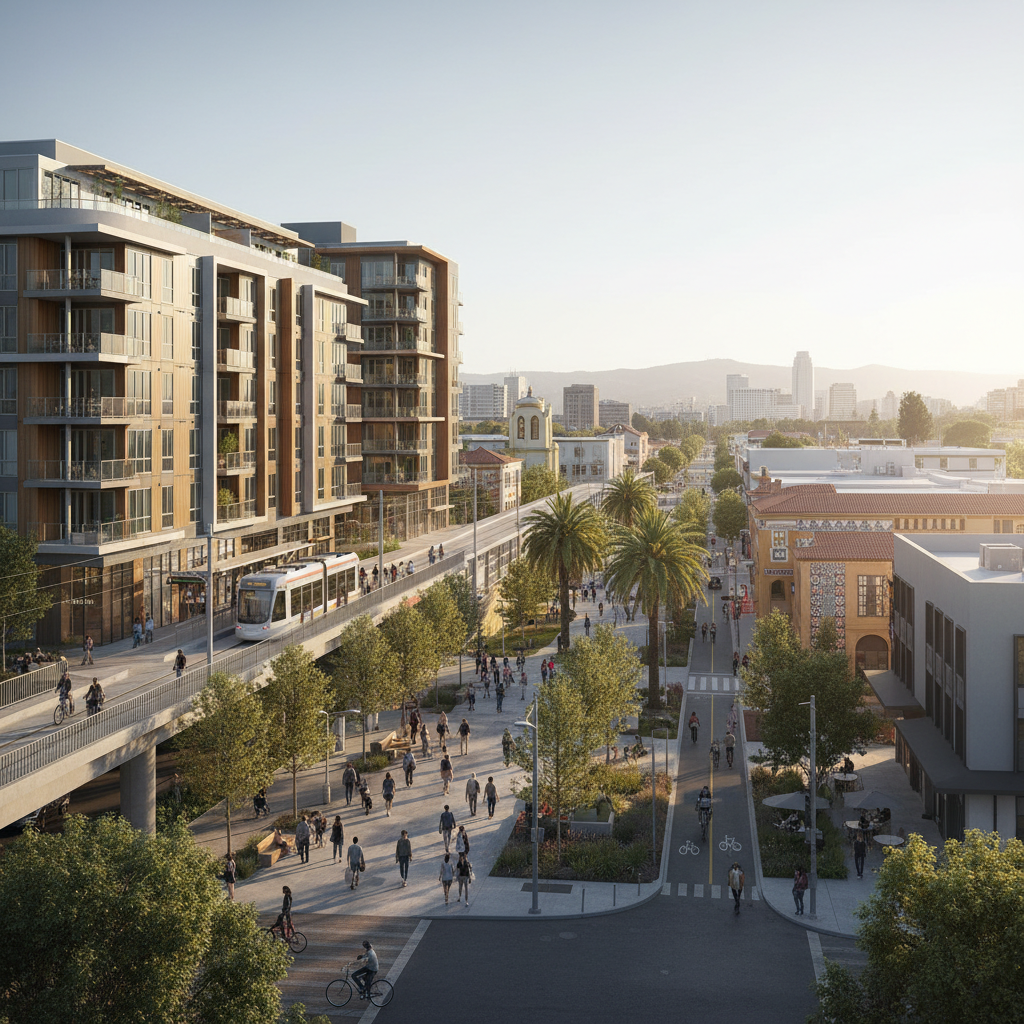
In the spring of 2026, San Jose’s Little Portugal has moved beyond its status as a historic ethnic enclave to become one of the most strategically positioned neighborhoods in Northern California. The primary driver is the nearing completion of the VTA’s BART Silicon Valley Phase II extension. With the 28th Street/Little Portugal Station now acting as a magnet for transit-oriented development (TOD), the neighborhood is capturing a new demographic of commuters who prioritize car-free access to both downtown San Francisco and the burgeoning Google Downtown West campus.
The Evolution of the East Santa Clara Street Corridor
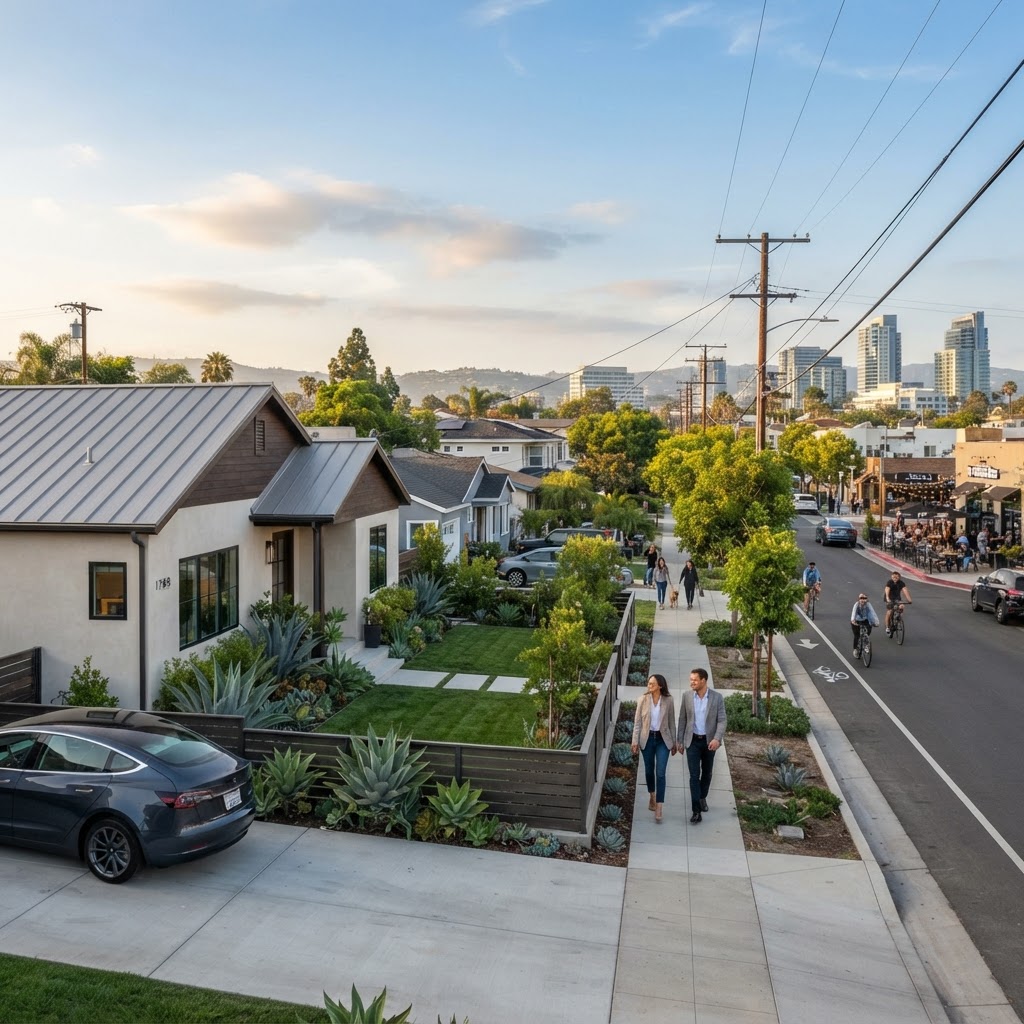
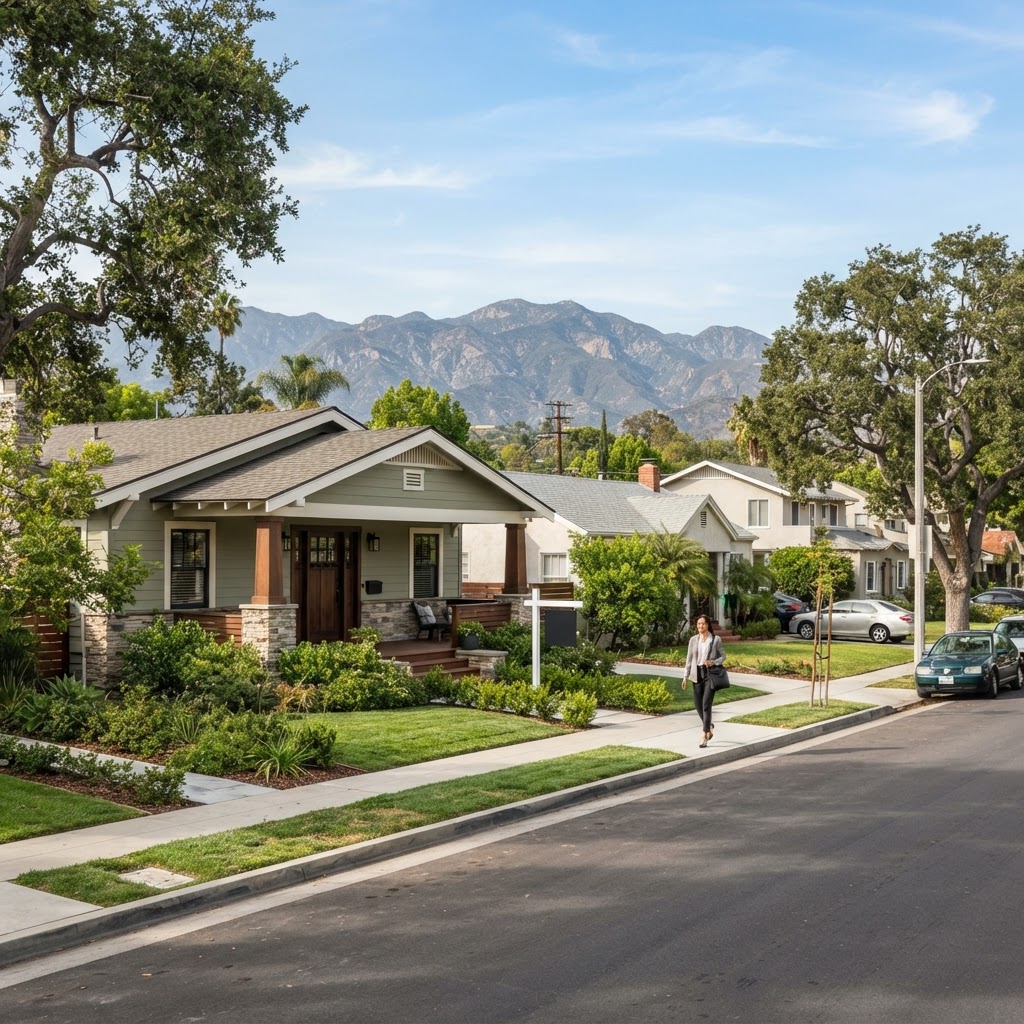
According to recent CBRE market reports, commercial lease rates along the East Santa Clara Street corridor have seen a 14% year-over-year increase as of Q1 2026. This appreciation is fueled by a mix of adaptive reuse projects and new mixed-use developments that blend ground-floor retail with high-density residential units. Unlike the glass-and-steel aesthetic of North San Jose, Little Portugal retains its architectural soul, anchored by the iconic Five Wounds Portuguese National Church. The community features a blend of historic Craftsman bungalows and new ‘missing middle’ housing—townhomes and duplexes—that cater to young professionals and growing families.
Educational Framework and Community Amenities
The neighborhood’s appeal is bolstered by its proximity to established educational institutions. San Jose High School, which offers a rigorous International Baccalaureate (IB) program, serves as a significant draw for families. Furthermore, the expansion of Anne Darling Park and the revitalization of Lower Silver Creek’s greenway provide essential recreational outlets in an increasingly dense urban environment. MLS data from early 2026 indicates that properties within a half-mile radius of these green spaces are commanding a 9% premium over comparable listings in the wider 95116 zip code.
The 2026 Investment Outlook
For investors and prospective homeowners, the window for ‘early adoption’ is rapidly closing. NAR data suggests that the median home price in the Little Portugal area has reached $1.28 million, a figure that reflects the ‘BART premium’ being priced in ahead of full revenue service. However, compared to the $1.8 million medians seen in Palo Alto or Mountain View, the neighborhood represents a relative value proposition for high-income earners seeking an urban lifestyle without the isolation of suburban Silicon Valley.
Practical Takeaways for Market Participants
- For Buyers: Prioritize properties north of Santa Clara Street; these blocks offer better walkability to the upcoming BART portal and have shown higher historical price stability.
- For Investors: Look for R2-zoned lots that allow for Accessory Dwelling Units (ADUs). The City of San Jose’s streamlined 2026 permitting process makes these ‘backyard cottages’ a high-yield strategy for long-term rentals.
- For Sellers: Highlight energy-efficient upgrades. With California’s 2026 building codes emphasizing electrification, homes with solar arrays and EV charging infrastructure are moving 15 days faster than those without.
As San Jose continues its pivot toward a more vertical, transit-dependent future, Little Portugal stands as the blueprint for how a neighborhood can modernize its infrastructure without sacrificing its cultural identity.