The Shift Toward Visual Liquidity in 2026
As of April 2026, the California real estate market has transitioned from the frenetic pace of the early 2020s into a more discerning, tech-driven era. According to the California Association of Realtors (CAR) 2026 Housing Forecast, while inventory remains below historical averages, buyer expectations for property condition and digital presentation have reached an all-time high. To maximize equity, sellers must move beyond basic repairs and embrace a strategy of 'Visual Liquidity'—ensuring a home is so aesthetically and digitally optimized that it converts a casual browser into an aggressive bidder within seconds.
1. The Digital Twin Mandate
In 2026, the first showing no longer happens at the front door; it happens on a smartphone. Data from the National Association of Realtors (NAR) indicates that 92% of buyers in the Western United States will not schedule a physical tour if the digital listing lacks immersive media. To compete in markets like the Bay Area or Greater Los Angeles, sellers should move beyond 2D photography.
- Matterport & Digital Twins: Provide a 3D walkthrough that allows buyers to measure walls and plan furniture placement before they arrive.
- AI-Enhanced Staging: If a home is vacant, use high-fidelity AI staging to show versatile uses for 'awkward' spaces, such as home offices or secondary living zones.
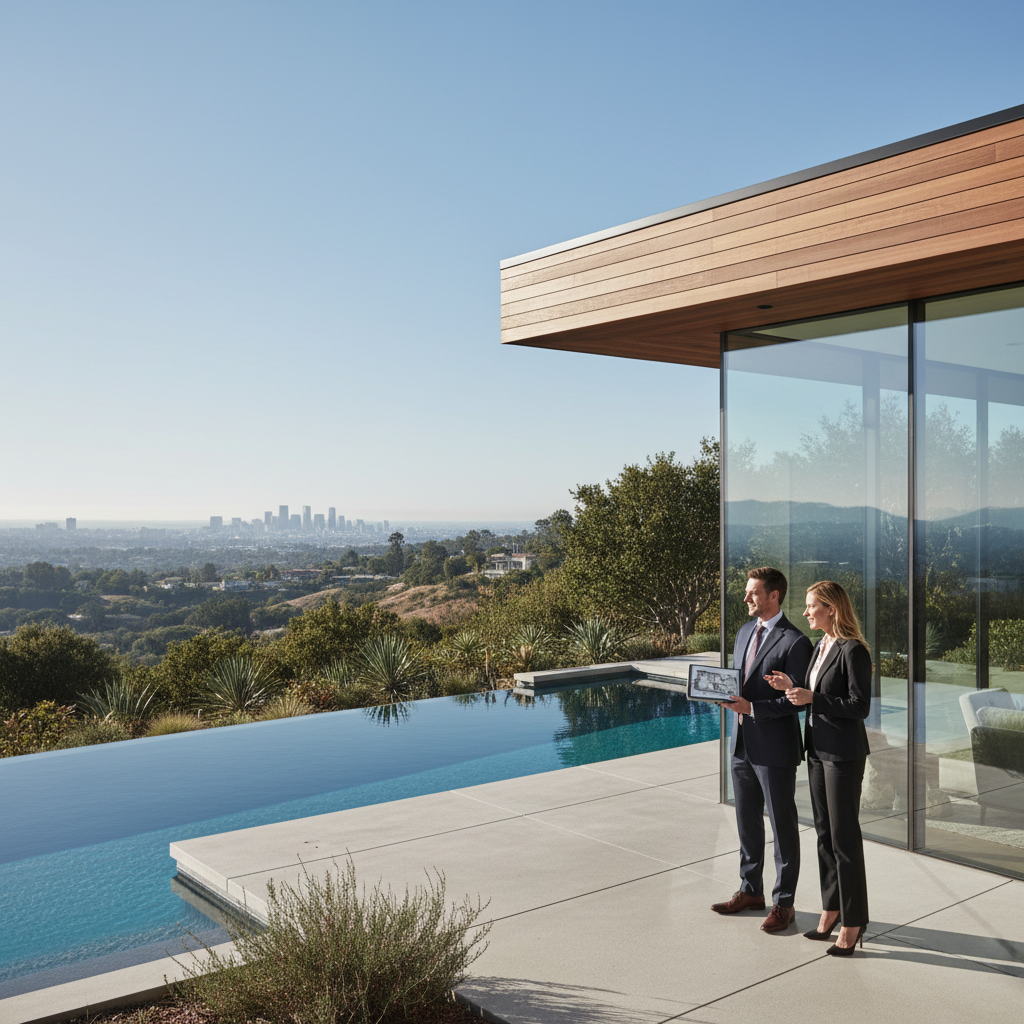
- Drone Cinematography: For California properties, the lot and neighborhood are often as valuable as the structure. Use aerial footage to highlight proximity to canyons, coasts, or urban centers.
2. The 'California Minimalist' Aesthetic
Recent buyer sentiment surveys show a distinct shift away from 'modern farmhouse' toward 'California Minimalist.' This aesthetic prioritizes biophilic design, natural light, and a seamless indoor-outdoor flow. To achieve this look, sellers should focus on three high-ROI physical preparations:
- The Paint Palette: Move away from cool grays. The 2026 trend favors warm, earthy neutrals (think 'Sandstone' or 'Soft Terracotta') that complement California’s natural sunlight.
- Integrated Lighting: Replace dated fixtures with smart-integrated LED systems. According to CBRE residential research, homes with 'smart' lighting features sell up to 4% faster in tech-centric California hubs.
- Native Landscaping: With water conservation a permanent fixture of California life, replacing thirsty lawns with drought-tolerant, aesthetically pleasing native plants can increase curb appeal value by an estimated 7% to 10%.
3. Eliminating the 'Flinch Factor'
In a higher-interest-rate environment, 2026 buyers have less appetite for 'fixer-upper' surprises. The 'Flinch Factor' occurs when a buyer sees a minor defect and assumes there are larger, hidden issues. A practical guide to neutralizing this includes:
- Pre-Listing Inspections: Do not wait for the buyer's inspector. Conduct your own home, pest, and roof inspections. By providing these reports upfront, you remove uncertainty and encourage non-contingent offers.
- The $5,000 Refresh: Focus on high-touch areas. Refreshing cabinet hardware, replacing worn door handles, and professional deep-cleaning of grout can provide a psychological 'new home' feel for a fraction of a full remodel cost.
4. Data-Backed Pricing Strategy
In 2026, 'aspirational pricing' is a dangerous game. MLS data shows that California homes priced within 2% of their fair market value are 3.5 times more likely to receive multiple offers than those priced 5% or more above market. The goal is to create a 'bidding floor' rather than a 'negotiation ceiling.' By pricing accurately and presenting flawlessly, you drive the competitive tension necessary to push the final sales price above your target.
Practical Takeaways for Sellers
- Audit your digital footprint: Ensure your listing is optimized for mobile viewing and VR-headset compatibility.
- Invest in 'Hard' Prep: Spend on pre-listing inspections and minor cosmetic repairs to eliminate buyer hesitation.
- Target the Aesthetic: Lean into the 'California Minimalist' trend to appeal to the widest pool of high-net-worth buyers.