The Convergence of Media and Mobility
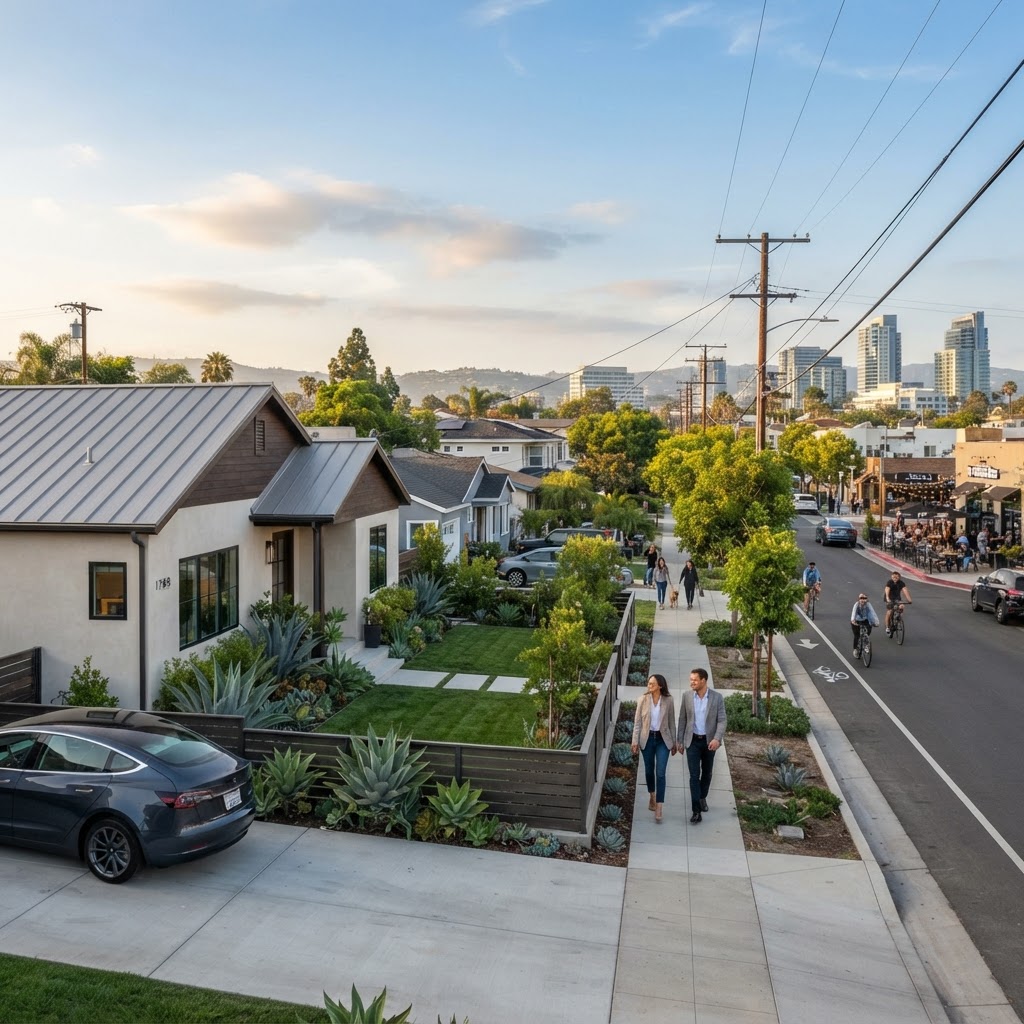
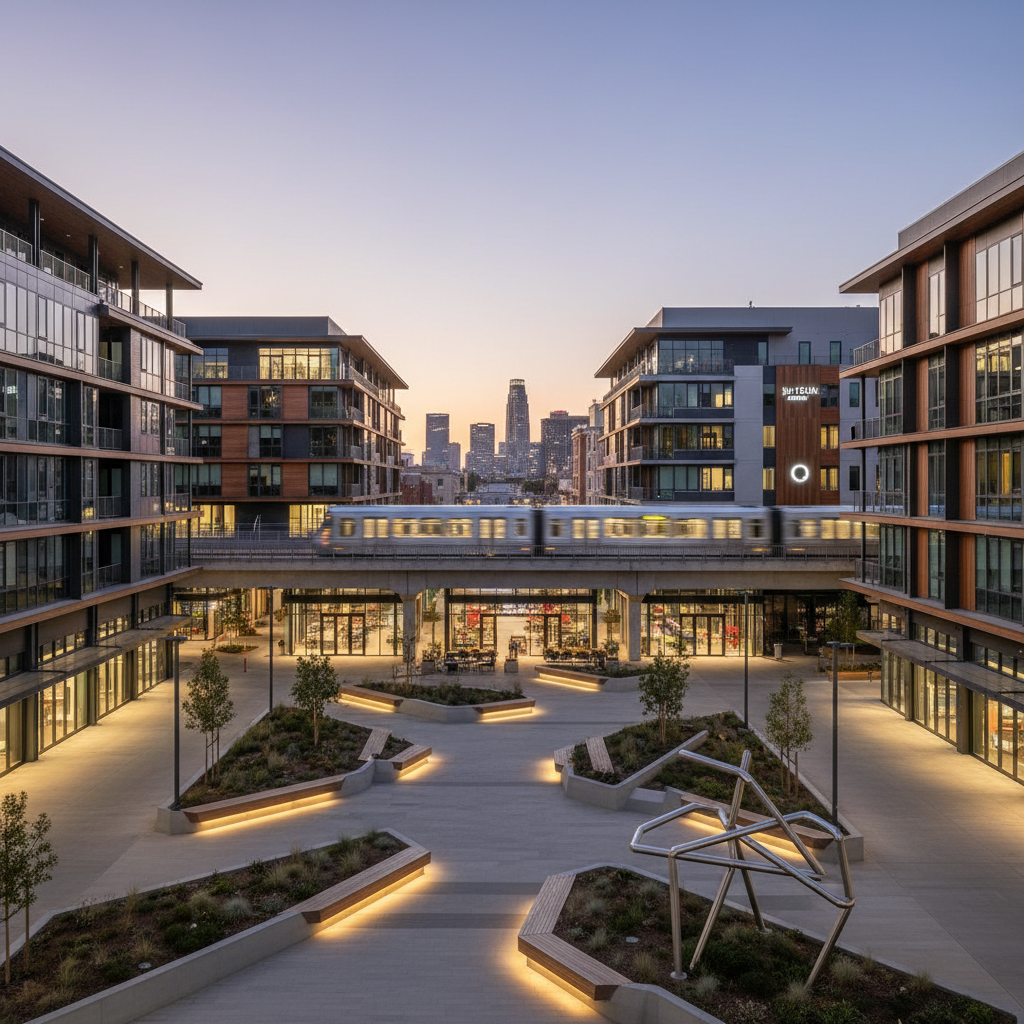
As of March 2026, Culver City has transitioned from a sleepy studio town into the definitive model for the '15-minute city' within the sprawling Los Angeles basin. While neighboring markets have fluctuated, the corridor surrounding the Ivy Station and the Arts District has maintained a vacancy rate below 4%, according to recent CBRE regional reports. The primary driver is a unique synergy: the physical consolidation of the world’s largest content producers—Apple, Amazon Studios, and Warner Bros. Discovery—within a walkable, transit-linked nucleus.
Economic Resilience: Beyond the Box Office
Data from the 2025 year-end MLS reports indicates that Culver City’s median home price has reached $1.95 million, a 6.8% year-over-year increase that outpaces the broader Los Angeles County average. This resilience is anchored by the 'tech-media hybrid' workforce. Unlike the pure-tech hubs of Silicon Valley, Culver City’s employment base is diversified across production, software engineering, and creative services. The expansion of Apple’s 550,000-square-foot campus at Venice and National Boulevards has acted as a gravitational well for high-income renters, sustaining premium price points for multi-family developments.
The Transit Dividend
The Metro E Line (Expo) remains the neighborhood's lifeblood. In 2026, the 'last-mile' connectivity has been perfected through the city’s expanded micro-mobility lanes and the 'Circulator' electric bus system. For residents, this means a car-free commute to both Santa Monica and Downtown Los Angeles is not just possible, but preferable. This transit-centricity has led to a 12% valuation premium for properties within a half-mile radius of the Culver City Station compared to those further inland.
Education and Community Amenities
For families, the Culver City Unified School District (CCUSD) continues to be a primary draw. CCUSD schools consistently rank in the top 10% statewide, with a 2025 California Department of Education report highlighting the district’s industry-integrated STEAM programs. Amenities have also evolved; the 'Step and Stairs' at Culver Studios and the redeveloped Helms Bakery District provide high-density lifestyle hubs that blend Michelin-recognized dining with public art installations, catering to a demographic that prioritizes experiential living over square footage.
Practical Takeaways for the 2026 Market
- For Investors: Focus on 'Transit-Adjacent Housing' (TAH). With the 2026 updates to California’s density bonus laws, properties zoned for ADUs or small-lot subdivisions within the Culver City footprint are yielding 15-20% higher cash-on-cash returns than traditional single-family rentals.
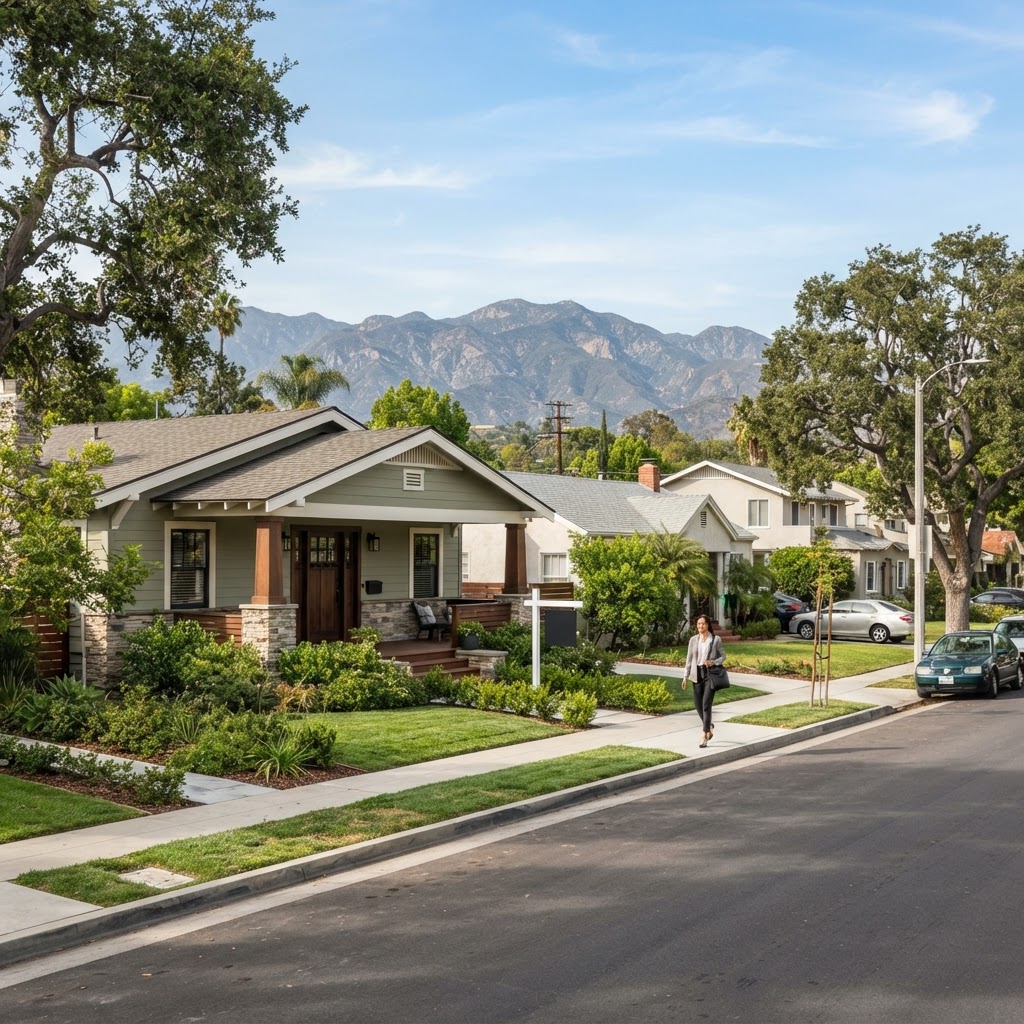
- For Buyers: Inventory remains tight (less than 1.8 months of supply). Strategies should involve looking at 'peripheral' pockets like McManus or Lucerne Higuera, which offer proximity to the Ivy Station core at a 10-15% discount.
- For Sellers: The 'Media Hub' premium is at an all-time high. Highlighting energy-efficient upgrades and proximity to the E Line is essential, as the 2026 buyer pool is increasingly focused on sustainability and reduced commute times.
Culver City’s evolution serves as a blueprint for California urbanism. By successfully integrating corporate anchors with high-quality transit and top-tier public education, it has insulated itself against the volatility seen in more traditional suburban markets.