The High-Performance Discount: Navigating 2026’s Rate Plateau
As we enter the final weekend of March 2026, the national 30-year fixed mortgage rate remains remarkably stubborn, hovering at a 6.15% average according to Freddie Mac. While previous months focused on the '6% plateau' as a psychological hurdle, savvy California buyers are finding a backdoor to lower interest costs by leveraging the state’s stringent energy standards. The Energy Efficient Mortgage (EEM) has evolved from a niche product into a primary tool for securing a competitive edge in the 2026 spring market.
Title 24 as a Financial Asset
California’s Building Energy Efficiency Standards (Title 24) are the strictest in the nation. While these mandates often increase upfront construction costs, they are now providing a tangible ROI for borrowers. According to recent data from the California Association of Realtors (CAR), homes built after 2020 are qualifying for 'Green Bond' backed mortgage pools at a rate 40% higher than in 2023. Lenders are increasingly offering a 'Green Discount'—typically 15 to 25 basis points—on properties that exceed baseline energy ratings, recognizing that lower utility overhead correlates with lower default risks.
The Math of the Energy-Adjusted Rate
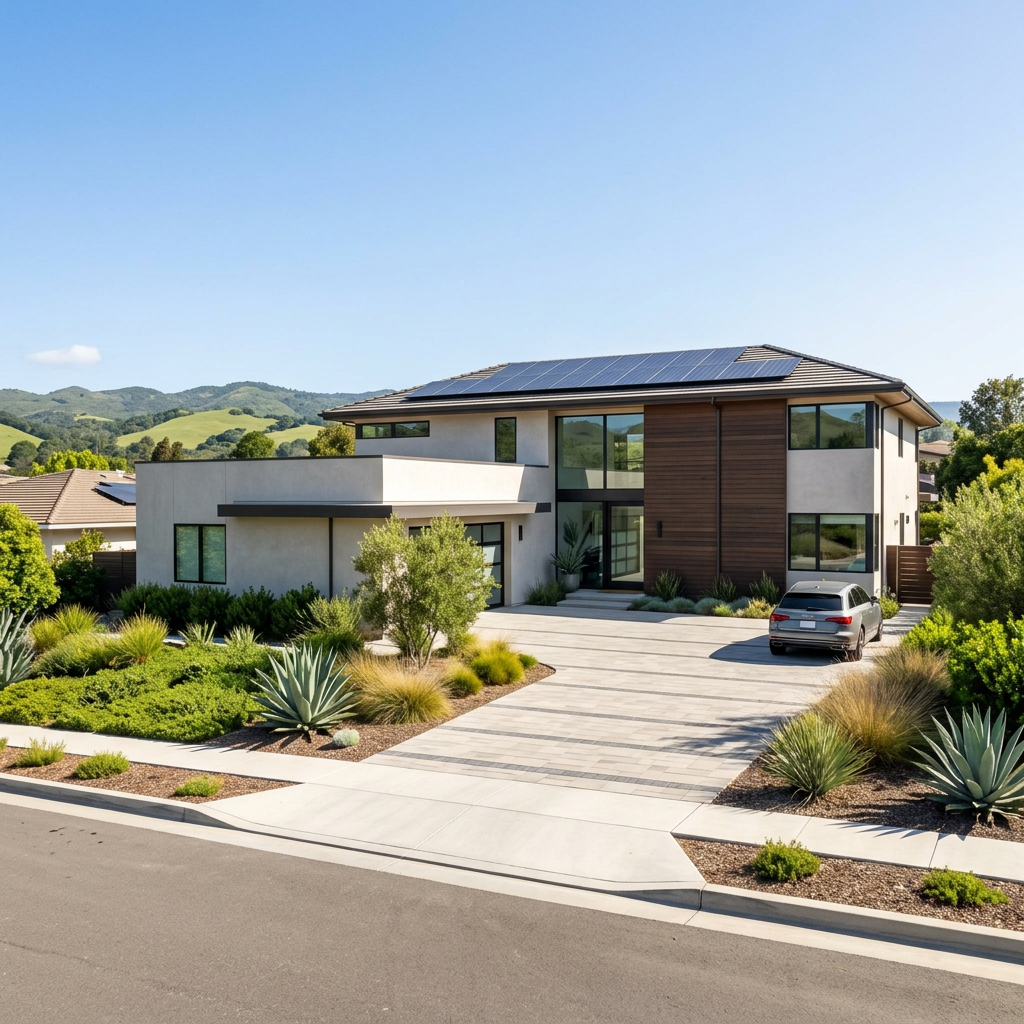
The financial benefit of an EEM in 2026 is twofold. First, Fannie Mae and Freddie Mac’s Green Rewards programs allow for a 'stretched' debt-to-income (DTI) ratio. Because a home with solar arrays and high-efficiency heat pumps significantly lowers monthly non-mortgage liabilities, lenders are permitting DTI adjustments that allow buyers to qualify for higher loan amounts despite the 6% rate environment. For a median-priced home in San Diego or the Bay Area, this can mean the difference between qualifying for a primary residence or being forced back into the rental market.
The Shift in Appraisal Value
Appraisal methodologies have finally caught up with California’s electrification mandates. Data from the National Association of Realtors (NAR) indicates that in Q1 2026, high-performance homes in the Inland Empire and Central Valley commanded a 4.2% appraisal premium specifically tied to energy-efficient features. This is critical for buyers concerned about the 'appraisal gap' in a market where inventory is rising but demand remains high. By documenting energy improvements, sellers are helping buyers secure more favorable Loan-to-Value (LTV) ratios, which in turn influences the interest rate tier offered by the lender.
Practical Takeaways for the 2026 Buyer
- Request the HERS Rating: When touring homes, ask for the Home Energy Rating System (HERS) report. A score below 50 can often be used to negotiate a rate buy-down or qualify for specific green lending tiers.
- Consult ‘Green-Certified’ Lenders: Not all loan officers are trained in EEM products. Seek out specialists who understand how to package energy audits into the underwriting process to bypass the standard 6% floor.
- Factor in the ‘Shadow Savings’: In 2026, the gap between a standard home’s utility bill and a high-performance home’s bill can exceed $300 per month in California—the equivalent of nearly a 0.5% reduction in mortgage interest when viewed as a net monthly carry cost.


